
BorderVillages – Uri Families Continue Struggle One Year After Border Shelling
BorderVillages- BorderVillages A year after intense shelling shook villages along the Line of Control in North Kashmir’s Uri sector, many affected families are still struggling to return to normal life. Although firing has stopped and calm has largely returned to the region, the damage caused to homes and livelihoods continues to affect hundreds of residents living near the border.
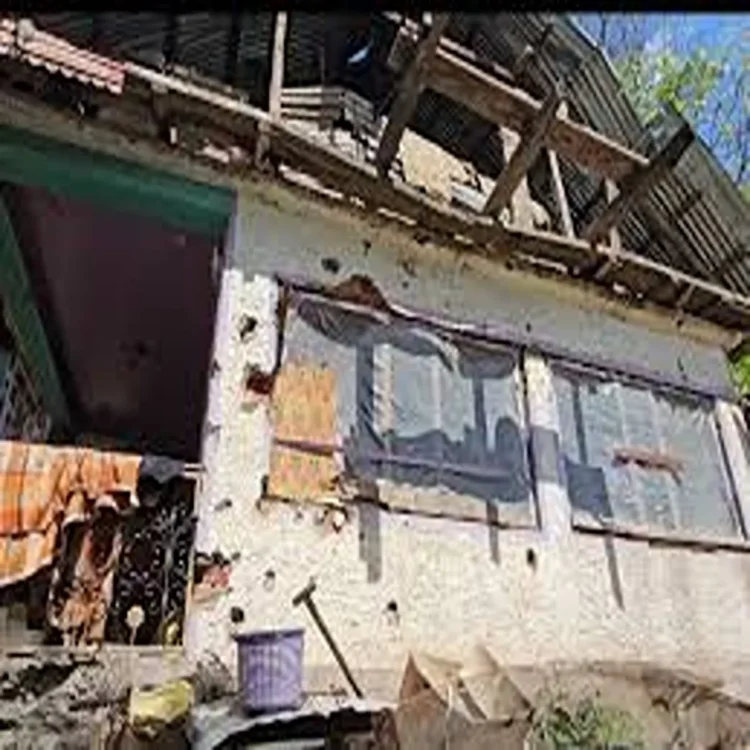
The Uri sector was among the worst-hit regions during the heavy exchange of fire that followed Operation Sindoor last year. Several villages close to the Line of Control witnessed extensive destruction, forcing families to leave their homes and seek temporary shelter. Even after months of relative peace, many residents remain unable to rebuild their damaged houses due to financial hardship.
Families Continue Living in Temporary Shelters
In Nawpora village of Salamabad, Talib Hussain Naik and his family are still trying to recover from the destruction caused during the three-day shelling. Their house, along with the home of his father Mohammad Sultan Naik, was completely destroyed after shells landed near their property.
Talib said the compensation amount provided by authorities covered only a small portion of the rebuilding work. According to him, the money was enough to prepare the base structure of the house, but further construction has stopped because the family has exhausted its savings.
He now works as a daily wage labourer to support his wife and three children. The financial burden has also disrupted his children’s education. His elder son, who was expected to graduate this year, may not be able to continue his studies, while his daughter has reportedly stopped attending school after reaching Class 11.
Civilian Losses Left Lasting Impact
Residents across Uri say the shelling changed their lives permanently. Official figures from the area showed that around 500 houses suffered damage during the firing. One civilian lost his life, while several others sustained injuries.
For many families, the emotional impact has been as difficult as the financial loss. People who once lived stable lives near the border are now dealing with uncertainty and limited resources. Several homes remain partially damaged, while others have been reduced to rubble.
Young residents of the affected villages also described the difficulties they continue to face. Samiya, a resident from one of the impacted areas, recalled how her family escaped with almost nothing during the attack.
She said the shelling destroyed their home and burned their belongings, leaving the family dependent on temporary arrangements. According to her, rebuilding their future now appears difficult because they lost nearly everything they owned during the incident.
Compensation Concerns Raised by Villagers
In Ramgeari village, Mohammad Naseem and his family are still living in government-provided accommodation in Salamabad. He explained that his house had been built with borrowed money, and the compensation received after the shelling has not been enough to begin proper reconstruction work.
Many residents in the border villages have raised similar concerns, saying the financial assistance announced after the shelling does not match the actual cost of rebuilding homes. Construction expenses, rising material prices, and loss of income have made recovery difficult for affected households.
Locals say that while security conditions have improved significantly compared to last year, economic recovery in the region remains slow. Several families continue to depend on relatives, temporary housing facilities, or limited government support while trying to restart their lives.
Peace Returns, But Recovery Remains Slow
The return of peace along the Line of Control has brought some relief to residents in Uri, but visible signs of destruction remain in many villages. Cracked walls, damaged rooftops, and unfinished houses continue to reflect the hardship experienced by border communities during the shelling.
Residents now hope for stronger rehabilitation support so they can rebuild their homes and restore stability to their families. Many believe long-term recovery will require sustained assistance, improved infrastructure, and educational support for children whose studies were disrupted by the conflict.