
Bangladesh – Awami League Raises Concerns Over Alleged Campus Crackdown on Student Supporters
Bangladesh –The Awami League has alleged that thousands of students associated with its former student wing have been denied access to education through expulsions, arrests, intimidation, and security threats following the political developments that reshaped Bangladesh in 2024.
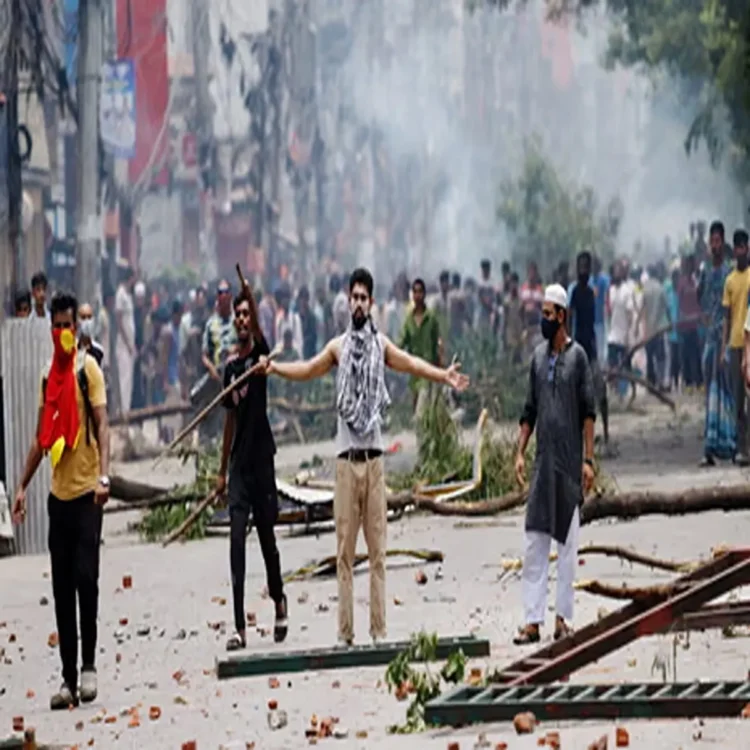
The Awami League has accused political rivals and supporters of the former interim administration led by Muhammad Yunus, along with the National Citizen Party (NCP), Jamaat-e-Islami, and the Bangladesh Nationalist Party (BNP), of creating an environment that has severely affected students linked to the Bangladesh Students League (BSL). According to the party, the situation on university campuses has deteriorated since the political transition that followed the 2024 student-led movement.
Party Claims Students Became Targets After Political Transition
In a statement, the Awami League said that after the fall of the Sheikh Hasina government, individuals connected to the Bangladesh Students League were treated as opponents of the country’s new political order. The party argued that the ban imposed on the BSL in October 2024 under anti-terrorism legislation was followed by widespread actions against students, making it difficult for many of them to continue their education.
The party maintained that university campuses became increasingly inaccessible to students who were either active members or even loosely associated with the banned organization. It described the developments as a form of collective punishment rather than legitimate disciplinary action.
Allegations of Arrests and Academic Disruptions
The Awami League cited media reports claiming that several students attempting to resume classes or appear for examinations encountered hostility on campus. Referring to one reported case, the party said a female student linked to the BSL was allegedly assaulted while trying to sit for an examination before being arrested on charges it described as questionable.
According to the party’s account, the student remained in custody for 27 days and has not returned to her studies since the incident. It said her academic future continues to remain uncertain, adding that the case reflects broader concerns rather than an isolated event.
Universities Named in Alleged Disciplinary Measures
The Awami League also referred to reports involving several public universities. It claimed that Dhaka University issued show-cause notices to more than 400 students, many of whom were allegedly connected to the BSL. The party further alleged that Jahangirnagar University expelled more than 100 students, while some reports placed the number significantly higher.
It also stated that disciplinary measures, including expulsions, suspensions, and restrictions on campus access, were reported at institutions such as Shahjalal University of Science and Technology and the University of Chittagong. According to the party, some students also faced delays in receiving academic certificates or had official documents withheld.
Concerns Over Campus Safety and Institutional Response
The Awami League claimed that many affected students had no formal disciplinary findings against them but nevertheless felt compelled to stay away from their universities due to security concerns. It alleged that administrators at several institutions were unable or unwilling to guarantee students’ safety when they requested permission to attend classes or examinations.
The party further accused university authorities of allowing pressure from rival student groups to influence campus decisions. It alleged that students identified as BSL supporters were unofficially excluded from classrooms and examination halls despite the absence of court convictions or completed disciplinary proceedings.
Political Allegations Continue to Shape Debate
In its statement, the Awami League argued that the ongoing situation has deprived thousands of young people of educational opportunities based on perceived political affiliation. The party alleged that threats of violence, police action, and intimidation have prevented many students from returning to academic life.
The allegations have added to the continuing political debate surrounding the aftermath of Bangladesh’s 2024 political transition. At the time of the statement, the claims represented the position of the Awami League, while responses from the parties named in the allegations were not included.