
AviationSafety – Air India Express Flight Suffers Runway Incident in Muscat
AviationSafety – An Air India Express flight bound for Kannur narrowly avoided a serious accident after the aircraft struck runway edge lights during take-off preparations at Muscat International Airport earlier this month.
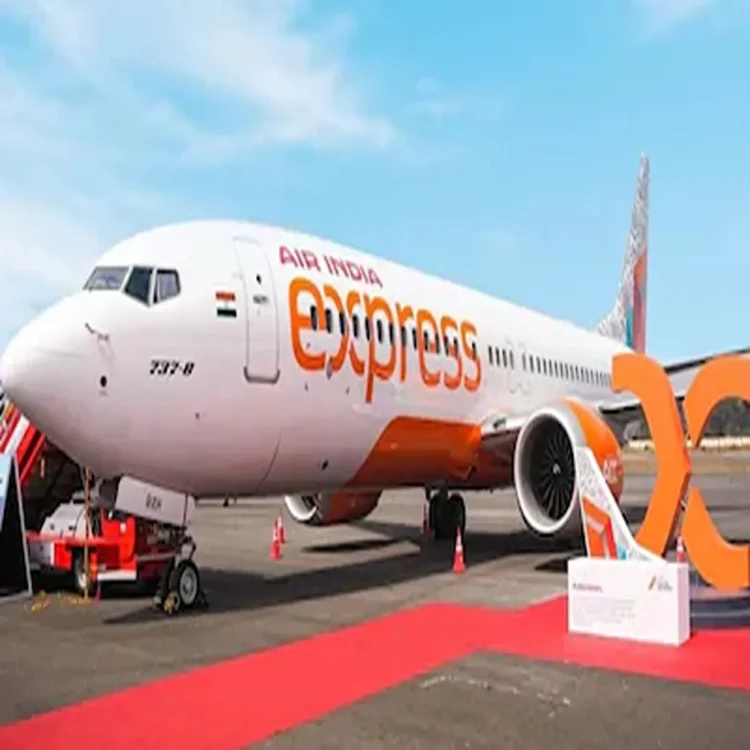
Take-Off Aborted After Aircraft Veers Off Alignment
The incident involved Air India Express flight IX-712, operated by a Boeing 737 NG aircraft with seating capacity for 189 passengers. According to information that has now emerged, the flight was preparing to depart from Muscat for Kannur on the night of May 15 when the crew discontinued take-off after detecting an abnormal impact.
Sources familiar with the matter stated that the aircraft was not positioned correctly along the runway centreline while lining up for departure. During acceleration, the plane reportedly moved too close to the right side of the runway and collided with several embedded edge lights. The impact caused substantial damage to the aircraft, forcing pilots to immediately halt the take-off procedure.
Passengers Safely Evacuated From Aircraft
Despite the seriousness of the event, no injuries were reported among passengers or crew members. Following the aborted take-off, all passengers were safely escorted out of the aircraft on the runway.
Air India Express later arranged an alternative aircraft to transport affected travellers to Kannur. Some passengers reportedly experienced delays exceeding 12 hours before finally reaching their destination.
The damaged aircraft has remained parked at Muscat airport since the occurrence, with reports indicating that the plane sustained extensive structural and mechanical damage.
Investigation Underway by Oman Authorities
Aviation authorities in Oman have initiated a formal investigation into the incident. The Oman Transport Safety Bureau is currently examining operational details, crew actions, and technical factors linked to the event.
India’s aviation regulator, the Directorate General of Civil Aviation, was also informed shortly after the occurrence. Officials are expected to review investigation findings once the inquiry progresses further.
A report published by aviation monitoring platform The Aviation Herald provided additional technical details regarding the incident. According to the report, the aircraft entered Runway 26L through taxiway E7 and aligned near the runway shoulder instead of the designated centre position. During the attempted take-off roll, the aircraft reportedly ran over multiple runway edge lights.
Technical Issues Reported After Impact
The same report stated that pilots aborted the take-off after hearing a loud noise inside the cockpit, followed by warning indications from onboard systems. The aircraft subsequently experienced a hydraulic system leak along with a flat tyre.
Crew members then carried out emergency procedures before passengers and staff safely disembarked from the aircraft on the runway.
The investigation is expected to determine whether operational errors, visibility concerns, or other contributing factors played a role in the runway alignment issue.
Airline Confirms Cooperation With Investigators
Air India Express acknowledged the incident and confirmed that it is cooperating with authorities in Oman. In an official statement, the airline said it is actively assisting the Oman Transport Safety Bureau with the ongoing investigation related to the May 15 occurrence at Muscat Airport.
The airline also stated that alternate travel arrangements and accommodation support were provided to passengers wherever necessary to minimise disruption to their journeys.
However, Air India Express has not publicly disclosed the full extent of the damage sustained by the aircraft. Aviation experts note that incidents involving runway edge impacts can require detailed structural inspections before an aircraft is cleared for future operations.
The event has once again highlighted the importance of strict runway alignment procedures and rapid emergency response measures in commercial aviation operations.