
AirPollution – Delhi Unveils Early Winter Action Plan to Tackle Seasonal Smog
AirPollution – Delhi has taken a significant step toward addressing seasonal pollution by introducing a comprehensive winter air quality management framework months ahead of the expected deterioration in atmospheric conditions. The newly announced strategy focuses on preventive action, aiming to reduce emissions and improve preparedness before the onset of winter.
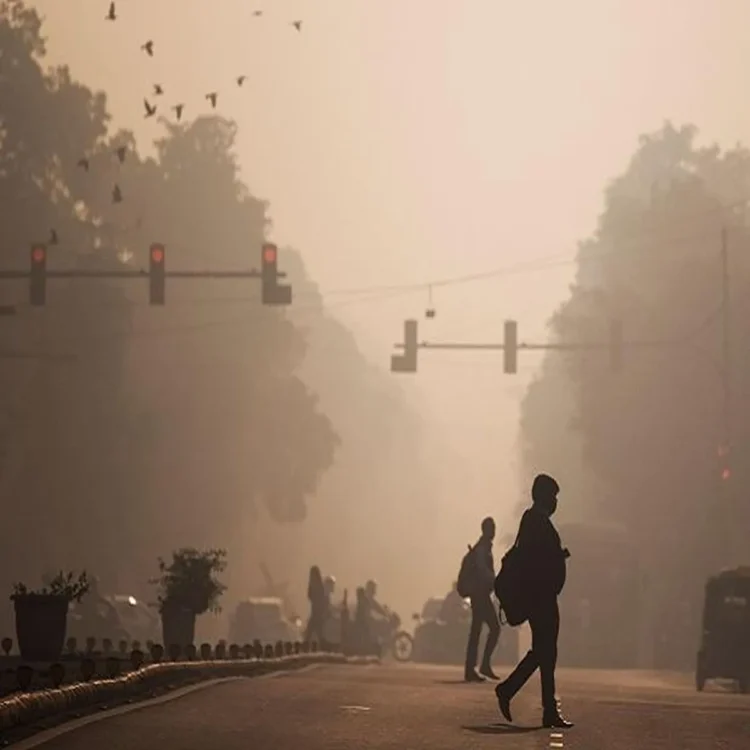
Government Announces Advance Pollution-Control Measures
The Delhi government on Friday officially notified a detailed winter air quality framework designed to limit pollution levels during the colder months. The initiative introduces a range of measures targeting vehicle emissions, traffic congestion, construction dust, and waste burning, which are among the key contributors to poor air quality in the national capital during winter.
Officials said the objective is to implement preventive actions well before pollution levels begin to rise, allowing residents and businesses adequate time to adjust to the upcoming regulations.
Fuel Purchase Linked to Valid Pollution Certificates
One of the major provisions under the framework makes it mandatory for vehicle owners to possess a valid Pollution Under Control (PUC) certificate in order to purchase fuel from petrol pumps across Delhi.
Authorities stated that this move is intended to ensure compliance with emission norms and encourage vehicle owners to maintain their automobiles in accordance with environmental standards. However, the government has not yet specified how long this fuel restriction policy will remain operational after implementation.
Entry Restrictions Planned for Older Commercial Vehicles
Delhi Chief Minister Rekha Gupta announced that commercial vehicles registered outside the capital and not meeting BS-VI emission standards will not be permitted to enter the city during the peak winter period.
According to the plan, the restriction will remain effective from November 1 this year until January 31, 2027. The government believes the measure will help reduce vehicular pollution originating from older diesel-powered transport vehicles entering Delhi from neighboring regions.
Certain categories of vehicles will remain exempt from the restriction. These include electric vehicles, CNG-powered vehicles, emergency response vehicles, and those operating for official government purposes.
Higher Parking Charges to Reduce Private Vehicle Use
To discourage unnecessary use of private vehicles during the winter months, the government has also decided to increase parking fees at authorized parking facilities throughout the city.
Under the framework, parking charges will be doubled from November 1 and will continue at the revised rates until February 28, 2027. Officials expect the move to encourage greater use of public transportation while also helping ease road congestion during periods when pollution levels are typically at their highest.
Additional Steps Focus on Dust and Waste Management
The winter action plan goes beyond vehicle-related measures and includes several interventions aimed at controlling other pollution sources.
Authorities have proposed stricter monitoring of construction activities to reduce dust emissions, which significantly affect air quality. The framework also calls for a complete prohibition on the open burning of garbage and biomass materials, practices that frequently contribute to smog formation during winter.
In addition, the government plans to implement staggered office timings and strengthen pollution-control efforts in identified hotspot areas where air quality concerns are more severe.
Early Notification Intended to Avoid Disruptions
Chief Minister Rekha Gupta said the government deliberately announced the measures several months in advance so that transport operators, businesses, and citizens could prepare without facing sudden disruptions.
She noted that proactive planning remains essential for managing the annual rise in pollution levels that accompanies Delhi’s winter season. The framework forms part of the administration’s broader strategy to improve air quality and reduce the impact of seasonal smog on public health and daily life.