
Agriculture – El Niño Concerns Cast Shadow Over Rural Demand Outlook
Agriculture – India may face challenges in consumer spending patterns during the current year as weather-related disruptions could place additional pressure on agricultural earnings, Union Finance Minister Nirmala Sitharaman indicated on Monday. Speaking about emerging economic risks, she pointed to the expected impact of El Niño conditions, which could affect farm productivity and reduce income levels across rural regions.
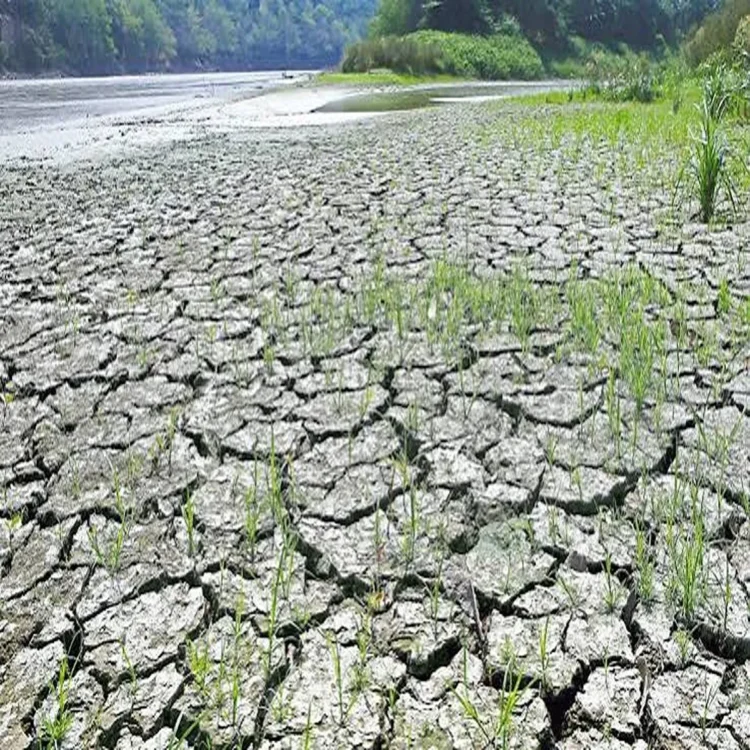
Weather Conditions Raise Economic Concerns
The Finance Minister highlighted that changing climatic conditions remain a significant concern for policymakers. According to her assessment, weaker agricultural performance resulting from El Niño could influence household spending, particularly in rural areas where farming remains a primary source of income.
She noted that lower crop output and reduced farm earnings may lead to cautious spending behavior among consumers. Since rural demand contributes significantly to the broader economy, any pressure on agricultural income could have wider implications for consumption trends in the coming months.
Food Stocks Available Despite Agricultural Risks
Addressing concerns about food availability, Sitharaman reassured that the country currently maintains sufficient food reserves to manage supply requirements over the next year. While food security remains protected through existing stockpiles, she acknowledged that the financial strain on farmers could become a major issue if adverse weather conditions persist.
The minister explained that agricultural communities are likely to face direct consequences from lower productivity levels, making income stability a critical area of concern. Policymakers, she suggested, are closely monitoring developments to minimize potential disruptions.
Fertiliser Supply Challenges Add Pressure
Apart from weather-related uncertainties, Sitharaman also drew attention to ongoing challenges in the global fertiliser market. She said geopolitical tensions have complicated international supply chains, making it more difficult for countries to secure adequate fertiliser supplies.
According to the minister, several nations that traditionally exported fertilisers have shifted their focus toward strengthening domestic inventories. As a result, global availability has become increasingly uneven, creating additional pressure on agricultural sectors that depend on imported supplies.
Global Market Shifts Affect Availability
The Finance Minister observed that some long-standing suppliers have reduced or halted participation in international markets to prioritize local demand. This shift has contributed to concerns about supply shortages and increased uncertainty surrounding agricultural inputs.
She explained that the withdrawal of key suppliers has altered market dynamics, forcing importing countries to plan more carefully and secure resources well in advance. Such developments have intensified concerns over the availability of critical farming materials during important cultivation periods.
Budget Planning Focuses on Future Preparedness
Reflecting on the government’s budgeting approach, Sitharaman said planning for upcoming agricultural seasons requires careful assessment of global developments. She emphasized that market volatility and supply disruptions make advance preparation essential.
The government, she indicated, continues to evaluate potential risks related to weather conditions, food supplies, and agricultural inputs while ensuring that necessary resources remain available. Maintaining stability in both food security and rural economic activity remains an important priority amid evolving global and environmental challenges.