
UNSecretaryGeneral – Maria Espinosa Joins Expanding Race for Top UN Role
UNSecretaryGeneral – Former United Nations General Assembly President Maria Fernanda Espinosa Garces has officially entered the contest to become the next Secretary-General of the United Nations, adding fresh momentum to a race already drawing international attention. Her nomination was confirmed on Tuesday by La Neice Collins, spokesperson for the President of the General Assembly.
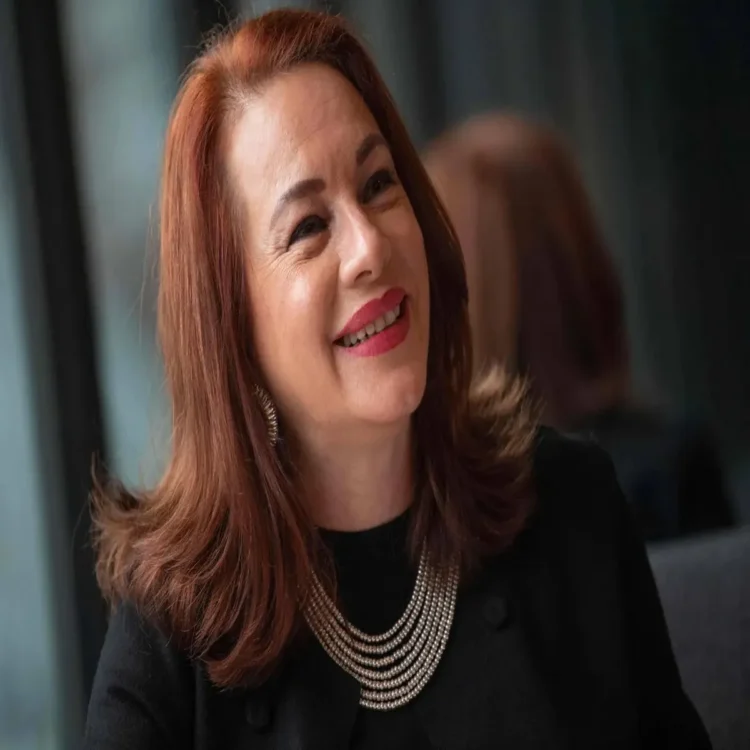
Espinosa, a senior diplomat from Ecuador, received backing from the Caribbean nation of Antigua and Barbuda. She is now the fifth official contender seeking to replace current UN Secretary-General Antonio Guterres, whose second term is scheduled to conclude later this year.
Growing Number of Women Candidates
Espinosa’s entry further strengthens the presence of women candidates in the ongoing selection process. She joins two other female contenders from Latin America, reflecting growing international pressure for the UN to appoint its first woman Secretary-General in the organisation’s 80-year history.
The former Ecuadorian diplomat served as President of the UN General Assembly during the 2018-2019 session. During her tenure, she focused on multilateral cooperation, sustainable development, and strengthening dialogue among member nations.
Before assuming that role, Espinosa travelled to India for discussions related to the country’s engagement with the United Nations and the functioning of the General Assembly. Her diplomatic career also includes service as Ecuador’s foreign minister and defence minister under governments led by the PAIS Alliance.
Ecuador Yet to Officially Support Nomination
Despite her international profile, Ecuador’s current administration has not formally endorsed her candidacy. The country is now governed by the National Democratic Action political leadership, which has remained silent regarding her nomination.
This is not the first time Espinosa has pursued a high-level international leadership role. In 2020, Antigua and Barbuda, along with Saint Vincent and the Grenadines, supported her bid for Secretary-General of the Organisation of American States. However, she was unsuccessful in that election.
Other Candidates in the Race
The contest for the UN’s highest office now includes several experienced international figures. Among them is Michelle Bachelet Jeria, former UN High Commissioner for Human Rights and former President of Chile, whose candidacy has received support from Chile, Brazil, and Mexico.
Another major contender is Rebeca Grynspan Mayufis of Costa Rica, currently serving as Secretary-General of the United Nations Conference on Trade and Development. Argentina has nominated Rafael Mariano Grossi, Director-General of the International Atomic Energy Agency, while former Senegalese President Macky Sall has entered the race with support from Burundi despite lacking endorsement from his own country.
Earlier, Virginia Gamba of Argentina, formerly the UN Secretary-General’s Special Representative for Children and Armed Conflict, had also been nominated by the Maldives. Her nomination was later withdrawn.
Pressure Builds for Historic Appointment
The upcoming election has reignited debate over gender representation within the United Nations leadership structure. Since the organisation was founded in 1945, every Secretary-General has been a man. Several member states and civil society organisations have publicly advocated for the appointment of a woman to the position this time.
An official General Assembly resolution linked to the selection process highlighted the importance of “equal and fair distribution” based on gender as a desirable objective. In addition, the joint call issued last year by the presidents of both the General Assembly and the Security Council specifically encouraged member states to nominate women candidates.
Selection Process Remains Highly Competitive
Candidates seeking the role have been participating in extensive public discussions and questioning sessions involving diplomats and representatives from civil society groups. According to Collins, Espinosa will also undergo a similar three-hour informal hearing in the coming period.
Although the UN General Assembly formally appoints the Secretary-General through a majority vote, the Security Council remains the decisive body in practice. Under the UN Charter, the appointment can only proceed after a recommendation from the Council, where the five permanent members hold veto authority.
This structure means that despite broader Assembly support, any candidate must ultimately secure backing within the Security Council to reach the organisation’s top diplomatic office.