
Trade – South Korea Expands Energy and Supply Chain Ties in Asia
Trade – South Korean President Lee Jae Myung has concluded a six-day diplomatic visit to India and Vietnam, focusing on strengthening partnerships in energy security and supply chain resilience. The trip comes at a time when global uncertainties, particularly linked to tensions in the Middle East, are affecting energy markets and trade stability.
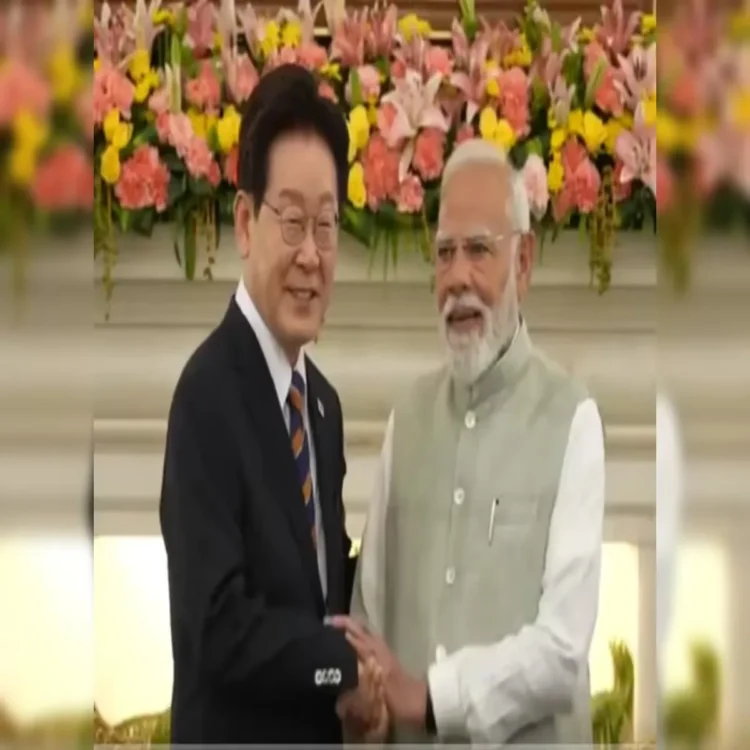
Focus on Strategic Partnerships in India
During his visit to New Delhi, President Lee held detailed discussions with Indian Prime Minister Narendra Modi. The leaders explored ways to deepen cooperation across several key sectors, including critical minerals, renewable energy, artificial intelligence, financial services, and shipbuilding.
Both countries emphasized the importance of expanding economic ties to meet future challenges. They also agreed to fast-track negotiations to upgrade their existing Comprehensive Economic Partnership Agreement (CEPA). Officials from both sides believe that an enhanced agreement could significantly boost trade volumes, with a shared target of reaching 50 billion US dollars by 2030, doubling the current level.
The visit also saw the signing of 15 memorandums of understanding aimed at promoting collaboration across industries. India’s growing economic influence, backed by its large population and expanding industrial base, makes it a key partner for South Korea in the region.
Shipbuilding Cooperation Gains Attention
One of the notable outcomes of the India visit was progress in shipbuilding cooperation. President Lee expressed optimism following an agreement that lays the groundwork for developing a joint shipyard project in India. This initiative is expected to combine South Korea’s advanced shipbuilding expertise with India’s manufacturing capabilities, potentially opening new opportunities for both nations.
Strengthening Economic Links with Vietnam
Following his engagements in India, President Lee traveled to Hanoi, where he met Vietnam’s top leader, To Lam. The discussions focused on enhancing cooperation in areas such as infrastructure development, energy projects, and advanced technology.
Both sides agreed to work more closely on securing supply chains, particularly for essential raw materials and industrial inputs. This cooperation is seen as crucial in maintaining stability in production and trade, especially in light of ongoing global disruptions.
Addressing Energy Security Concerns
A key theme throughout the visit was energy security. President Lee highlighted the importance of stable access to energy resources and raw materials, noting that recent developments in the Middle East have created uncertainties in global supply.
He emphasized that stronger bilateral partnerships with countries like India and Vietnam would help ensure consistent energy supplies and reduce vulnerability to external shocks. These efforts align with South Korea’s broader strategy of diversifying its energy sources and strengthening regional cooperation.
Shared Vision for Future Growth
Both India and Vietnam share South Korea’s interest in building resilient economies that can withstand global uncertainties. By expanding collaboration in technology, infrastructure, and trade, the three countries aim to create a more stable and interconnected economic environment.
The agreements and discussions during President Lee’s visit reflect a long-term approach to partnership, focusing not only on immediate economic gains but also on sustainable growth and mutual development.
As global supply chains continue to evolve, South Korea’s outreach to key Asian partners highlights the importance of regional cooperation in maintaining economic stability and addressing shared challenges.