
StraitOfHormuz – Dispute Grows Over US Strike on Boats Near Key Waterway
StraitOfHormuz – A sharp disagreement has emerged between Iran and the United States over a recent military incident in the strategically vital Strait of Hormuz, with both sides offering contrasting accounts of what transpired.
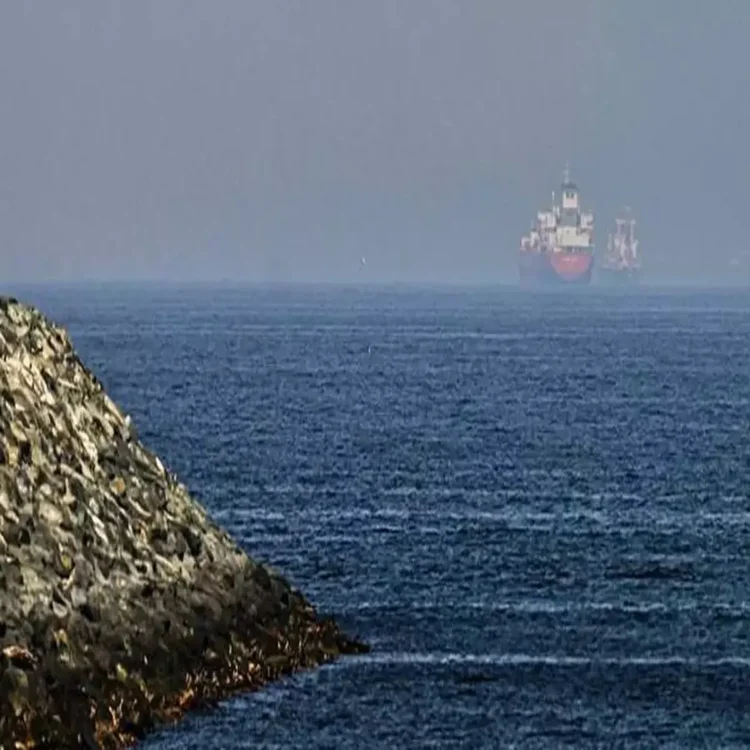
Iran Says Civilian Boats Were Targeted
Iranian state media has rejected Washington’s version of events, insisting that vessels hit during the encounter were not linked to the country’s military. According to reports from Tehran, the boats involved were civilian in nature, carrying passengers and commercial goods rather than belonging to the Islamic Revolutionary Guard Corps.
Authorities in Iran claim that the incident led to the deaths of five people. Officials argue that the targeted vessels were routine cargo boats traveling between the Omani port of Khasab and Iran’s coastline, raising concerns about the use of force in a busy commercial route.
Investigation Points to Civilian Casualties
A military official speaking to Tasnim News Agency stated that an internal investigation had been conducted after reports of the strike surfaced. The findings, according to the official, indicated that US forces had fired on two small cargo vessels transporting civilians.
The official further criticised the American response, describing it as excessive and driven by heightened sensitivity toward Iran’s naval activities. The remarks suggested that US forces may have acted hastily due to longstanding concerns about Iran’s use of fast boats in the region.
US Calls Action Defensive Measure
In contrast, the United States has defended the operation as necessary for maintaining maritime security. According to United States Central Command, the vessels were identified as potential threats to commercial shipping in the area.
American officials said that Sea Hawk and Apache helicopters were deployed to engage what they described as “Iranian small boats” attempting to interfere with shipping lanes. The operation was framed as part of ongoing efforts to ensure safe passage through one of the world’s most critical energy transit routes.
Strategic Importance of the Waterway
The Strait of Hormuz remains a focal point of geopolitical tension, as a significant portion of the world’s oil supply passes through its narrow waters. Any disruption in the region can have far-reaching consequences for global trade and energy markets.
Recent incidents have further heightened concerns about stability in West Asia, with both military activity and political rhetoric intensifying around the waterway.
New Mission to Secure Shipping Routes
The situation comes as US authorities prepare to expand their presence in the region. United States Central Command recently announced plans to support a new initiative aimed at safeguarding maritime navigation.
The mission, known as Project Freedom, is scheduled to begin operations in early May. It has been authorised under the direction of Donald Trump and is intended to ensure that merchant vessels can transit the strait without obstruction.
Officials in Washington say the initiative will focus on deterring threats and maintaining open shipping lanes, a move that underscores the importance of the region to international commerce.
Rising Tensions and Global Implications
The conflicting narratives surrounding the latest incident highlight the fragile security environment in the region. While the United States maintains that its actions were defensive, Iran’s claims of civilian casualties add a layer of complexity that could further strain relations.
As both sides stand by their accounts, the episode underscores the challenges of managing security in one of the world’s most sensitive maritime corridors. With global trade heavily dependent on uninterrupted access to the strait, the stakes remain high for all involved.