
Startup – South Korea Plans New Regional Hubs to Boost Innovation
Startup – South Korea is preparing a nationwide plan to strengthen its startup ecosystem by developing key cities outside the capital region, aiming to create jobs and support balanced economic growth.
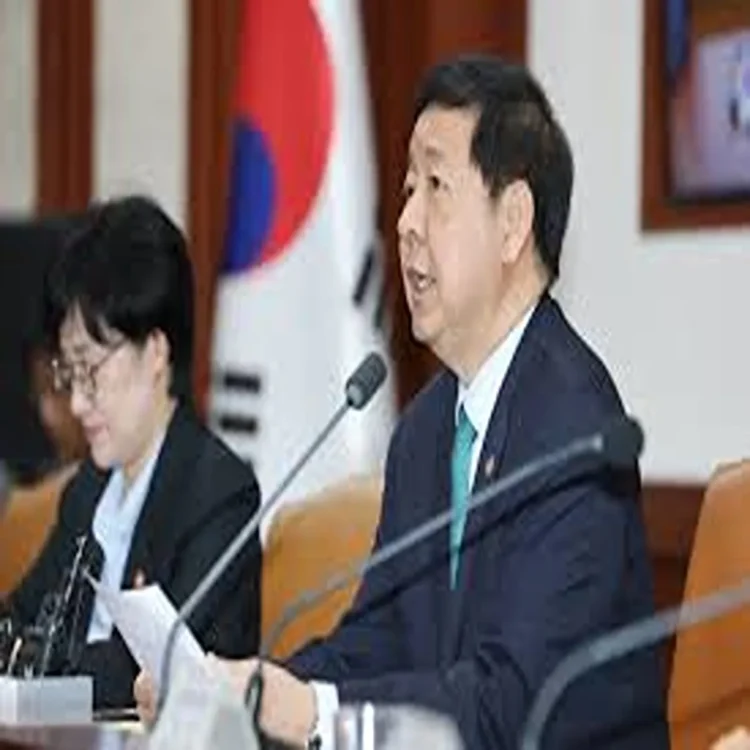
South Korea’s government has unveiled a plan to establish 10 major startup hubs across the country by next year, seeking to reduce regional disparities and open up more employment opportunities for young people. The initiative, led by the finance ministry, is part of a broader strategy to decentralize innovation and encourage entrepreneurship beyond the Seoul metropolitan area.
Initial Cities Selected for Startup Expansion
The government will begin by identifying four cities this year—Daejeon, Daegu, Gwangju, and Ulsan—as primary centers for startup development. These locations were chosen due to their existing concentration of scientific research institutions and technological infrastructure. Authorities plan to add six more cities in 2025, focusing on areas outside Seoul that show strong potential for startup growth.
Officials say this step is crucial in addressing the imbalance caused by the concentration of business activity in Seoul, which has led to population decline and reduced economic activity in other regions.
Addressing Regional Imbalance in Innovation
Currently, South Korea’s startup ecosystem is heavily centered in the capital, leaving other parts of the country with fewer opportunities. By expanding infrastructure and support to other cities, the government hopes to stimulate local economies and prevent further migration to Seoul.
Despite its strong investment in research and development and a high level of patent activity, South Korea ranks 20th globally in startup competitiveness. Only three of its cities appear in the top 500 global startup ecosystems, highlighting the need for broader geographic development.
Global Comparison Highlights Opportunity
Data from international startup research platforms show that other major economies have a far wider distribution of startup hubs. The United States leads with over 130 cities in the global rankings, while countries such as the United Kingdom, Germany, China, and Japan also have significantly more cities represented.
South Korea’s plan aims to close this gap by nurturing at least five cities that can break into the global top 100 startup rankings by 2030.
Focus on Specialized Industry Clusters
Each selected city will be encouraged to build expertise in specific industries. For example, Daegu is expected to focus on robotics, Gwangju on artificial intelligence and smart energy, and Ulsan on future mobility technologies.
The government also plans to position these cities as training and education hubs for aspiring entrepreneurs, helping young innovators gain the skills needed to build and scale their businesses.
Comprehensive Support Measures for Startups
To ensure the success of the initiative, authorities will introduce a wide range of support programs. These will include increased funding for research and development, improved access to investment, and stronger networking opportunities for startups.
Regulatory processes will also be simplified to make it easier for new businesses to launch and grow. Officials emphasized that reducing administrative barriers is key to fostering a more dynamic startup environment.
Boosting Rural Economies and Local Industries
Beyond urban centers, the plan also includes measures to support rural regions. These areas will be encouraged to develop businesses based on local cultural and tourism resources, helping to diversify economic activity and generate additional income streams.
Companies located outside the Seoul metropolitan area may also receive advantages when competing for government procurement projects, providing further incentives for regional business development.
Broader Economic Strategy and Future Plans
Finance Minister Koo Yun-cheol described the initiative as part of a larger effort to strengthen the country’s economic foundation during a period of technological opportunity. He pointed to the ongoing semiconductor boom as a chance to reinforce South Korea’s position as a global economic leader.
The government is also preparing additional measures to support tourism and promote environmentally sustainable consumption, alongside programs designed to offer more work experience opportunities for young people. These steps aim to address concerns about slowing consumer confidence while building a more resilient economy.