
Soybean Research – US and India Launch Joint AI Farming Project for Better Crop Breeding
Soybean Research – A new collaborative research initiative between the United States and India is set to advance soybean breeding through artificial intelligence, smart sensing technologies, and next-generation wireless communication.
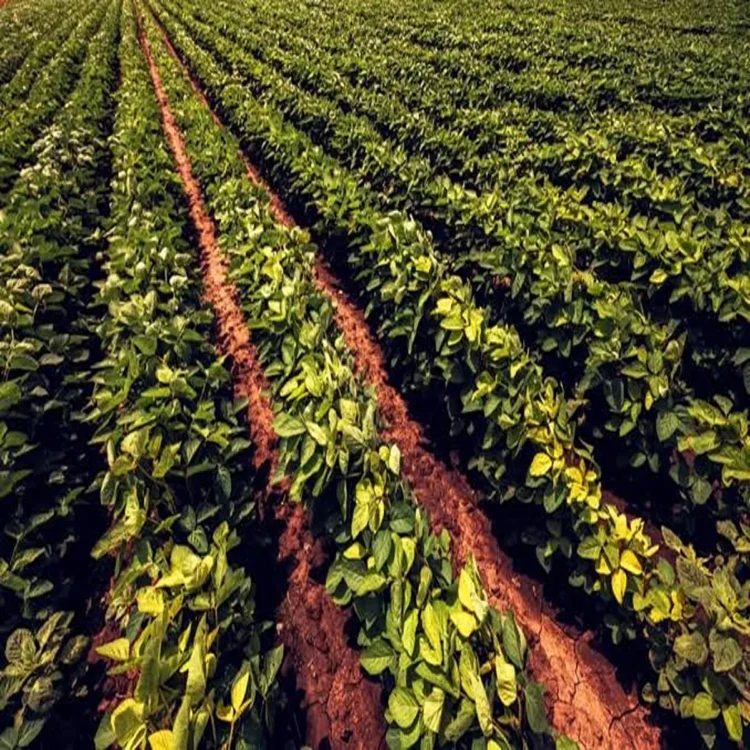
The United States has approved fresh research funding for a major agriculture technology initiative that will be carried out jointly with India’s Ministry of Electronics and Information Technology (MeitY). The project focuses on developing advanced tools for precision soybean breeding with the aim of improving crop productivity, strengthening food security, and helping farmers respond more effectively to changing agricultural conditions. The National Science Foundation (NSF) has awarded more than $528,000 to support the three-year research programme.
Funding Supports International Research Partnership
The funding has been awarded to Dr. Xiaolei Huang, a computer science professor at the University of Memphis. Tennessee Congressman Steve Cohen announced the grant, which is valued at $528,137 and will support the project titled “Collaborative Research: VINES: Track 1: NSF-MeitY: SoyWatch: Smart Sensing Network for Precision Soybean Breeding.”
According to project details released by the NSF, the research will begin on October 1 and continue through September 30, 2029. The initiative is jointly financed under the NSF-MeitY collaborative research programme, highlighting the growing scientific partnership between the United States and India.
Project Aims to Improve Soybean Productivity
Congressman Cohen said the research has the potential to contribute to global food security by increasing soybean yields through modern agricultural technologies. He also noted the importance of India’s role in agricultural innovation, recalling the country’s contribution to the Green Revolution that transformed food production decades ago.
The NSF explained that the project is designed to build an integrated smart farming platform capable of continuously monitoring soybean crops using advanced sensors, wireless communication systems, and artificial intelligence. The technology is expected to provide researchers and breeders with accurate, real-time information throughout the crop development process.
Advanced Technologies to Address Farming Challenges
Researchers plan to develop an intelligent sensing network that can monitor crop health, soil quality, moisture levels, nutrient availability, and environmental conditions. The system is intended to help farmers and scientists respond more effectively to challenges such as crop diseases, insect attacks, and increasingly unpredictable weather patterns affecting soybean cultivation in both countries.
The project will also incorporate NextG-enabled communication technology, allowing sensor data to be transmitted efficiently across large agricultural fields. Drone-assisted data collection and passive sensing methods will support large-scale monitoring while reducing energy consumption.
Artificial Intelligence to Support Better Decisions
Another important component of the research involves developing multimodal large language models capable of combining information collected from field sensors, drone imagery, and environmental datasets. These AI-based tools are expected to improve crop phenotyping, assist with pest management, and generate more accurate yield forecasts.
The final objective is to integrate sensing technologies, wireless communication, and artificial intelligence into a unified platform that provides practical, data-driven insights for soybean breeders, agricultural researchers, and farming communities.
Universities and Research Institutions Join Hands
The initiative brings together experts from several leading institutions. Participating organisations include the University of Memphis, the University of Missouri, Kennesaw State University, the Indian Institute of Technology Delhi, Sher-e-Kashmir University of Agricultural Sciences and Technology of Kashmir, and the Indian Council of Agricultural Research’s National Soybean Research Institute.
The collaboration is expected to encourage interdisciplinary research while providing students in agriculture, engineering, and artificial intelligence with opportunities for advanced training and hands-on experience.
Strengthening India-US Scientific Cooperation
The new project reflects the expanding scientific partnership between India and the United States. Over the past two decades, both countries have increased cooperation in agriculture, artificial intelligence, semiconductor technology, clean energy, and other emerging sectors.
Soybean remains one of the world’s most valuable agricultural crops because of its importance in food production, edible oil manufacturing, and livestock feed. As climate change, resource limitations, and rising global food demand continue to challenge agriculture, investments in precision farming and AI-driven research are becoming increasingly important. Officials believe this collaboration will support the development of high-yielding, disease-resistant soybean varieties while benefiting farmers, researchers, and rural economies in both nations.