
Prediction Markets – US House Pushes New Ethics Rules for Congress Members
Prediction Markets – Lawmakers in the United States are moving toward tighter ethics standards after a new proposal in the House of Representatives sought to stop members of Congress and their staff from participating in prediction market trading. The effort comes amid rising concerns that officials with access to confidential government information could use such platforms for financial advantage.
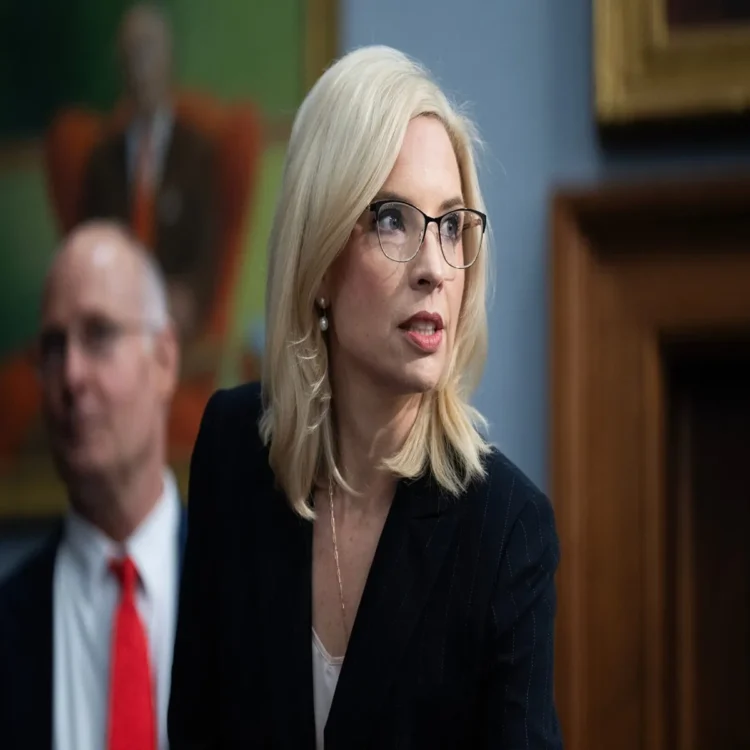
House Republicans Introduce New Restrictions
Republican Representative Ashley Hinson introduced a resolution on Thursday aimed at changing House rules to prevent lawmakers, congressional employees, and House officers from engaging in contracts connected to the outcome of future events. The proposal would effectively prevent participation in platforms such as Kalshi and Polymarket, which allow users to place trades based on political, economic, and global developments.
Hinson said the issue requires immediate attention to avoid potential misuse of privileged information within Congress. According to her remarks, lawmakers should not be able to benefit financially from information that is unavailable to the public while also shaping policies tied to those events.
Senate Previously Approved Similar Action
The House proposal follows recent action in the Senate, where lawmakers unanimously adopted similar restrictions. The Senate measure, known as S Res 708, was led by Republican Senator Bernie Moreno and revised Senate rules to block senators and staff members from trading event-based contracts.
Moreno described the effort as part of a broader campaign to improve public confidence in Congress. He argued that establishing stronger ethical standards should happen immediately, even as broader discussions about prediction market regulation continue separately through hearings and policy debates.
Details of the Proposed House Rule
Under the proposed changes, House members, delegates, officers, resident commissioners, and employees would be prohibited from entering agreements or transactions linked to the occurrence or outcome of specific events. The language is designed to cover prediction market trades involving political decisions, government actions, or other major developments.
Hinson said she worked closely with Moreno while developing the proposal, continuing collaboration from previous legislative efforts. She also urged House Republican leadership to quickly bring the resolution forward for consideration, saying the measure should receive broad bipartisan backing.
Bipartisan Support Emerges in Congress
Support for tighter controls is not limited to Republicans. Democratic Representative Dina Titus introduced a separate proposal earlier this year that would also prohibit members of Congress and staff from trading on prediction market platforms. Her version, however, would still allow sports-related betting activities.
Titus stated that elected officials should never profit from inside information through platforms such as Kalshi or Polymarket. Her comments reflected growing bipartisan concern that the expanding popularity of prediction markets could create new ethical risks in Washington.
Growing Scrutiny Around Prediction Markets
Prediction markets have gained significant visibility in recent years as traders increasingly use them to speculate on elections, policy decisions, international affairs, and economic developments. Critics argue that government officials with advance knowledge of policy actions or sensitive developments could gain an unfair advantage when participating in such markets.
Concerns intensified after reports surfaced involving a special forces soldier accused of using confidential information to place trades connected to the political future of Venezuelan President Nicolás Maduro. According to reports, the trades allegedly generated more than $400,000 in profits. The individual later pleaded not guilty.
Hinson said the issue highlights a clear ethical boundary, arguing that officials with early access to sensitive information should not be allowed to financially benefit before the public becomes aware of those developments.