
Politics – Nepal’s Young Rapper-Turned-Leader Set to Take Office
Politics – Nepal is entering a new political phase as Balendra Shah, a popular rapper-turned-politician, prepares to assume office as the country’s prime minister following a sweeping electoral victory.
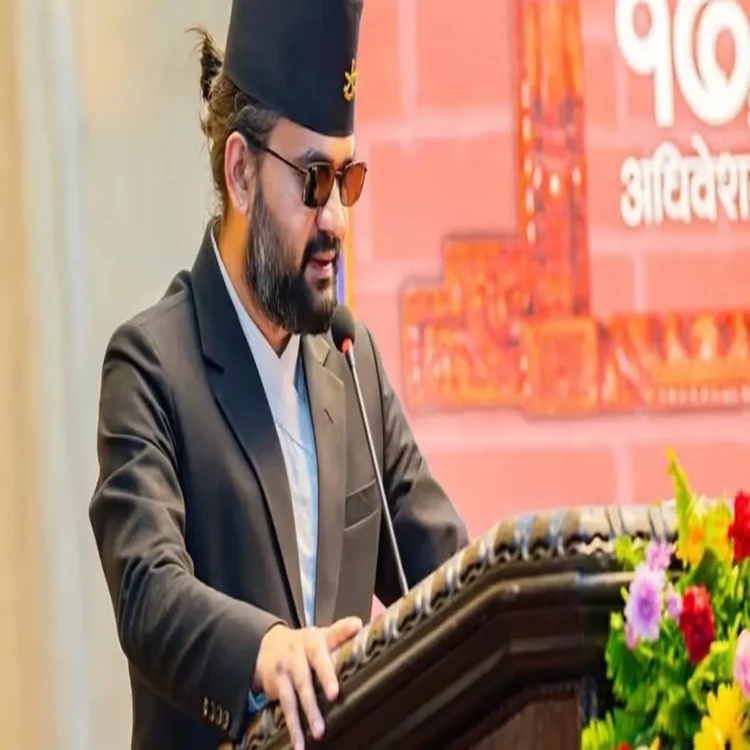
Nepal is witnessing a significant generational shift in leadership as 35-year-old Balendra Shah, widely known as Balen, steps into the role of prime minister. His rise comes months after a powerful youth-led uprising reshaped the nation’s political landscape and forced the previous government out of power.
A landslide victory after months of unrest
Shah’s party secured a decisive mandate in the March 5 elections, winning 182 out of 275 seats in the House of Representatives. The result reflects a strong public demand for change, particularly among younger voters who have grown increasingly frustrated with corruption, unemployment, and economic challenges.
The protests that set the stage for this political shift began after a brief social media restriction but quickly escalated into a nationwide anti-corruption movement. The unrest turned deadly, claiming at least 77 lives and highlighting deep-rooted dissatisfaction within the country.
From music to mainstream politics
Before entering politics, Shah built a reputation as a rapper known for addressing social issues through his music. Even after his electoral victory, he chose to communicate his first public message in the same style, releasing a rap song that called for unity and collective strength.
The song, which quickly gained millions of views online, featured lyrics emphasizing courage, solidarity, and determination. It also included visuals from his election campaign, reinforcing his connection with supporters who see him as a symbol of change.
Support from key political allies
Shah campaigned alongside Rabi Lamichhane, a prominent media personality and leader of the Rastriya Swatantra Party. Lamichhane, who has previously held senior government roles, is expected to remain an influential figure within the new administration.
The partnership between Shah and Lamichhane played a crucial role in mobilizing voters and shaping the party’s reform-focused agenda, which centers on transparency, job creation, and improved governance.
Outgoing leadership expresses optimism
As the new government prepares to take charge, outgoing interim prime minister Sushila Karki addressed the nation, expressing confidence in the incoming leadership. She highlighted the importance of youth-driven governance in tackling corruption and fostering economic growth.
Karki also emphasized the need for unity and collective effort, stating that the country’s future depends on the integrity and hard work of its citizens. Her administration had been overseeing the country during a transitional period following the protests.
Accountability and ongoing investigations
The aftermath of the uprising continues to shape political discussions. A commission formed to investigate the violent crackdown on protesters is expected to release its findings soon.
According to preliminary information, the report recommends legal action against several high-profile figures, including former prime minister KP Sharma Oli and other senior officials. The investigation points to failures in preventing violence and protecting civilians during the protests.
On the first day of demonstrations alone, at least 19 young people were killed. Many victims reportedly died from gunshot wounds, with injuries primarily to the chest and head. Despite the scale of the tragedy, no convictions have been made so far.
A nation at a turning point
Shah’s leadership represents more than just a political victory; it signals a broader shift in public expectations. Citizens are now looking toward a future shaped by accountability, transparency, and inclusive development.
As Nepal prepares for this new chapter, the focus will be on whether the promises of reform can translate into tangible improvements in governance and quality of life. With strong public backing and high expectations, Shah’s administration faces both an opportunity and a challenge in redefining the country’s political direction.