
MiddleEastConflict – US Signals Talks as Fighting Intensifies Across Region
MiddleEastConflict – US President Donald Trump on Thursday dismissed reports suggesting urgency on Washington’s part to secure a peace agreement in the ongoing Middle East conflict, asserting instead that Iran is showing interest in negotiations. His remarks come despite a cautious response from Tehran to a US-backed proposal aimed at reducing hostilities.
Washington Points to Signs of Negotiation
During a cabinet meeting, US envoy Steve Witkoff indicated that there are emerging signals from Iran suggesting a willingness to engage in dialogue. He confirmed that the United States had communicated a detailed 15-point framework to Iranian officials through intermediaries in Pakistan. According to Witkoff, the proposal aims to present Iran with a clear choice between de-escalation and continued conflict.
Trump, however, maintained a firm stance while addressing the media. He rejected claims that his administration was under pressure to reach a deal, emphasizing that the US is not in a position of desperation. At the same time, his statements reflected a mix of caution and assertiveness regarding Iran’s current situation.
Israeli Leadership Raises Concerns Over Military Strain
In Israel, concerns are mounting over the growing pressure on military forces. Opposition leader Yair Lapid publicly warned that the country’s armed forces are overstretched due to simultaneous operations on multiple fronts. Israeli troops are currently engaged in combat against Hezbollah in Lebanon while also supporting broader regional strikes.
Lapid criticized the government’s handling of the situation, arguing that the military is being deployed without sufficient resources or a comprehensive strategy. His remarks echoed similar concerns raised earlier by senior military officials, who have called for additional personnel to sustain ongoing operations.
A military spokesperson also acknowledged the need for reinforcements, particularly along the Lebanese border, where defensive operations are expanding. The call for more troops highlights the intensity and scale of the current conflict.
Iran Responds with Conditions for De-escalation
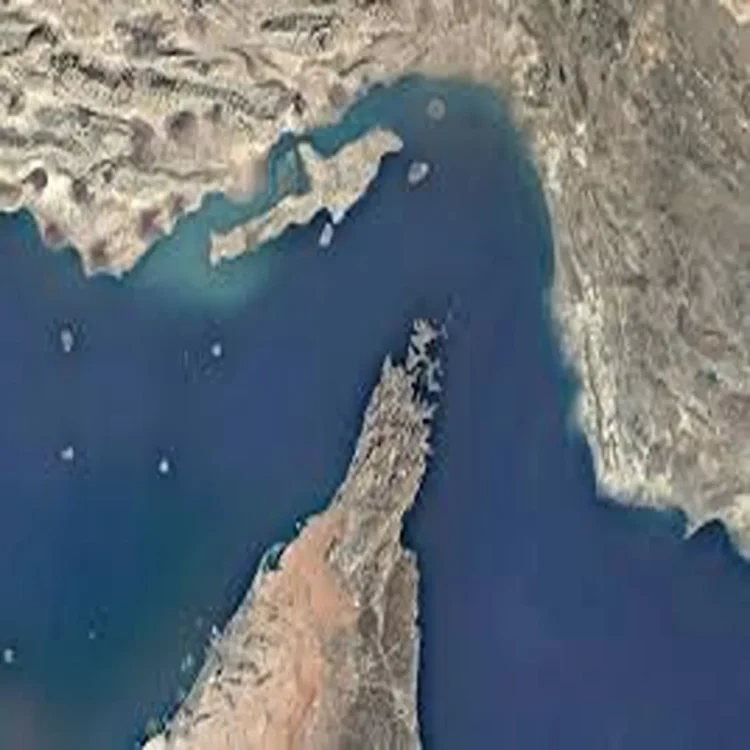
Iran has formally responded to the US proposal, according to reports from its state-affiliated media. The response, delivered through intermediaries, outlines several conditions for any potential agreement. These include an immediate halt to US and Israeli military actions, compensation for damages, and recognition of Iran’s authority over the Strait of Hormuz.
These demands appear to go beyond the scope of the US proposal, indicating a significant gap between the two sides. Iranian officials have stated that they are now awaiting a reply from Washington.
Escalation Continues Despite Diplomatic Signals
While diplomatic efforts are being discussed, military activity has intensified across several regions. Iran has faced continued airstrikes targeting key locations, including cities such as Isfahan, Shiraz, and Tabriz. Explosions were reported in multiple areas, with witnesses describing increased aerial activity.
Israeli officials claimed that recent strikes eliminated senior members of Iran’s Revolutionary Guard, including a top naval commander. These developments suggest that both sides are continuing to pursue military objectives even as diplomatic channels remain open.
Regional Impact and Civilian Concerns
The conflict is also affecting neighboring Gulf countries. Missile debris reportedly caused casualties near Abu Dhabi, while drones were launched toward Saudi Arabia and Kuwait. Iran has accused certain Gulf nations of supporting US military operations, leading to expanded targeting in the region.
Meanwhile, civilians in affected areas continue to face uncertainty. Residents in southern Iran expressed concern about worsening living conditions and the long-term impact of the conflict. Some questioned whether an end to hostilities would bring meaningful change to their daily lives.
Oil Markets React to Uncertainty
The evolving situation has also influenced global oil markets. Prices, which had shown signs of stabilizing, rose again following mixed signals about possible negotiations and continued violence. The Strait of Hormuz, a critical route for global energy supplies, remains a focal point in the الأزمة.
As both diplomatic and military developments unfold, the path forward remains uncertain. While there are indications of possible talks, ongoing hostilities suggest that a resolution may still be some distance away.