
Electronics – Customs Duty Relief Expanded for Components and Battery Equipment
Electronics – The government has introduced fresh customs duty concessions on selected imported parts and industrial equipment used in electronics production and lithium-ion battery manufacturing. The measures are intended to reduce input costs for domestic manufacturers and strengthen local production of finished electronic goods, including smartphones and battery systems.
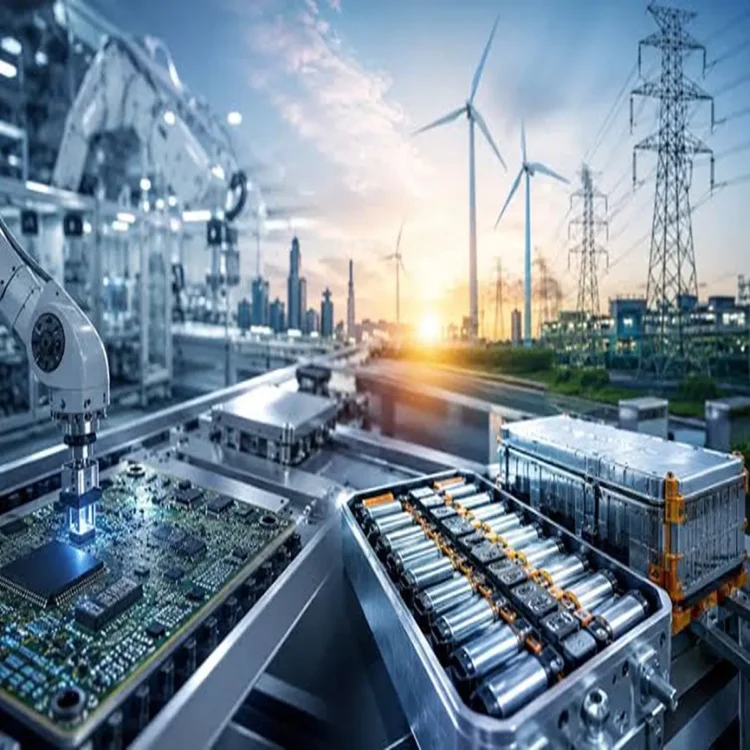
CBIC Issues Three Notifications
The Central Board of Indirect Taxes and Customs has released three notifications covering duty exemptions and concessional import rates. The changes apply to components used in display assembly production, wireless charging modules for mobile phones, and machinery required for lithium-ion cell manufacturing.
The relief is expected to help companies source specialised materials and equipment at lower costs while increasing domestic value addition across electronics and electric vehicle supply chains.
Display Assembly Parts Get Duty Exemption
Under one notification, five components used to manufacture display assemblies for automotive, medical and industrial applications will be exempt from basic customs duty until March 31, 2029.
The exempted items include display cells, flexible printed circuit assemblies, backlight units, frames and anisotropic conductive film. These components are commonly used in specialised display systems that serve vehicles, medical devices and industrial equipment.
However, the exemption does not apply to display assemblies used in mobile phones, smartwatches, smart meters, television panels or interactive flat-panel displays. The government has kept these categories outside the scope of the latest duty relief.
Wireless Charging Module Components Included
A second notification extends zero customs duty on six components used in the production of inductor coil modules for wireless charging in cellular mobile phones. The benefit will remain available until March 31, 2029.
The eligible items include nano-crystalline assemblies, E-shields, PET liners, PC shims, stranded coils, NFC coils and neodymium-iron-boron magnets. These materials are used in the manufacturing of wireless charging systems that are increasingly being incorporated into smartphones and other connected devices.
By lowering the cost of these imported inputs, the policy is expected to support local assembly and manufacturing of advanced mobile phone components.
Lithium-Ion Cell Machinery List Expanded
The third notification revises the list of machinery that can be imported at concessional customs duty for lithium-ion cell production. The earlier list has been replaced with an expanded set of 85 capital goods.
The revised list covers equipment used at different stages of battery cell manufacturing. It includes coating machines, winding systems, welding equipment, testing tools, formation machines and drying systems, among other specialised production assets.
Lithium-ion cells are a key component in electric vehicles, energy storage systems and portable electronics. Access to lower-cost manufacturing equipment may help domestic companies establish or expand battery production facilities.
Support for Electronics and Electric Mobility
The customs duty measures are part of the government’s broader effort to develop stronger manufacturing capabilities in electronics, battery technology and electric mobility. Lower import duties on critical inputs can improve the cost competitiveness of companies producing goods within India.
The concessions are scheduled to remain in force until March 31, 2029. Industry participants are likely to view the extended validity period as useful for planning investments in production lines, supply chains and new manufacturing facilities.
The policy changes also aim to encourage manufacturers to move beyond final assembly and undertake more component-level production within the country. This could support deeper domestic value addition in sectors that rely heavily on specialised imports.