
Migration – Costa Rica to Accept Weekly Deportees Under US Policy Deal
Migration – Costa Rica has agreed to receive up to 25 migrants deported from the United States each week under a new arrangement linked to former U.S. President Donald Trump’s immigration strategy. The decision places the Central American nation among a growing list of countries participating in agreements that allow the U.S. to send migrants to third countries rather than returning them directly to their homelands.
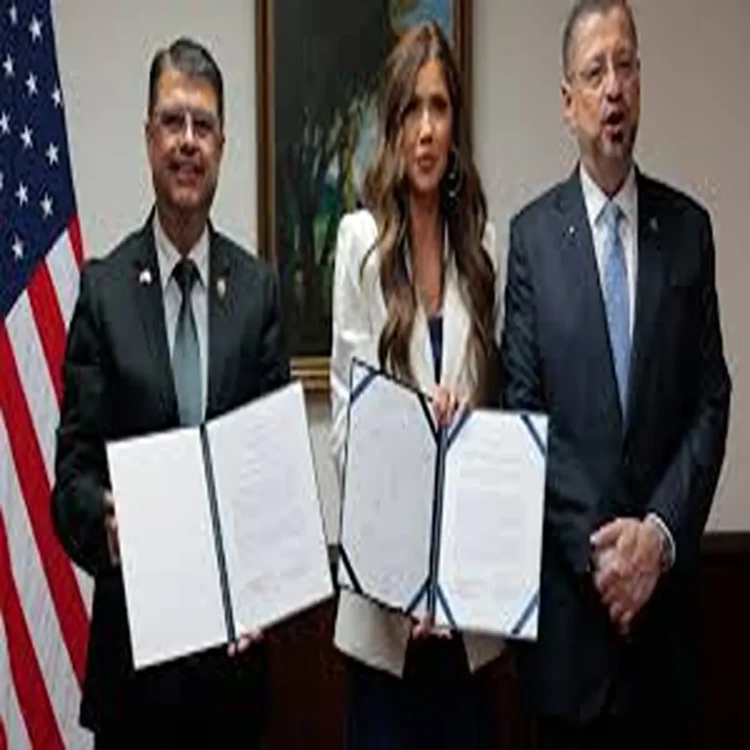
Agreement Expands Third-Country Deportation Strategy
The deal, described by Costa Rica as a non-binding migration agreement, was finalized earlier this week during a visit from U.S. envoy Kristi Noem. Under its terms, Costa Rica may accept or decline individuals proposed for transfer, and the migrants involved are not Costa Rican nationals.
This arrangement aligns with a broader U.S. policy approach that seeks cooperation from foreign governments to manage migration flows. Several countries across Africa, Latin America, and the Caribbean—including Honduras, Rwanda, Guyana, and island nations such as Dominica and St. Kitts and Nevis—have entered similar agreements.
Costa Rica’s Public Security Minister Mario Zamora stated that the country is prepared to handle the incoming migrants, emphasizing that authorities will process them in accordance with national immigration laws.
Legal and Humanitarian Concerns Raised
Despite official assurances, the policy has sparked criticism from legal experts and human rights advocates. Many argue that relocating migrants to countries where they have no ties, language familiarity, or support systems places them in uncertain legal situations. In some cases, individuals who originally sought asylum in the United States may find themselves stranded without clear protections.
Critics also warn that such arrangements could potentially bypass international obligations that prevent sending individuals to places where they may face harm or persecution.
Past Incidents Fuel Ongoing Debate
Costa Rica’s earlier experience with deported migrants has added to concerns. Last year, the country received around 200 individuals from nations including Russia, China, Uzbekistan, and Afghanistan. Reports indicated that many were held for extended periods in a remote detention facility near the Panama border.
Approximately half of those detained were minors, and authorities reportedly confiscated their passports. The situation led to legal challenges and accusations of human rights violations. Eventually, Costa Rica’s Supreme Court ordered their release.
Following their release, some migrants who feared returning to their home countries were granted temporary permission to remain in Costa Rica. Similar controversies were reported in neighboring Panama, which also detained deportees under comparable arrangements.
Government Promises Improved Conditions
In response to past criticism, Costa Rican officials have pledged better treatment for future arrivals. Minister Zamora stated that the government will coordinate with international organizations, including the International Organization for Migration, to ensure appropriate accommodation and support.
He added that efforts will focus on maintaining humane conditions and facilitating the safe return of migrants to their countries of origin. However, details regarding the duration of stays and specific housing arrangements have not yet been disclosed.
Broader Policy and Financial Implications
The U.S. government has reportedly invested significant resources into implementing third-country deportation programs. According to a report from the Senate Foreign Relations Committee’s Democratic staff, approximately $40 million has been spent to relocate around 300 migrants to countries other than their own.
Legal representatives for some migrants have noted that several individuals involved in these transfers had previously received court protections in the United States, preventing their return to their home countries due to safety concerns.
As more nations consider similar agreements, the long-term impact of this strategy remains uncertain. While governments emphasize cooperation and migration management, ongoing scrutiny highlights the complex legal and humanitarian challenges surrounding third-country deportations.