
PoliticalCrisis – Bolivia Faces Escalating Unrest as Nationwide Blockades Intensify
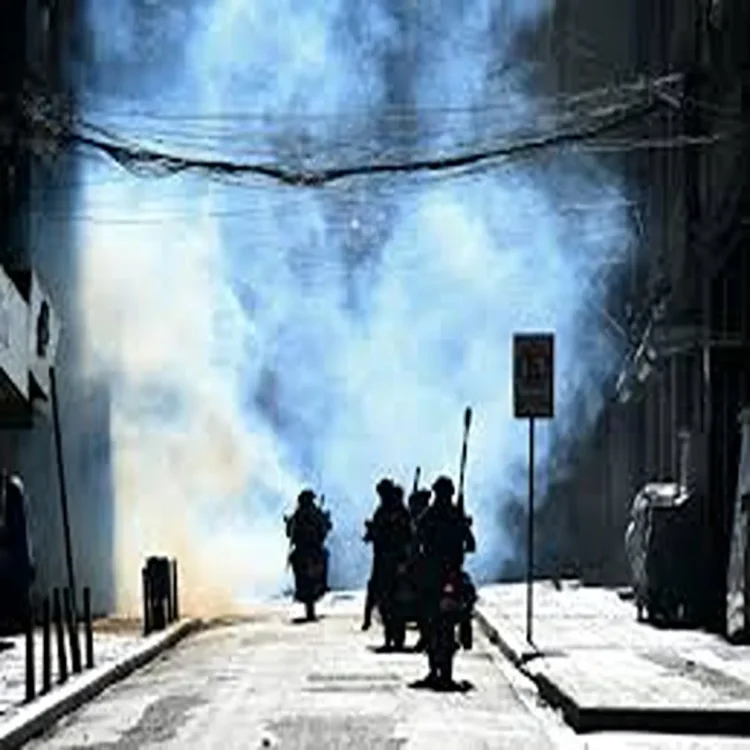
PoliticalCrisis – Bolivia is witnessing a deepening political and social crisis as demonstrations against President Rodrigo Paz continue to spread across the country. Fresh confrontations broke out on Monday in several areas, with security forces and protesters clashing amid growing public frustration over economic hardships. Authorities used tear gas to disperse crowds after demonstrators threw stones, firecrackers and other objects at police officers. The latest unrest has led to multiple arrests and further disrupted daily life across the South American nation.
New Tensions Emerge in Cochabamba
One of the most serious incidents occurred in Cochabamba, where protesters attempted to block a strategic bridge connecting the region with western Bolivia. Police intervened to prevent the blockade, resulting in violent exchanges between both sides. According to officials, dozens of individuals were detained during the operation. Demonstrators reportedly responded with stones and explosive devices, while police deployed tear gas to regain control of the area.
Blockades Continue to Disrupt Transportation
The protests have entered their fifth consecutive week, with road blockades severely affecting transportation networks throughout the country. Labor organizations, farming communities and Indigenous groups have established around 90 blockade points on major highways. These disruptions have effectively isolated several urban centers, including the capital city of La Paz and the neighboring city of El Alto.
The ongoing restrictions on transport routes have contributed to shortages of essential goods. Residents in many regions have reported difficulties accessing food supplies, fuel and medical products. Businesses and transport operators have also faced significant challenges due to interrupted logistics and reduced mobility.
Economic Concerns Fuel Public Anger
Many protesters say their dissatisfaction stems from the government’s handling of economic issues. Critics have pointed to the removal of fuel subsidies and rising living costs as key reasons behind the demonstrations. Inflation and stagnant wages have added to public frustration, particularly among working-class communities that expected economic improvements after supporting Paz during the election.
President Paz assumed office seven months ago after securing a victory that ended nearly two decades of political dominance by the Movement Toward Socialism (MAS), the party established by former leader Evo Morales. However, opponents argue that the administration has yet to provide effective solutions to Bolivia’s economic difficulties.
Casualties and Arrests Reported
An independent report released by Bolivia’s public ombudsman documented the human impact of the unrest. Between May 1 and June 2, the disturbances reportedly resulted in 10 deaths, 37 injuries and 365 arrests. Government officials have stated that several fatalities were linked to limited access to medical care caused by the blockades, while investigations into all reported deaths remain ongoing.
Government Considers Stronger Measures
Facing mounting pressure, President Paz has approved legislation that could make it easier for authorities to declare a state of emergency. Such a measure would allow the government to temporarily restrict certain constitutional rights and authorize military involvement in restoring public order and reopening blocked roads.
However, the law alone does not activate emergency powers. A separate presidential decree would still be required before any state of emergency could take effect. Analysts note that decisions involving military intervention remain politically sensitive in Bolivia due to the country’s history of unrest and leadership changes during previous crackdowns.
Calls for Dialogue Remain Unresolved
In a national address, Paz defended the new legislation and appealed for dialogue with groups presenting legitimate concerns. He reiterated his willingness to negotiate and urged social organizations to seek peaceful solutions.
Despite these appeals, protest leaders continue to reject negotiations and maintain their demand for the president’s resignation. Meanwhile, tensions remain high in several cities. In El Alto, demonstrators stormed a transport union office amid growing concerns over fuel shortages, leading to additional arrests by police.
As the standoff continues, Bolivia faces increasing uncertainty, with both the government and protest groups showing little sign of backing down.