
NuclearTalks – Rubio Signals Conditional Iran Negotiations Over Strait Dispute
NuclearTalks – The United States may move toward fresh diplomatic discussions with Iran if the Strait of Hormuz is reopened, according to comments made by US Secretary of State Marco Rubio during his recent visit to New Delhi. His remarks indicated that Washington could consider a gradual negotiation process rather than demanding a complete resolution of Iran’s nuclear activities at the outset.
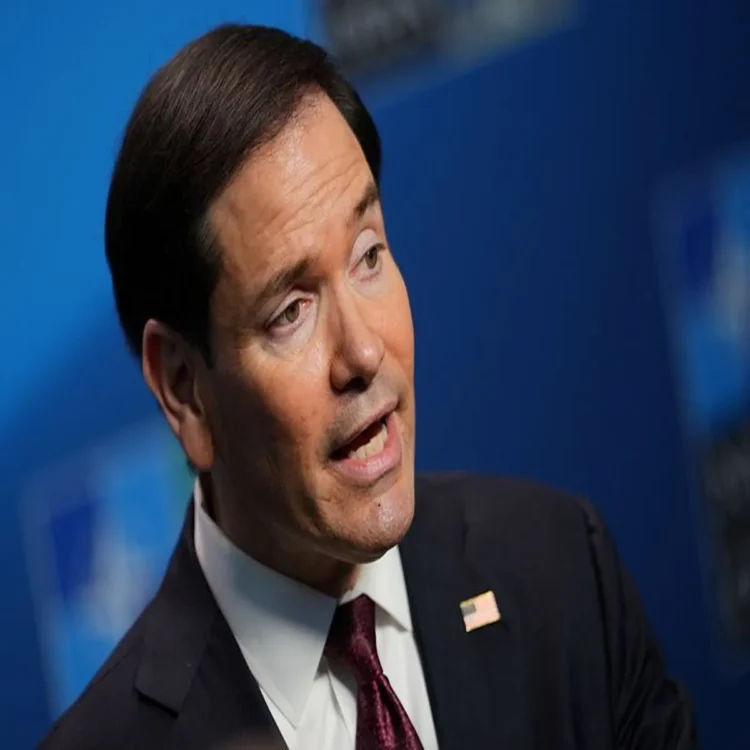
Washington Indicates Flexible Diplomatic Approach
Speaking in an interview cited by international media reports, Rubio explained that resolving concerns linked to Iran’s nuclear activities would require detailed technical discussions and could not be completed quickly. He stressed that reopening the Strait of Hormuz would be an immediate priority before formal negotiations could advance.
According to Rubio, once maritime access is restored under mutually accepted conditions, the United States would be ready to begin serious discussions concerning uranium enrichment, existing stockpiles of highly enriched uranium, and long-term guarantees related to nuclear weapons development.
He suggested that the process would involve careful technical evaluations and international coordination. While emphasizing that negotiations should not drag on indefinitely, Rubio acknowledged that meaningful progress would require time.
Possible Interim Agreement Under Consideration
The latest comments have fueled speculation that the US administration may be open to an interim arrangement with Iran. Such an approach could involve phased commitments instead of an all-encompassing nuclear agreement at the beginning of talks.
Analysts have noted that a temporary framework could help reduce immediate tensions in the Gulf region while allowing negotiators additional time to resolve more complex nuclear issues. However, critics within Washington have warned that a phased agreement might reduce the bargaining strength of the United States in future negotiations.
Neither the US government nor Iranian officials have publicly disclosed detailed terms related to any potential diplomatic framework.
Trump Administration Maintains Firm Position
Rubio also repeated the long-standing position of US President Donald Trump that Iran must never acquire nuclear weapons capability. He indicated that additional announcements regarding the matter could emerge soon and described recent developments as meaningful, though not final.
The secretary of state said the administration’s primary objective remains unchanged: ensuring that Iran is permanently prevented from obtaining nuclear weapons. He added that this position continues to guide all ongoing diplomatic and strategic discussions involving Tehran.
Rubio further stated that if diplomatic efforts fail to produce acceptable results within a limited timeframe, the US president would retain all available policy options currently under consideration. His remarks suggested that Washington could reassess its approach if negotiations fail to deliver measurable outcomes within approximately two months.
Focus on Strait of Hormuz Stability
The Strait of Hormuz remains one of the world’s most strategically important shipping routes, carrying a substantial share of global oil exports. Any disruption in the region can have immediate consequences for international energy markets and regional security.
Rubio said the United States and its Gulf allies have been working on a broader framework aimed at maintaining unrestricted maritime movement through the strait without additional tolls or barriers. However, he emphasized that such a plan would require Iran’s full cooperation and implementation.
The latest developments come amid continuing international concerns surrounding regional stability, maritime security, and the future of Iran’s nuclear program. Diplomatic observers believe the coming weeks could prove significant in determining whether renewed negotiations can reduce tensions between Washington and Tehran.