
NuclearMonitoring – IAEA Faces Challenges Tracking Iran’s Nuclear Activities After Conflict
NuclearMonitoring – The International Atomic Energy Agency (IAEA) has reported significant difficulties in monitoring several Iranian nuclear facilities impacted by last year’s conflict, according to a confidential assessment circulated among member states. The report highlights ongoing concerns over the agency’s ability to verify key aspects of Iran’s nuclear program following disruptions caused by the hostilities.
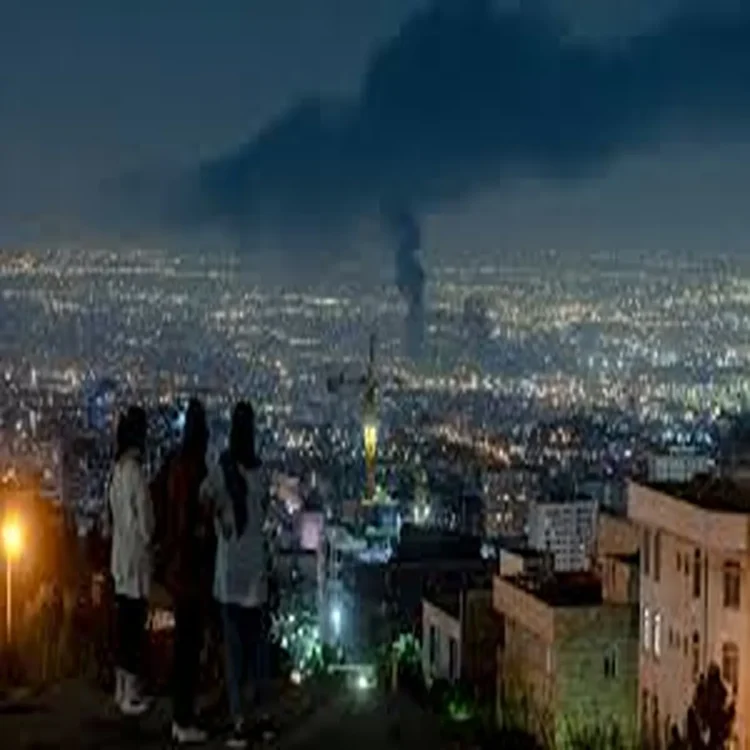
Limited Access to Nuclear Facilities
According to the agency, inspectors have been unable to conduct visits to a number of nuclear sites affected during the conflict, restricting their ability to assess current operations. As a result, the IAEA stated that it cannot accurately determine the present quantity, condition, or location of Iran’s stockpile of enriched uranium. The agency also said it is unable to confirm whether enrichment-related activities have been halted across the country.
The report emphasizes that these limitations have prevented the watchdog from fully carrying out its responsibilities under international nuclear safeguards agreements linked to the Nuclear Non-Proliferation Treaty (NPT). It urged Tehran to fulfill its obligations and allow the necessary verification activities to resume without delay.
Bushehr Plant Remains Only Recently Inspected Site
The only Iranian nuclear facility visited by IAEA inspectors since the agency’s previous report in February was the Bushehr nuclear power plant. Inspectors conducted their visit between June 1 and June 3.
The Bushehr reactor operates using uranium supplied by Russia and enriched to approximately 4.5 percent purity. Such enrichment levels are commonly used for civilian electricity generation and are significantly below those associated with military applications.
Concerns Over Enriched Uranium Stockpile
The agency’s report noted that Iran continues to possess an estimated 440.9 kilograms of uranium enriched to 60 percent purity. While this level is below weapons-grade material, experts consider it a relatively short technical step away from the 90 percent enrichment generally associated with nuclear weapons production.
IAEA Director General Rafael Grossi recently warned that, in theory, the existing stockpile could provide sufficient material for multiple nuclear devices if a decision were made to pursue weaponization. However, he stressed that possessing enriched uranium does not mean Iran currently has nuclear weapons.
Under standard IAEA verification procedures, material enriched to such levels is typically subject to frequent inspections and monitoring to ensure transparency and compliance with international agreements.
Diplomatic Efforts Continue
Despite the challenges, Grossi reiterated his support for ongoing diplomatic discussions aimed at resolving disputes surrounding Iran’s nuclear activities. The report states that the agency remains prepared to assist any future agreement reached through negotiations between the involved parties.
Diplomatic contacts have continued for several weeks as international mediators attempt to secure a more stable and lasting ceasefire. However, regional tensions remain elevated, complicating efforts to achieve a broader political settlement.
Rising Regional Instability
The release of the report comes amid renewed security concerns across the Middle East. On Wednesday, Iranian drones struck Kuwait’s primary airport, causing severe damage to a passenger terminal. The incident resulted in one fatality, left dozens injured, and temporarily disrupted airport operations.
The attack marked another escalation in the ongoing exchange of hostilities involving Iran and the United States, raising concerns about the durability of an already fragile ceasefire arrangement.
Economic Impact Extends Beyond the Region
The broader conflict continues to affect international markets and trade routes. Iran maintains control over the strategically important Strait of Hormuz, a vital passage for global shipments of oil, natural gas, and related commodities. At the same time, U.S. restrictions on Iranian ports remain in place.
These developments have contributed to elevated energy prices worldwide, with the economic consequences being felt far beyond the Middle East as governments and businesses monitor the situation closely.