
Monarchy – Queen Elizabeth II’s Enduring Legacy Marks Birth Centenary Observance
Monarchy – Four years after her passing, Queen Elizabeth II continues to hold a powerful place in public memory as the United Kingdom commemorates what would have been her 100th birth anniversary. Souvenir shops near Buckingham Palace report sustained demand for memorabilia featuring the late monarch, reflecting her lasting popularity. Items displaying King Charles III have not generated comparable interest, highlighting the deep emotional connection many still feel toward Elizabeth.
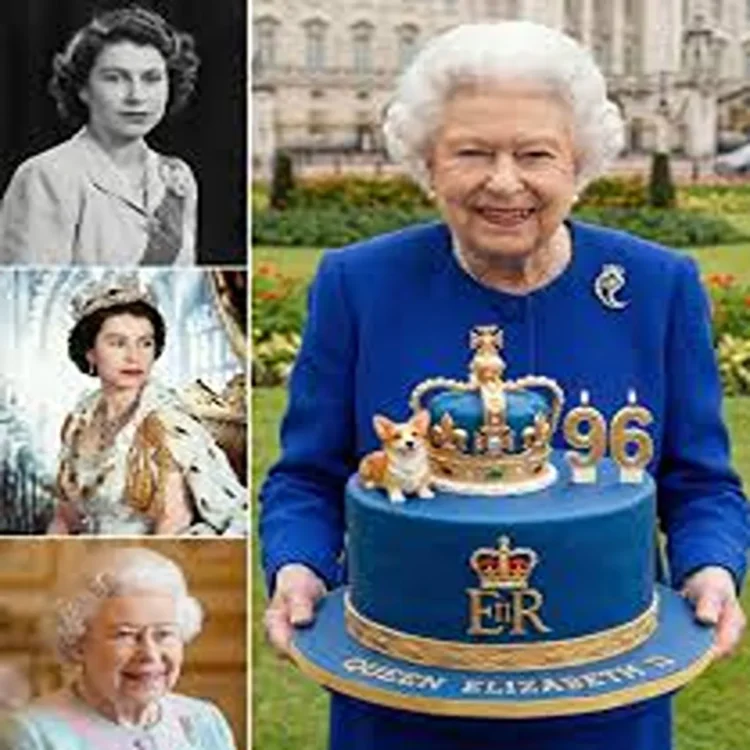
Public Memory Still Anchored to Elizabeth
For many in Britain, the term “the queen” still instinctively refers to Elizabeth II rather than the current queen consort. Her 70-year reign left an imprint that shaped generations, making her the only monarch most citizens had ever known until her death in September 2022. From her early years as a young sovereign to her later role as a reassuring national figure during challenging periods like the COVID-19 pandemic, she became a symbol of continuity and stability.
Her centenary is being marked through official and cultural events, including a reception at Buckingham Palace hosted by King Charles III. The event honors individuals who share her birth date, while a commemorative garden has been established in Regent’s Park. Additionally, exhibitions showcasing her iconic wardrobe are drawing visitors, reflecting continued interest in both her public and private life.
A Life Shaped by Unexpected Duty
Born Elizabeth Alexandra Mary Windsor on April 21, 1926, she was not initially destined for the throne. Her early life suggested a quieter path within the royal family. However, a dramatic turn of events changed her future when her uncle, King Edward VIII, abdicated. Her father then became King George VI, placing Elizabeth next in line to the crown.
At just 25 years old, she ascended the throne following her father’s death in 1952 while on a trip to Kenya. Her reign would go on to become the longest in British history, spanning decades of profound global and societal transformation.
A Global Figure Through Changing Times
Throughout her reign, Elizabeth II played a central role in representing Britain on the world stage. She undertook more than 200 overseas visits, strengthening diplomatic ties across continents. Her presence was particularly significant in maintaining relationships with former colonies and key allies.
Domestically, she remained a familiar and reassuring figure, attending countless public engagements and national ceremonies. Her approach combined tradition with gradual adaptation, allowing the monarchy to remain relevant in a rapidly changing world.
Her appearances also evolved with time, including memorable moments that connected with younger audiences, such as her participation in the 2012 London Olympics opening ceremony alongside actor Daniel Craig and her widely shared sketch with Paddington Bear.
Legacy Under Reflection
Despite widespread admiration, Elizabeth’s legacy is not without scrutiny. Questions have been raised about her handling of controversies involving her second son, Prince Andrew, particularly regarding his association with Jeffrey Epstein. Critics argue that the issue was not addressed swiftly enough, allowing it to affect public perception of the monarchy.
King Charles III later took decisive action by removing Andrew’s royal titles in an effort to protect the institution’s reputation. Observers suggest that while Elizabeth’s response may have been influenced by her role as a mother, it remains a point of debate among historians and the public alike.
Balancing Achievements and Criticism
Many analysts maintain that Elizabeth II’s accomplishments far outweigh her missteps. She guided the monarchy through periods of political, social, and technological change while maintaining a largely neutral stance in public affairs. Her ability to adapt without losing the essence of tradition is often cited as a key strength.
Even in her final years, she remained active in her duties, demonstrating a strong sense of commitment until the end of her life. This dedication has contributed significantly to her enduring respect and admiration.
Public Sentiment Remains Strong
Visitors to London continue to express admiration for the late queen, often describing her as an enduring symbol of grace and resilience. While some acknowledge the controversies that emerged during her reign, many still view her with empathy, recognizing the personal challenges she faced alongside her public responsibilities.
As the nation reflects on her centenary, Queen Elizabeth II’s influence on British identity and the monarchy remains deeply ingrained. Her legacy continues to shape discussions about the future of the royal family and its role in modern society.