
MigrationJobs – Germany Sees India as Leading Source of Skilled Talent
MigrationJobs – Germany has identified India as a preferred partner under its migration strategy, with Indian professionals playing a growing role in addressing the country’s skilled labour shortage. Senior German diplomat Florian Laudi highlighted the expanding partnership during a United Nations event focused on digital innovation in migration governance.
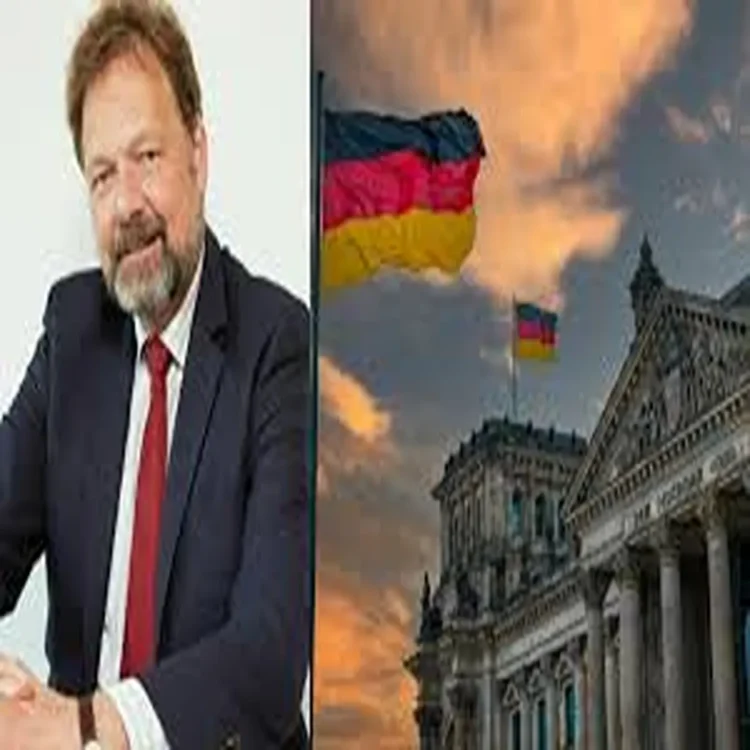
Strong Migration Partnership Between India and Germany
Speaking at the programme hosted by India’s Permanent Mission to the United Nations, Laudi described migration cooperation between the two nations as highly beneficial for both economies and for migrants seeking better opportunities abroad.
He said Germany continues to face a shortage of skilled workers in several sectors, while India possesses a large pool of trained professionals ready to contribute internationally. According to him, this collaboration has created opportunities that benefit workers, employers, and both governments alike.
Laudi also noted that Indian workers are now a visible and valued part of everyday life in German cities, especially in Berlin. He pointed out that many Indian migrants are employed in science, engineering, and technology-related sectors where demand for qualified employees remains high.
Rising Number of Indian Workers in Germany
The German official revealed that around 180,000 Indians became part of Germany’s workforce in 2025, marking a major rise over the last decade. He stated that the number represents a sharp increase compared to previous years and reflects Germany’s growing dependence on international skilled labour.
He further explained that Indian professionals in Germany generally earn salaries above the national median income because of their educational background and technical expertise. Their qualifications, particularly in STEM fields, continue to make them attractive to German employers.
Migration Agreement Expanding Opportunities
Germany and India signed the Migration and Mobility Partnership Agreement in 2022 to simplify pathways for skilled professionals, researchers, and students. The agreement has helped both countries improve visa systems and streamline administrative procedures connected with migration.
Laudi said both governments are working to speed up recognition of academic degrees and professional qualifications. Efforts are also underway to expand access to German language training and examination centres in India to make the transition easier for future migrants.
Digital processing of visas and migration services has also become an important part of the cooperation, helping applicants complete formalities more efficiently.
Indian Students Continue to Choose Germany
Germany has also emerged as a preferred destination for Indian students pursuing higher education overseas. According to Laudi, more than 60,000 Indian students have enrolled in German universities for the third consecutive year, making them the country’s largest international student community.
He added that many students remain in Germany after graduation and successfully secure employment in different industries. This trend is helping Germany retain young and educated talent while also strengthening long-term economic ties with India.
Vocational Training Attracting Indian Youth
Apart from highly qualified professionals and university graduates, Germany is increasingly welcoming Indian apprentices through its vocational training programmes. Laudi stated that nearly 10,000 Indian trainees are currently working and learning within Germany’s internationally recognised vocational education system.
These programmes allow participants to gain practical experience while developing industry-specific skills that are valued across Europe. German authorities believe such initiatives can help address labour shortages in manufacturing, healthcare, hospitality, and technical services.
Laudi also described India as one of Germany’s most important political and economic partners, saying both nations share common democratic values and support a rules-based international order.