
MiddleEastConflict – Airstrikes Hit Tehran as Regional Tensions Intensify Further
MiddleEastConflict – Israel carried out fresh airstrikes on Tehran early Friday, coinciding with Iran’s Nowruz celebrations, as the ongoing conflict continued to widen its regional and economic impact. Reports from local activists indicated multiple explosions across the Iranian capital, marking another phase in a war that has already unsettled global markets and heightened fears of a broader confrontation.
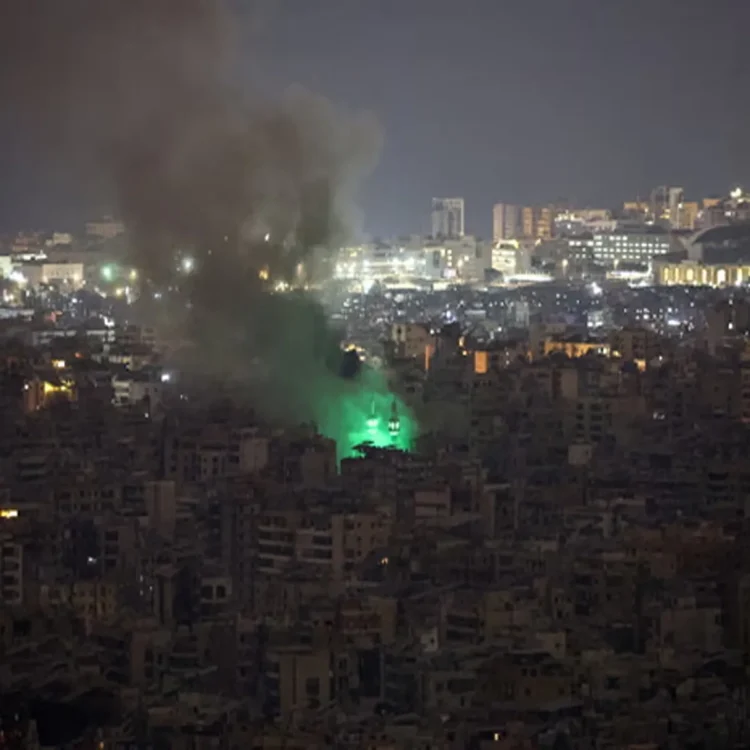
Renewed strikes follow temporary restraint
The latest attacks came shortly after Israel signaled a pause in targeting Iran’s major offshore gas infrastructure. However, Iran responded by stepping up strikes on energy facilities across the Gulf region, escalating tensions further. The exchange of attacks has increasingly focused on critical oil and gas assets, raising concerns about long-term supply disruptions.
Explosions reported across Gulf region
Residents in Dubai reported loud blasts in the early hours as air defense systems intercepted incoming projectiles. The incident occurred during Eid al-Fitr, a time when mosques were preparing for morning prayers. Similar alerts were triggered across northern Israel, where warning sirens sent civilians rushing to shelters following multiple missile launches from Iran.
Israel’s military confirmed that more than a dozen missiles were fired in a single day earlier this week, highlighting the intensity of the ongoing exchanges.
Oil supply concerns drive global market volatility
The conflict has placed significant pressure on global fuel supplies, particularly due to Iran’s control over the Strait of Hormuz, a crucial route for nearly 20 percent of the world’s oil shipments. Brent crude prices briefly surged past $119 per barrel, reflecting a sharp increase since hostilities began. Natural gas prices in Europe have also risen dramatically, nearly doubling within a month.
Diplomatic pressure and strategic decisions
Israeli Prime Minister Benjamin Netanyahu stated that further strikes on Iran’s South Pars gas field had been halted following a request from U.S. President Donald Trump. The decision came amid appeals from Gulf nations concerned about the economic fallout of continued attacks on energy infrastructure.
Despite this, retaliatory strikes by Iran have continued to drive energy prices higher and prompted calls for stronger diplomatic intervention.
United Nations raises alarm over regional escalation
An emergency closed-door meeting of the United Nations Security Council was held, where Gulf countries urged Iran to cease attacks on their territories. However, incidents continued to be reported across the region.
Saudi Arabia confirmed damage to a key refinery in Yanbu, while Qatar reported significant losses at its Ras Laffan liquefied natural gas facility. The damage is expected to reduce exports and could take years to fully repair. Additional strikes were reported on facilities in Kuwait and Abu Dhabi.
Maritime security has also been affected, with ships damaged near the coasts of the United Arab Emirates and Qatar, raising further concerns about safe passage in regional waters.
Security operations and internal threats
Authorities in the UAE announced the dismantling of what they described as a network linked to Iran and Hezbollah. Several individuals were detained on allegations of financial crimes and activities that could destabilize the country’s economic system. Officials stated that the group had been operating under the guise of legitimate business operations.
Military capabilities and leadership claims
Netanyahu claimed that Iran’s military infrastructure had suffered significant setbacks, including damage to its air defenses, naval fleet, and air force. He also asserted that Iran’s nuclear and missile development capabilities had been severely weakened, though independent verification of these claims was not provided.
Iran, now under new leadership following the loss of senior figures early in the conflict, continues to demonstrate its ability to launch missile and drone attacks.
U.S. stance and military involvement
U.S. military operations have reportedly expanded deeper into Iranian territory, targeting underground weapons facilities and maritime assets. Despite this, President Trump stated clearly that there are no plans to deploy American ground troops in Iran.
He also issued warnings regarding further Iranian strikes on regional energy sites, particularly those involving Qatar’s gas infrastructure.
Rising casualties and humanitarian concerns
The human cost of the conflict continues to grow. Reports indicate that more than 1,300 people have been killed in Iran since the war began. In Lebanon, Israeli operations targeting Hezbollah have resulted in over 1,000 deaths and displaced more than a million people.
In Israel, missile attacks from Iran have claimed at least 15 lives, with additional casualties reported in the West Bank. The United States has also confirmed the deaths of 13 military personnel during the conflict.
As the war enters its third week, concerns remain high over the potential for further escalation and its far-reaching consequences on global stability.