
IranDiplomacy – US Senator Questions Pakistan’s Role in Iran Mediation Efforts
IranDiplomacy – Republican Senator Lindsey Graham has raised fresh concerns over Pakistan’s involvement in diplomatic discussions linked to Iran, questioning whether Islamabad can continue to be viewed as a neutral intermediary in ongoing regional negotiations.
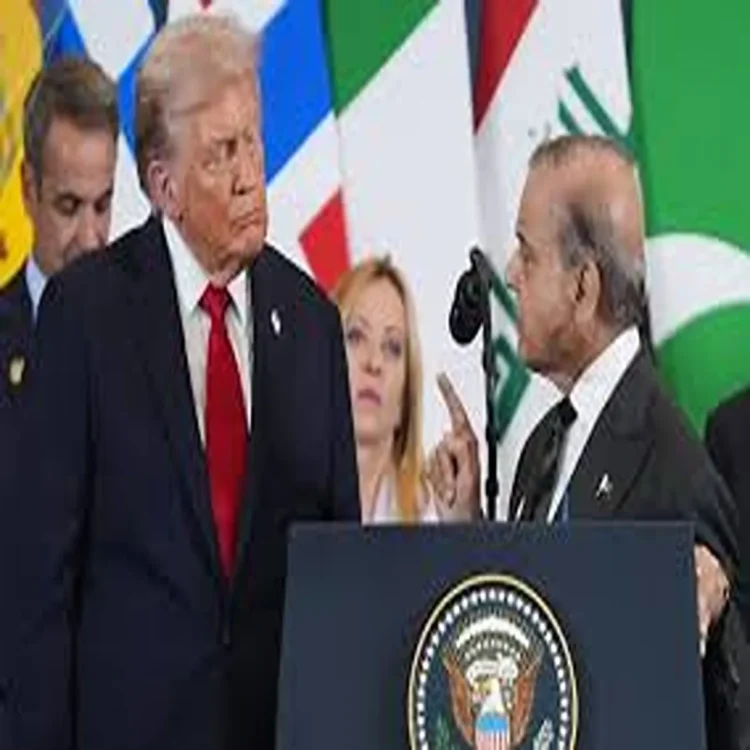
The remarks came during a Senate Appropriations Committee hearing, where Graham directly addressed US Defence Secretary Pete Hegseth about reports suggesting that Iranian military aircraft had been stationed at a Pakistani airbase. According to the senator, such actions would cast doubt on Pakistan’s ability to act fairly in discussions involving Tehran and Washington.
Concerns Raised During Senate Hearing
During the exchange, Graham expressed strong scepticism toward Islamabad’s intentions. He argued that if Pakistan had indeed permitted Iranian aircraft to remain on its military facilities, it would indicate a serious conflict with its claimed neutral role in diplomatic efforts involving Iran.
The South Carolina lawmaker said the reports, if accurate, could force the United States to reconsider who should participate in future mediation attempts. He also suggested that stalled progress in negotiations may be linked to conflicting regional interests.
Defence Secretary Pete Hegseth avoided directly commenting on the allegations during the hearing. Instead, he noted that he did not wish to interfere in sensitive diplomatic negotiations currently underway.
Social Media Remarks Add Pressure
Graham later expanded on his criticism through a post on X, where he stated that the allegations did not surprise him. Referring to earlier comments made by Pakistani defence officials regarding Israel, the senator indicated that Washington should closely examine Islamabad’s broader regional positioning.
He argued that any confirmed cooperation between Pakistan and Iran in military matters would significantly affect how the United States views Pakistan’s diplomatic credibility. The senator also hinted that such developments could influence future strategic partnerships in the region.
Reports of Iranian Aircraft Spark Debate
The controversy intensified after a report by CBS News claimed that several Iranian aircraft arrived at the Nur Khan Airbase near Rawalpindi shortly after President Donald Trump announced a ceasefire earlier this year.
The report emerged at a sensitive moment, as Pakistan had recently confirmed receiving peace-related proposals from Tehran intended to be communicated to American officials. Analysts noted that the situation created a contrast between Pakistan’s public diplomatic role and the allegations involving military coordination.
The claims quickly became a topic of discussion among foreign policy observers in both Washington and Islamabad, especially amid continuing tensions over Iran’s regional influence and nuclear ambitions.
Pakistan Rejects Allegations
Pakistan’s Foreign Office strongly denied the accusations, calling the reports misleading and exaggerated. Officials stated that the Iranian aircraft arrived only after ceasefire discussions had already begun and insisted that the visit had no connection to military protection or strategic coordination.
In its official response, Islamabad maintained that the reports were based on speculation and could damage efforts aimed at maintaining regional stability. Pakistani authorities also accused certain narratives of attempting to undermine ongoing diplomatic engagement in the Middle East.
The government has continued to position itself as a constructive participant in regional peace discussions while rejecting claims of secret military involvement.
Trump Maintains Cautious Negotiation Approach
Meanwhile, President Donald Trump has indicated that the United States is not rushing into any agreement with Iran. Speaking during an interview with TalkRadio 77 WABC in New York, Trump said existing economic restrictions on Tehran remain effective and provide Washington with leverage in negotiations.
The President stressed that preventing Iran from developing nuclear weapons remains a top priority for the United States. He expressed confidence that Tehran would eventually halt activities related to uranium enrichment and nuclear weapons development.
Trump also claimed that Iranian officials had privately signalled a willingness to move toward de-escalation, although no formal breakthrough has yet been announced.