
CubaPolicy – Rubio Raises Concerns Over Cuba’s Economic and Security Role
CubaPolicy – US Secretary of State Marco Rubio has described Cuba as a country facing deep economic difficulties while also presenting security concerns for the United States. Speaking before a congressional panel, Rubio said the island nation’s internal challenges and relationships with geopolitical rivals have become important issues for Washington’s foreign policy in the Western Hemisphere.
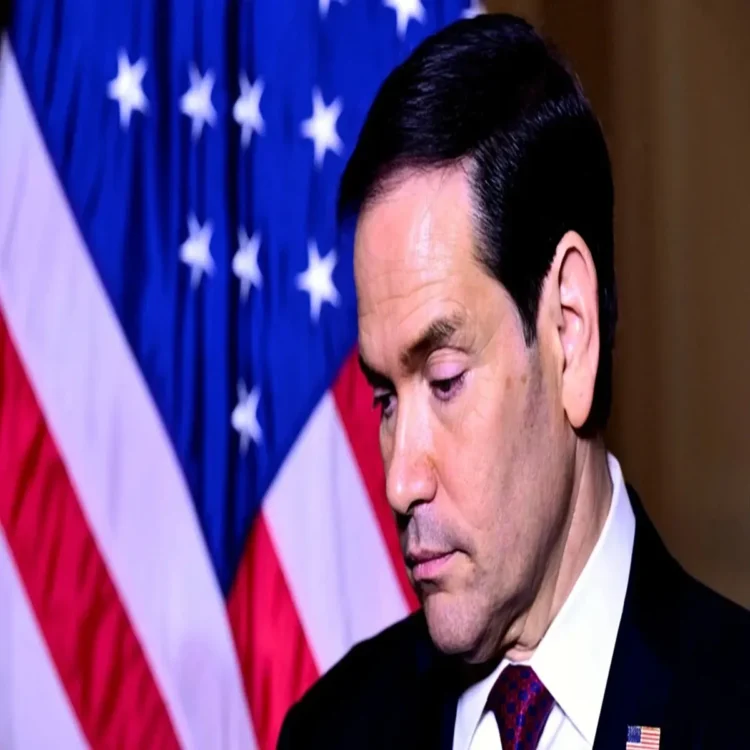
Rubio told members of the House Appropriations Subcommittee that Cuba is dealing with a prolonged economic downturn that has weakened state institutions and affected everyday life for its citizens. He argued that years of poor economic management have contributed to the country’s current situation and limited its ability to generate sustainable growth.
Developments in Cuba’s Economy
According to Rubio, the Cuban economic system continues to struggle despite the presence of significant state-controlled resources. He said many major sectors of the economy are influenced by organizations linked to the military rather than independent civilian bodies.
The Secretary noted that shortages of electricity and fuel remain common across the country. He also pointed to the migration of large numbers of Cubans over recent decades, saying the departure of skilled workers and professionals has placed additional pressure on the national economy.
Rubio stated that the loss of experienced workers and educated citizens has reduced the country’s human capital and created long-term challenges for economic recovery.
Security Concerns Highlighted by Washington
Beyond economic matters, Rubio emphasized what he described as growing security risks connected to Cuba’s international partnerships. He claimed that both China and Russia maintain intelligence-related operations on the island that are focused on gathering information concerning the southeastern United States.
Addressing lawmakers, Rubio said reports regarding such activities have circulated for years and continue to attract attention among American security officials. He argued that Cuba’s geographic location gives strategic value to foreign powers seeking to monitor developments in the region.
His remarks reflected ongoing concerns within Washington about the broader influence of rival nations in the Western Hemisphere and their expanding presence near US territory.
Claims Regarding Regional Influence
Rubio also accused Havana of maintaining links with groups and political movements that challenge governments viewed as friendly to the United States. He suggested that Cuban influence has historically appeared in various regional political disputes and periods of instability.
According to the Secretary, certain organizations operating across Latin America continue to benefit from connections that originate in Cuba. He argued that these relationships can contribute to pressure on democratic institutions and affect regional stability.
The Cuban government has previously rejected similar accusations from US officials, maintaining that its foreign policy supports national sovereignty and international cooperation.
Humanitarian Assistance Remains an Option
Despite his criticism of the Cuban government, Rubio said the United States remains prepared to support humanitarian programs aimed at helping ordinary Cuban citizens. He explained that Washington favors aid delivery systems managed by independent organizations rather than state-controlled channels.
The Secretary referenced proposals involving humanitarian assistance distributed through religious and non-governmental organizations, including the Catholic Church. He said such mechanisms could help ensure resources reach local communities directly.
Policy Framework Continues to Guide Relations
Rubio also noted that US policy toward Cuba remains shaped by existing legislation. He pointed to legal provisions, including those contained in the Helms-Burton Act, which continue to influence decisions related to sanctions and broader bilateral relations.
As debates over Cuba policy continue in Washington, Rubio’s remarks underscored the administration’s focus on both security considerations and humanitarian concerns while operating within the framework of current US law.