
Iran – Tensions Escalate as US Warns of Strikes on Key Infrastructure
Iran – US President Donald Trump on Monday issued a fresh warning to Iran, stating he is unconcerned about potential allegations of war crimes as he threatened severe military action if Tehran fails to meet a stated deadline regarding the Strait of Hormuz. Speaking at the White House, Trump signaled that critical infrastructure in Iran could be targeted within hours if negotiations do not progress.
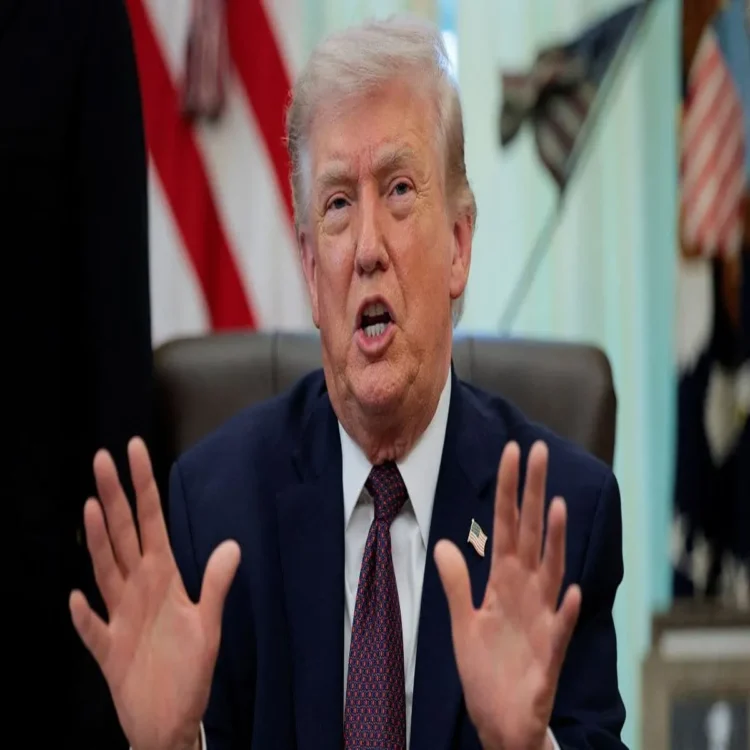
US Threatens Rapid Military Action
During his remarks, Trump said the United States could launch a large-scale operation aimed at Iran’s infrastructure, including bridges and power plants. He claimed such an operation could be completed in a matter of hours if ordered.
According to the president, the strikes would be decisive and aimed at crippling Iran’s essential facilities. He did not clarify whether civilian sites would be excluded, leaving uncertainty about the scope of any potential military response.
Iran Rejects Temporary Ceasefire Proposal
Iran dismissed a proposed 45-day ceasefire, instead calling for a permanent resolution to the conflict. Mojtaba Ferdousi Pour, who heads Iran’s diplomatic mission in Cairo, stated that Tehran would only consider ending hostilities if there were firm assurances against future attacks.
Iran’s position reflects ongoing mistrust and a demand for long-term security guarantees rather than temporary pauses in fighting.
Claims of Public Sentiment Inside Iran
Trump also claimed that intercepted communications suggested some Iranians were urging continued US military pressure, framing it as a desire for freedom. However, these assertions were not independently verified, and no additional evidence was presented during the briefing.
The comments add another layer of complexity to an already tense situation, as narratives about public sentiment inside Iran remain difficult to confirm.
Military Operations and Rescue Mission
The US president revealed that more than 170 American military aircraft were involved in a recent operation to recover the crew of a fighter jet that had gone down in Iran. Details about the incident and the circumstances surrounding the aircraft’s loss were not fully disclosed.
This large-scale deployment highlights the level of military engagement currently underway in the region.
Warning to Media Over Leak
In a separate statement, Trump criticized a media organization for reporting on a missing US pilot in Iran. He warned that the outlet could face legal consequences if it does not disclose its source, citing national security concerns.
The remarks raise questions about press freedom and the balance between security interests and the public’s right to information.
Ongoing Violence in the Region
The situation on the ground continues to deteriorate. On Monday, coordinated attacks by Israel and the United States reportedly resulted in more than 25 deaths in Iran. In response, Iran launched missile strikes targeting Israel as well as Gulf Arab nations.
The cycle of retaliation has heightened fears of a broader regional conflict, with both sides showing little indication of de-escalation in the immediate future.
Diplomatic Uncertainty Ahead
As the deadline set by the United States approaches, diplomatic efforts appear strained. Iran’s rejection of temporary solutions and Washington’s aggressive stance suggest that negotiations face significant hurdles.
Observers warn that without meaningful dialogue, the risk of further escalation remains high, potentially affecting global trade routes and regional stability.