
Hormuz – US Expands Iran Strikes After Fresh Shipping Security Concerns
Hormuz – The United States has launched a new series of military strikes against Iran, saying the action was intended to limit Tehran’s capacity to endanger commercial traffic in the Strait of Hormuz. Washington linked the operation to what it described as recent Iranian attacks on merchant vessels travelling through the strategically important waterway.
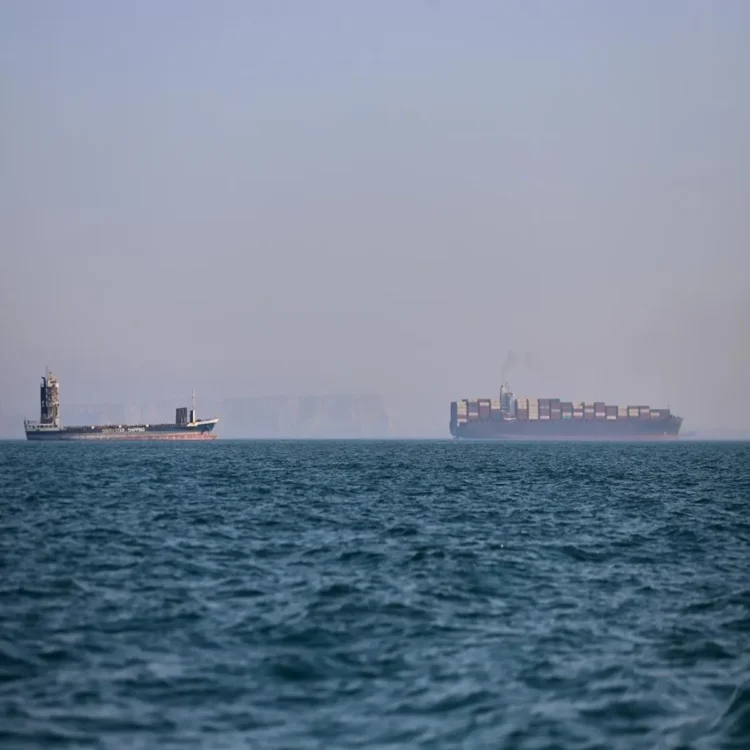
The latest strikes followed renewed tensions between the two countries and came amid growing concern over the safety of civilian crews and international shipping in the Gulf region.
Trump Signals Ceasefire May Have Collapsed
President Donald Trump said the already fragile ceasefire arrangement with Iran appeared to have broken down. He warned that any further action against commercial ships would bring a more forceful response from the United States.
In a social media post, Trump said Iran would face more serious consequences if vessels were targeted again. Speaking to reporters while returning to Washington from the NATO summit, he said Iranian officials had reached out to the US but questioned whether they would honour any agreement.
Trump also indicated that the United States expected any renewed confrontation to be limited in duration. He said the latest response was tied directly to reported attacks on ships operating in the area.
CENTCOM Cites Freedom of Navigation
US Central Command said the operation was authorised by the Commander in Chief and was designed to reduce Iran’s ability to threaten freedom of navigation in the Strait of Hormuz.
CENTCOM said the United States was holding Iran responsible for what it called unjustified aggression against commercial shipping and civilian personnel using an international maritime route. The command did not immediately provide a detailed account of the locations hit or the weapons used.
The new operation represented the second day in a row of US military action against Iranian targets connected to maritime security near the strait.
Reports of Explosions in Southern Iran
Iranian state media reported explosions in several parts of southern Iran, according to reporting cited by The New York Times. Areas mentioned included locations near Bandar Abbas, Sirik and Chabahar, though the reports did not provide full details about damage or casualties.
The strikes came after an earlier and larger round of US action in the region. Reports from The Washington Post and The Wall Street Journal said the previous operation involved more than 80 strikes against Iranian-linked military sites near the Strait of Hormuz.
A senior US official cited by The Wall Street Journal said missile and drone storage facilities around the Persian Gulf were among the targets. The Washington Post, citing CENTCOM, reported that air defence systems, command networks, coastal radar positions, anti-ship missile installations and more than 60 small boats linked to Iran’s Islamic Revolutionary Guard Corps were also targeted.
Oil Licence Decision Adds Economic Pressure
The military escalation occurred a day after Washington withdrew a licence that had permitted Iran to sell oil in international markets. The move removed an important economic element of the interim understanding that had been reached between the two sides.
The decision could add pressure to already difficult diplomatic efforts, particularly as both governments exchange conflicting signals about the possibility of a new agreement.
Global Energy Markets Watch Strait Closely
The Strait of Hormuz is one of the world’s most vital energy passages, carrying roughly one-fifth of globally traded oil. Even short disruptions in the narrow route can influence crude oil prices, shipping insurance costs and fuel supplies across major importing countries.
India and other large energy buyers are monitoring the situation closely because a prolonged disruption could affect oil imports and freight expenses. The latest developments have also renewed concerns about wider instability in the Gulf and its potential impact on global energy security.