
GlobalUnity – Iran Leadership Rejects Claims of Internal Divisions Amid Tensions
GlobalUnity – Iran’s leadership has issued a strong message of cohesion following reports in sections of the US media suggesting internal rifts within the country’s power structure. Officials in Tehran dismissed these claims, emphasizing that the nation remains united despite external narratives indicating otherwise.
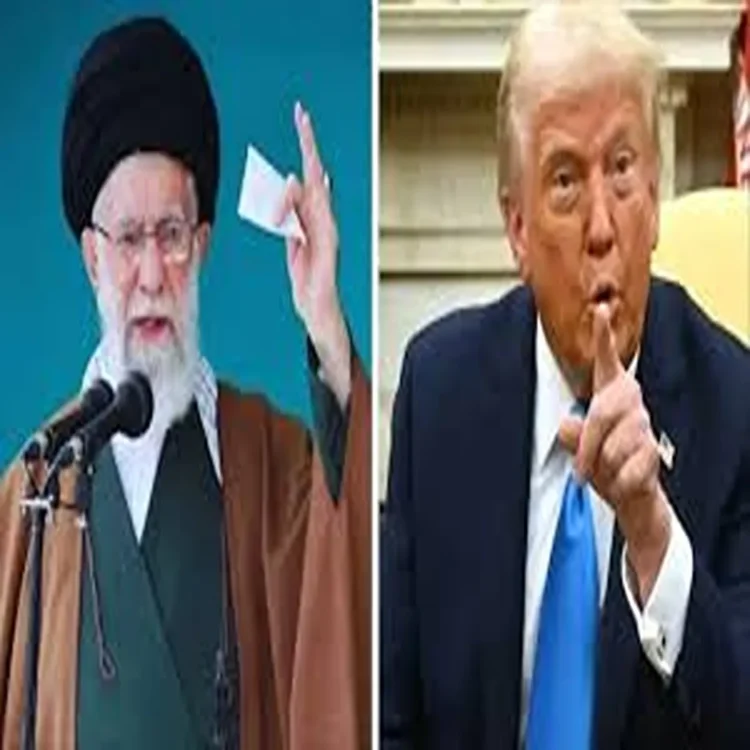
Leadership Responds With Unified Messaging
In a coordinated response, senior Iranian officials took to social media to reinforce the government’s position. A statement shared widely by multiple leaders stressed that allegations of factional divides were unfounded and politically motivated. The message highlighted that labels such as “hardliner” and “moderate” do not accurately represent the country’s political reality.
Several high-ranking figures, including the First Vice President and key cabinet members, echoed this sentiment. Their synchronized outreach appeared aimed at projecting stability and countering perceptions of discord within Iran’s governing system.
Parliament Speaker Emphasizes National Solidarity
Iran’s parliament speaker also contributed to the unified stance, underscoring the idea that all officials and citizens share a common national identity and purpose. In his remarks, he rejected any notion of ideological splits, asserting that the country’s leadership is aligned under a single vision.
He further stressed that Iran’s strength lies in its collective unity and adherence to its leadership framework. According to his statement, this cohesion would remain central in responding to external pressures and challenges.
Key Figures Highlighted in Government Communication
As part of its messaging strategy, the government released an image featuring prominent leaders, including the president, the parliament speaker, and the head of the judiciary. These individuals represent the highest tiers of authority within Iran’s political system.
The country’s leadership structure also includes the Supreme Leader, a position that holds significant influence over both political and military affairs. Recent developments regarding leadership transitions have drawn attention internationally, though details remain limited.
Role of Military and Power Structures
Iran’s military establishment, particularly the Islamic Revolutionary Guard Corps (IRGC), continues to play a crucial role in the nation’s governance. The IRGC operates alongside other institutions within a complex and layered system of authority.
Experts often describe Iran’s power structure as multifaceted, involving parallel military forces, intelligence networks, and decision-making channels. Beyond defense responsibilities, these institutions are also tasked with safeguarding the country’s political framework.
Analysts have noted that officials involved in diplomatic negotiations tend to maintain close alignment with influential military bodies, reflecting the interconnected nature of Iran’s governance.
US Statements Add to Diplomatic Context
Amid these developments, US President Donald Trump announced an extension of a ceasefire involving Iran. The decision, according to his statement, was influenced by concerns over internal dynamics within Iran’s leadership and requests from international stakeholders.
He indicated that the extension would provide additional time for Iranian authorities to present a cohesive approach to ongoing discussions. The announcement also referenced appeals from leaders in Pakistan, suggesting broader regional involvement in the situation.
Broader Implications for Regional Stability
The exchange of statements highlights the ongoing complexities in US-Iran relations and the broader geopolitical environment. While Tehran continues to assert internal unity, external observers remain focused on the country’s political structure and its implications for future negotiations.
For now, Iran’s leadership appears determined to project a consistent message: that despite external interpretations, the country’s governing institutions remain aligned and stable.