
GlobalTensions – Iran Sends Fresh Proposal to Ease Strait Crisis
GlobalTensions – In a notable diplomatic development, Iran has reportedly put forward a revised proposal to the United States through Pakistan, aiming to reduce escalating tensions in the region. According to details cited in a report, the proposal includes measures to reopen the Strait of Hormuz and move toward ending the ongoing conflict, raising cautious optimism about a possible shift in stalled negotiations.
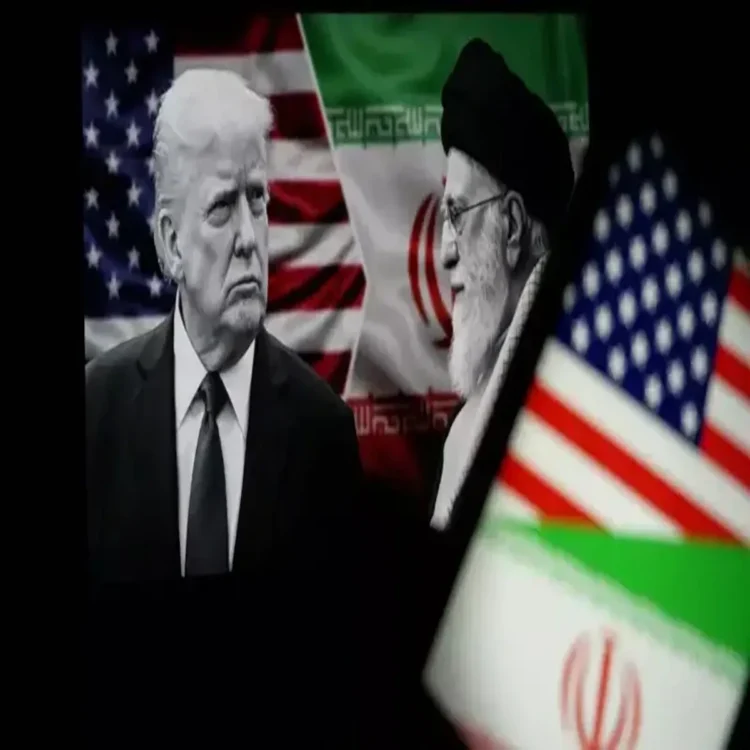
Diplomatic Efforts Resume Amid Stalled Dialogue
The latest outreach comes at a time when formal peace discussions have made little progress. Recent remarks from US President Donald Trump suggested that Washington remains open to communication, though only if Tehran initiates contact. At the same time, the US leadership continues to emphasize that Iran must not develop nuclear weapons under any circumstances.
However, earlier momentum toward direct engagement appeared to falter after the White House withdrew plans for a diplomatic visit to Islamabad involving senior envoys. That decision was widely interpreted as dissatisfaction with previous Iranian proposals, further complicating the already fragile diplomatic environment.
Core Disagreements Continue to Block Agreement
At the heart of the dispute lies Washington’s insistence that Iran suspend uranium enrichment activities for at least a decade and transfer its nuclear material outside the country. These demands have proven difficult for Tehran to accept.
Reports suggest that Iran’s Foreign Minister Abbas Araghchi has conveyed to mediators that there is currently no unified stance within Iran’s leadership regarding these conditions. This internal division has slowed the country’s ability to present a clear counteroffer, adding another layer of complexity to negotiations.
Two-Stage Plan Focuses on Maritime Stability First
The newly proposed framework reportedly outlines a phased approach to resolving the crisis. In the initial stage, the focus would be on easing maritime tensions by reopening the Strait of Hormuz and addressing the US naval blockade affecting Iranian ports.
The proposal includes options for either extending a ceasefire over a longer duration or reaching a permanent end to hostilities. Only after achieving stability in maritime routes would both sides begin addressing more sensitive issues, including nuclear negotiations.
Uncertainty Over US Response
While the proposal has reportedly reached Washington, it remains unclear whether US officials are prepared to consider it seriously. The administration’s hesitation reflects ongoing concerns about Iran’s broader strategic intentions, particularly regarding its nuclear and missile programs.
Recent comments from President Trump also indicate reluctance to engage in prolonged diplomatic travel, suggesting that remote communication could suffice if Iran is genuinely interested in negotiations. This stance highlights a preference for limited engagement rather than extensive diplomatic missions.
Regional Diplomacy Gains Momentum
In parallel with these developments, Iran has intensified its regional diplomatic efforts. Abbas Araghchi has been actively engaging with officials in Pakistan and Oman and is expected to continue discussions with Russian leadership. These efforts suggest that Tehran is seeking broader regional support to strengthen its negotiating position.
Despite these moves, skepticism persists in Washington regarding indirect diplomacy conducted through intermediaries, especially given the longstanding mistrust between the two countries.
Strategic Importance of the Strait of Hormuz
The Strait of Hormuz remains a critical factor in the ongoing dispute. As a key route for nearly one-fifth of the world’s oil supply, any disruption in this passage has immediate global economic consequences.
Iran’s control over the strait provides significant leverage, while the US naval presence in the region continues to exert pressure through blockades. This dynamic has contributed to fluctuations in global oil prices and heightened market uncertainty.
Deep Divisions Remain Despite Overtures
Although large-scale military actions have subsided since earlier strikes, a formal peace agreement has yet to be reached. The conflict has already caused widespread human and economic losses, underscoring the urgency of a resolution.
Iran has indicated that the removal of maritime restrictions must precede any meaningful negotiations. It has also called for compensation, legal adjustments governing the strait, and guarantees against future military action.
On the other hand, the United States remains focused on limiting Iran’s nuclear capabilities, missile development, and regional alliances. These fundamentally different priorities continue to create significant obstacles, even as both sides explore potential pathways toward de-escalation.