
Geopolitics – Trump Presses Allies to Share Strait of Hormuz Security Burden
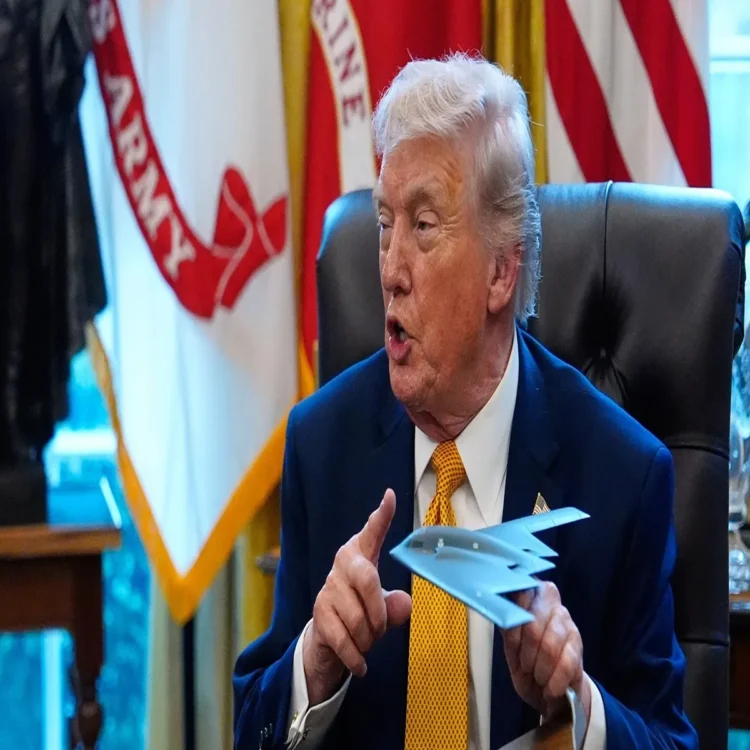
Geopolitics – President Donald Trump has called on key international partners to take a more active role in securing the Strait of Hormuz, a crucial maritime route for global oil shipments. Speaking to reporters, he emphasized that the responsibility of safeguarding the waterway should not fall solely on the United States, pointing instead to the heavy dependence of other economies on the passage.
Shared Responsibility for Vital Oil Route
Trump highlighted that several regions, including Europe and major Asian economies such as Japan, South Korea, and China, rely significantly on the strait for their energy supplies. He argued that these nations should step forward to ensure its security, describing the situation as a collective global obligation rather than a unilateral task for Washington.
According to him, the United States does not depend on the strait to the same extent, reinforcing his stance that other countries have a stronger incentive to act. His remarks suggest a shift toward encouraging broader international participation in maintaining stability in critical trade corridors.
Military Effort Requires Coordination
The president described the potential reopening and securing of the strait as a manageable military operation but noted that it would require extensive coordination and resources. He stressed the need for a large-scale effort involving multiple naval forces, highlighting the importance of cooperation among allied nations.
Trump also expressed disappointment with NATO, suggesting that the alliance has not yet demonstrated sufficient initiative in addressing the situation. He indicated that stronger action from the group could significantly contribute to stabilizing the region.
Indo-Pacific Allies Urged to Act
In addition to NATO members, Trump pointed to Indo-Pacific partners such as South Korea and Australia, urging them to become more involved. He conveyed surprise at what he described as their limited engagement so far, emphasizing that their participation would be both logical and necessary given their economic interests.
This appeal reflects broader expectations from the United States for allies in the region to take on more responsibility in addressing global security challenges, particularly those that directly affect energy markets and trade routes.
Firm Rejection of Ceasefire Calls
Amid growing international calls for de-escalation in the ongoing conflict with Iran, Trump made it clear that the United States is not considering a ceasefire at this stage. He argued that halting military operations while progress is being made would be counterproductive.
The president portrayed Iran’s military capabilities as significantly weakened, stating that its naval and air power have been severely diminished. He suggested that the current campaign is advancing effectively and moving closer to its intended goals.
Economic Concerns and Market Impact
Addressing concerns about potential economic repercussions, including fluctuations in oil prices and global market instability, Trump downplayed the risks. He noted that while some increase in oil prices was anticipated, the rise has not been as sharp as expected.
His remarks indicate confidence that the situation can be managed without causing major disruptions to the global economy. At the same time, they underscore the administration’s focus on strategic objectives over short-term market reactions.
Operation Progressing Ahead of Expectations
Trump concluded by expressing optimism about the pace of the ongoing military efforts. He stated that operations are progressing faster than initially projected, suggesting that developments on the ground have exceeded expectations.
This assessment reflects the administration’s belief that its approach is yielding results, even as international observers continue to monitor the broader implications of the conflict and its impact on global stability.