
Flex-Fuel Vehicles – India Advances Toward Cleaner and Affordable Mobility Solutions
Flex-Fuel Vehicles – India is taking significant steps toward expanding cleaner fuel transportation options as the government explores measures to encourage the adoption of flex-fuel vehicles across the country.
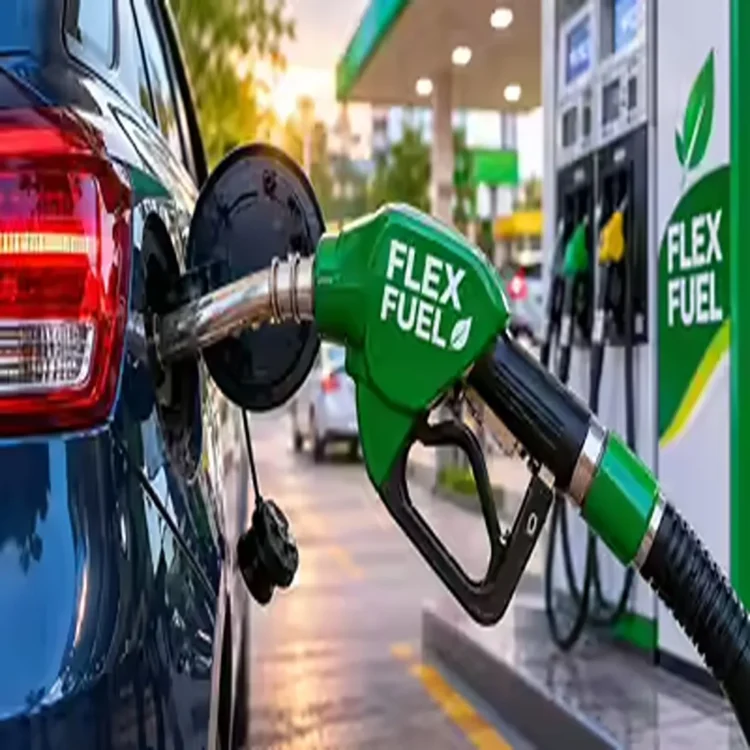
Union Petroleum and Natural Gas Minister Hardeep Singh Puri on Wednesday highlighted the government’s commitment to supporting the wider use of flex-fuel vehicles through favorable policy measures. Speaking during the launch of Hero MotoCorp’s first flex-fuel motorcycles in New Delhi, the minister said the country is evaluating various options, including fuel pricing support and targeted financial incentives, to make the transition more affordable for consumers.
Flexible Fuel Technology Gains Momentum
Addressing the gathering, Puri noted that India’s future transportation ecosystem will rely on a combination of electric vehicles, biofuels, hydrogen-powered solutions, and renewable energy technologies. However, he emphasized that flex-fuel vehicles provide an immediately practical option for reducing dependence on imported crude oil while supporting environmental goals and rural economic development.
The event was also attended by Union Minister for Road Transport and Highways Nitin Gadkari, who has consistently advocated alternative fuel technologies to strengthen India’s energy independence.
Hero MotoCorp Introduces New Ethanol-Compatible Models
The launch featured Hero MotoCorp’s Splendor+ and HF Deluxe motorcycles equipped with flex-fuel technology. These vehicles are capable of operating on ethanol blends ranging from E20 to E85, supported by upgraded fuel systems, specialized engine calibration, and components designed specifically for higher ethanol concentrations.
According to Puri, the introduction of these motorcycles marks a major milestone in India’s journey toward large-scale flex-fuel mobility. He described the development as a significant chapter in the country’s energy transition, particularly because the vehicles have been developed with a strong focus on domestic manufacturing.
Opportunity Within India’s Massive Two-Wheeler Market
India possesses one of the world’s largest two-wheeler markets, with more than 300 million active motorcycles and scooters on the road. Industry experts believe that introducing flex-fuel technology into this segment could create a substantial impact due to the sheer scale of vehicle ownership across the country.
The minister pointed out that Hero MotoCorp has maintained its position as the world’s largest manufacturer of motorcycles and scooters for 25 consecutive years and currently commands nearly 29 percent of the domestic market. This extensive reach could help accelerate the adoption of ethanol-based transportation solutions.
Reducing Oil Imports and Supporting Farmers
Puri underlined the economic importance of reducing India’s dependence on imported crude oil, noting that nearly 88.5 percent of the country’s oil requirements are sourced from overseas markets. Such dependence exposes the economy to fluctuations caused by international geopolitical developments.
He also highlighted the progress achieved through the ethanol blending program. Ethanol blending levels increased from just 1.4 percent in 2014 to 20 percent, reaching the government’s target years ahead of schedule. According to official figures, this initiative has contributed to significant foreign exchange savings, reduced crude oil consumption, lowered carbon emissions, and generated substantial income for farmers through increased ethanol production.
Consumer Benefits Expected from Lower Fuel Costs
The minister explained that E85 fuel will be available at designated fuel stations and is expected to be priced considerably lower than conventional petrol. Studies indicate that competitive fuel pricing could help consumers achieve ownership cost parity relatively quickly compared with traditional fuel options.
Puri also presented estimates showing that even a modest shift toward E85-powered vehicles could generate millions of litres of additional ethanol demand, deliver foreign exchange savings, reduce crude oil imports, lower carbon emissions, and create new income opportunities for farmers. He said the benefits could become significantly larger as adoption expands throughout India’s extensive two-wheeler network.