
Finance – Brazil Raises Concerns Over Possible US Action Against Crime Networks
Finance – Brazilian officials are preparing for discussions with their American counterparts this week after concerns emerged over a proposal that could classify major Brazilian criminal groups as international terrorist organizations. Authorities in Brasília fear that such a move could create economic and financial consequences extending beyond law enforcement matters.
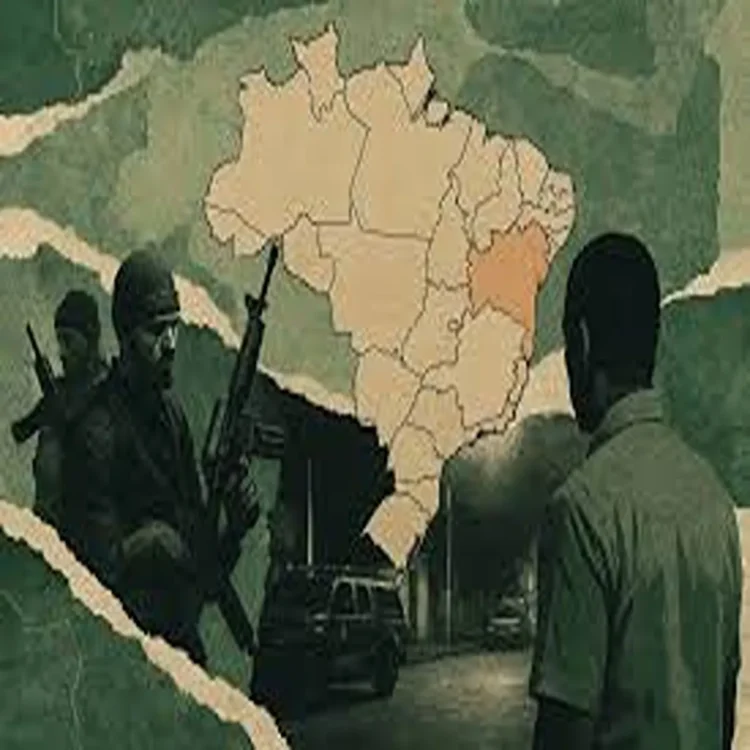
Government Plans Talks With US Officials
Speaking on Monday, Brazilian Finance Minister Dario Durigan confirmed that meetings with US authorities are scheduled in the coming days. The talks will focus on the possible designation of two notorious criminal organizations, Primeiro Comando da Capital (PCC) and Comando Vermelho, under terrorism-related classifications used by the United States.
According to Durigan, the issue is not limited to security concerns. He warned that the decision could trigger sanctions and regulatory measures that may affect Brazil’s financial sector, including institutions connected to the country’s digital payment infrastructure.
Concerns Over Impact on Pix System
One of the government’s main concerns involves Pix, the instant payment platform operated by Brazil’s central bank. Since its launch, Pix has become the preferred payment method for millions of Brazilians, offering free and immediate transfers for individuals and businesses.
Durigan stated that any restrictions arising from a terrorism designation could indirectly affect the operation of financial entities linked to the platform. Such a scenario, he said, would raise broader questions about Brazil’s financial independence and the stability of its payment ecosystem.
The minister emphasized that protecting Pix remains a priority for the government as it seeks to avoid any disruption to a system that has become central to everyday economic activity across the country.
Disagreement Over Legal Classification
While acknowledging the significant role these criminal groups play in organized crime, Durigan argued that they do not fit the legal standards required for classification as international terrorist organizations under US law.
He noted that the groups are responsible for violence, intimidation, and disruption of public services in several regions of Brazil. However, he maintained that their activities do not involve attacks against the United States or actions targeting American sovereignty.
Brazilian officials believe that applying terrorism-related rules in this case would stretch the interpretation of existing legal criteria beyond their intended scope.
Trade Dispute Adds to Tensions
The finance minister also linked the issue to broader trade disagreements between the two countries. He pointed to an investigation launched by the United States under Section 301, a mechanism often used to examine claims of unfair trade practices by foreign nations.
According to Durigan, Pix has been included among the concerns raised by US authorities, alongside other matters related to bilateral commerce. Brazilian officials have repeatedly rejected allegations that the country engages in unfair trade practices, arguing that such claims lack sufficient technical evidence.
Economic Implications Under Review
The discussions come amid continued sensitivity in trade relations between the two economies. Durigan expressed concern that additional measures from Washington could place new pressure on Brazil’s economy.
His remarks also recalled the period following tariffs imposed on Brazilian exports by US President Donald Trump in August 2025. Those duties, set at 50 percent, remained in effect for nearly four months and created challenges for several export-oriented industries.
As negotiations continue, Brazilian authorities are focused on minimizing potential economic risks while defending the country’s financial systems and commercial interests.