
EnergySecurity – BRICS Ministers Discuss Global Instability and Fuel Supply Risks
EnergySecurity – BRICS foreign ministers gathered in New Delhi on Thursday as India raised concerns over growing geopolitical tensions, rising energy uncertainty, and disruptions affecting the global economy.
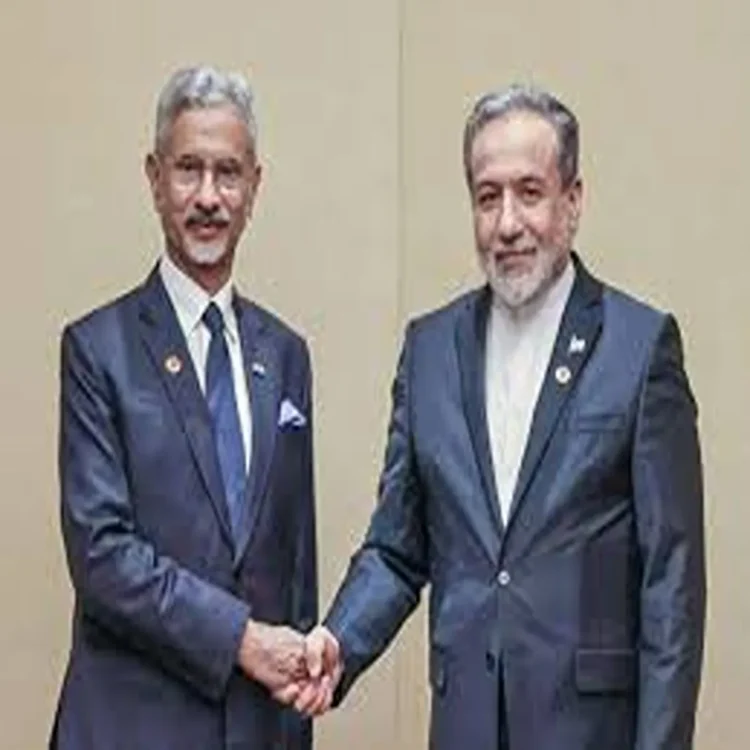
The two-day meeting of the BRICS foreign ministers comes at a time when conflict in the Middle East, particularly involving Iran, has increased pressure on global fuel supplies and shipping routes. India, currently chairing the BRICS grouping, hosted representatives from both long-standing and newly added member nations, including Iran, Saudi Arabia, and the United Arab Emirates.
India Highlights Rising Global Challenges
Opening the discussions, Indian External Affairs Minister Subrahmanyam Jaishankar said the international environment was undergoing a period of major uncertainty. He pointed to continuing conflicts, economic instability, and concerns surrounding trade, technology, climate policy, and supply chains as factors reshaping global relations.
Jaishankar said many developing countries were increasingly looking toward BRICS to contribute to stability and cooperation during uncertain times. He also stressed that development-related issues remained a key concern for several nations dealing with rising costs linked to food, health services, fertilisers, and energy imports.
The meeting included participation from Iranian Foreign Minister Abbas Araghchi and Russian Foreign Minister Sergei Lavrov, among other senior officials from the expanded bloc.
Energy Markets Face Continued Pressure
Ongoing tensions in the Gulf region and repeated disruptions around the Strait of Hormuz have added volatility to oil and gas markets in recent months. The strategic waterway remains critical for global energy transportation, particularly for countries heavily dependent on imported crude oil.
India, one of the world’s largest oil importers, relies significantly on shipments passing through the Strait of Hormuz. The current instability has increased concerns over supply continuity and fuel prices, creating additional pressure on the country’s economic outlook.
Officials and trade analysts have observed that India has responded by diversifying its energy purchases and strengthening supply arrangements with multiple partners. Russian crude oil has continued to play a major role in meeting India’s energy needs despite earlier efforts to reduce dependence on those imports amid Western sanctions and tariff pressures.
India and Russia Hold Bilateral Discussions
Ahead of the BRICS meeting, Jaishankar held separate talks with Lavrov in New Delhi on Wednesday evening. According to remarks shared during the interaction, the discussions covered areas such as trade, connectivity, investment, and energy cooperation.
Jaishankar described political cooperation between India and Russia as increasingly important in what he called a volatile international environment. The talks reflected India’s continued effort to maintain strategic relationships while navigating shifting global alliances and economic pressures.
Expanded BRICS Bloc Gains Greater Influence
BRICS was formed in 2009 by Brazil, Russia, India, China, and South Africa as a platform for major emerging economies seeking stronger representation in global institutions traditionally dominated by Western powers.
Over the years, the group has widened its membership in an attempt to increase its political and economic influence. The expanded bloc now includes Egypt, Ethiopia, Iran, Saudi Arabia, Indonesia, and the United Arab Emirates.
Chinese Foreign Minister Wang Yi was not present at the New Delhi meeting due to ongoing diplomatic engagements involving US President Donald Trump in Beijing.
India is expected to host the BRICS leaders’ summit later this year, where heads of government from member countries are likely to discuss economic cooperation, global trade reforms, and geopolitical developments.
Uncertainty Over Joint Statement
Despite the broader agenda, differences among member states on international conflicts and foreign policy positions may complicate efforts to issue a unified joint declaration at the end of the ministerial gathering.
Indian foreign ministry spokesperson Randhir Jaiswal said discussions were ongoing and indicated that further details would be shared as the meetings progressed.