
Education – India Urges Global Action to Protect Children’s Learning During Conflicts
Education – Education should remain accessible even in times of war, India has urged, while calling for stronger accountability against those responsible for attacks on children and educational institutions during armed conflicts.
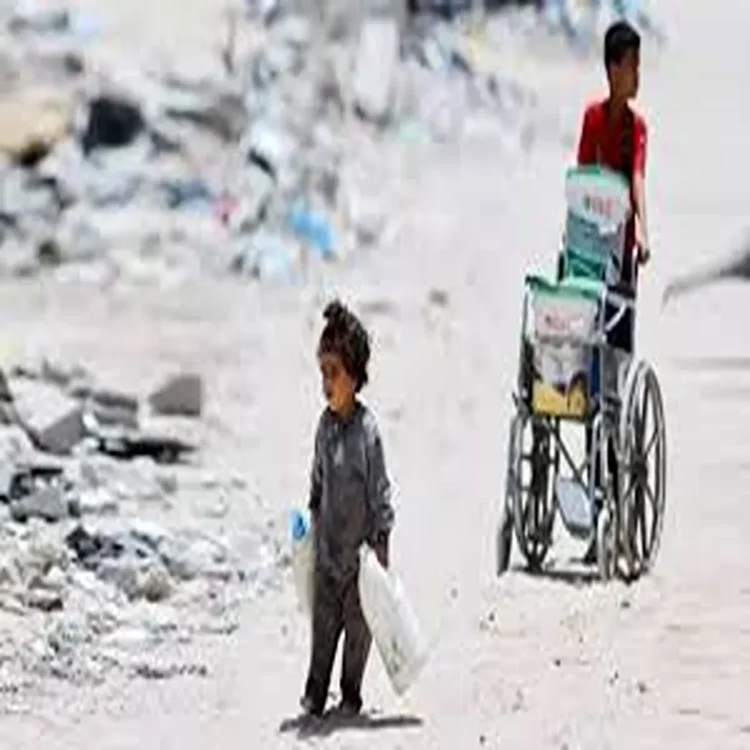
India Calls for Greater Accountability at UN Security Council
India has urged the international community to ensure strict accountability for individuals and groups responsible for targeting schools and children during armed conflicts. Speaking at a United Nations Security Council open debate in New York focused on protecting education for children affected by war, India’s Permanent Representative to the UN, Ambassador Harish Parvathaneni, stressed that safeguarding education cannot be separated from ensuring justice for violations committed during conflicts.
He said access to education remains a fundamental right regardless of conflict situations and described learning as one of the strongest foundations for achieving lasting peace. According to him, protecting children means enabling them to continue learning, develop their abilities, and build a secure future even under difficult circumstances.
Rising Violence Against Children Raises Global Concern
Referring to the latest report released by the UN Secretary-General on Children and Armed Conflict, India highlighted the alarming increase in violence affecting children worldwide. The report documented 38,558 verified grave violations during 2025, impacting 24,174 children. Among those affected were 15,493 boys, 7,990 girls, while the gender of 691 children could not be confirmed.
The report described 2025 as the worst year recorded since the monitoring mandate began, with the number of children experiencing multiple serious violations also increasing compared to the previous year. India noted that these figures underline the widening humanitarian crisis faced by children living in conflict-affected regions.
Attacks on Schools Continue to Increase
During the discussion, Ambassador Parvathaneni pointed out that attacks on schools rose by 44 percent over the past year. He warned that nearly 473 million children—more than one in every six children globally—either live in conflict zones or have been forced to flee them. More than 85 million of these children currently lack access to education.
He described these statistics as evidence that global commitments to protect children have yet to translate into meaningful action on the ground. He also stressed that those responsible for attacks against schools and children should not escape accountability, as protection without justice remains incomplete.
UN Report Highlights Humanitarian Challenges
According to the UN report, many parties involved in armed conflicts continued violating international humanitarian and human rights obligations with little accountability. Government forces were identified as being responsible for a significant share of serious violations, including attacks resulting in the killing or injury of children, assaults on schools and hospitals, and restrictions on humanitarian assistance.
The report warned that these actions continue to place children at disproportionate risk while disrupting essential services needed for their safety, education, and overall well-being.
India Highlights Domestic Education Initiatives
Presenting India’s domestic efforts, Ambassador Parvathaneni noted that the Right to Education is protected as a fundamental constitutional right, ensuring free and compulsory education for children up to 14 years of age.
He also highlighted DIKSHA, India’s national digital platform for school education, which provides multilingual learning resources, interactive educational material, and technology-enabled tools designed to improve access to quality education across the country.
Digital Learning and International Support
India said its experience during the Covid-19 pandemic demonstrated how digital education can help maintain learning when traditional classrooms become inaccessible. The ambassador noted that technology can play a vital role in supporting education for children living in conflict-affected areas.
He added that India has consistently invested in educational opportunities for refugees and displaced communities while also supporting the reconstruction of schools and vocational training centres in several neighbouring countries. According to him, continued investment in education strengthens resilience, supports recovery, and helps communities rebuild after conflict.