
Drought – Somalia Faces Escalating Hunger Crisis Amid Severe Dry Conditions
Drought – Somalia is facing one of its harshest humanitarian crises in recent years as prolonged drought, rising food prices, and shrinking international aid continue to push millions of people toward extreme hunger and displacement.
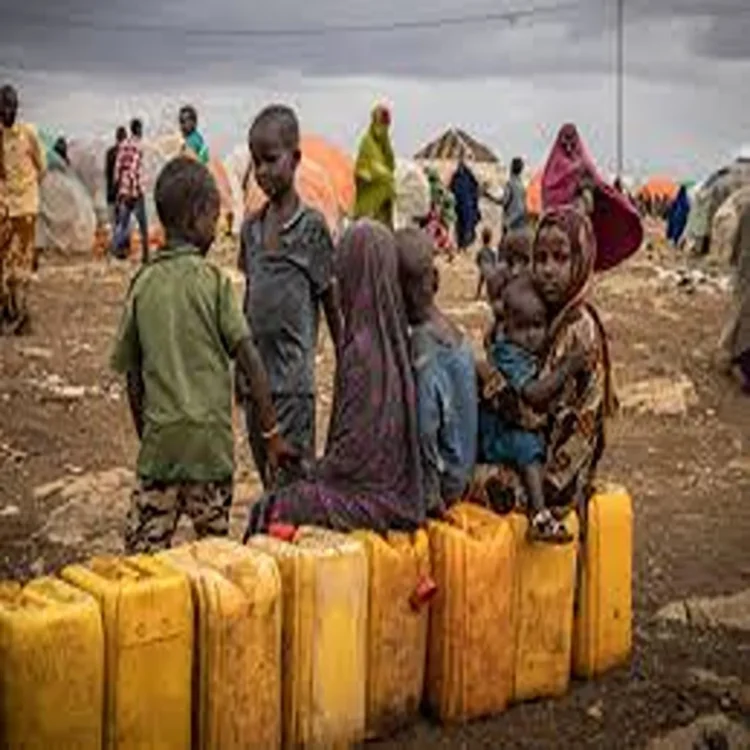
For families living in rural parts of Somalia, survival has become increasingly difficult after years of failed rainfall. In central regions of the country, many herders and farmers have lost nearly everything they depended on for income and food. Among them is 70-year-old livestock owner Abdi Ahmed Farah, who said he never imagined seeing such prolonged dry weather in his lifetime.
Farah has already lost most of his goats after repeated drought seasons destroyed grazing land and water sources. The few animals that remain are weak and difficult to sell. His family now survives on a single daily meal consisting mainly of rice, oil, and sugar. With limited nutrition available, even basic needs have become a struggle for the household, including for his newborn child.
Worsening Drought Deepens National Food Emergency
Large areas of Somalia are experiencing severe water shortages after consecutive poor rainy seasons. Rivers in some regions have dried up completely, while staple crops such as maize and sorghum have failed at historically high levels, according to humanitarian agencies.
Aid organizations warn that the current drought could rank among the most damaging climate disasters Somalia has ever experienced. Experts say millions of people are now living under crisis-level food insecurity, with children facing the highest risks.
The United Nations estimates that nearly one-third of Somalia’s population is dealing with severe hunger conditions. UNICEF has also raised concerns that hundreds of thousands of children could suffer from severe acute malnutrition, a life-threatening condition caused by extreme lack of food.
Aid Cuts and Rising Costs Increase Pressure
The humanitarian emergency has become more complicated because of declining international financial support and rising living costs. Somalia depends heavily on imported food and fuel, making the country vulnerable to global economic shocks and regional instability.
Relief organizations say funding shortages have significantly limited their ability to respond. The World Food Program stated that although it planned to assist millions of people this year, budget constraints have reduced the number of families receiving support.
Humanitarian workers operating in Puntland and other drought-hit areas say water prices have surged sharply. Basic food items such as flour have also become far more expensive, placing additional pressure on already struggling communities.
Rural Communities Struggle to Survive
In villages dependent on livestock and farming, economic activity has nearly stopped. Community leaders report that local shops are closing because residents no longer have money to buy supplies.
Some families have resorted to drinking unsafe rainwater collected in temporary puddles after brief showers. Health workers say this has led to increasing cases of fever, diarrhea, and other illnesses, particularly among children.
Parents are also being forced to make difficult decisions regarding education and healthcare. Many families sold their animals to cover school costs, but worsening poverty has left schools without payments and teachers have abandoned classrooms in several rural areas.
Displacement Continues Across Somalia
The drought has added to Somalia’s long-running displacement crisis caused by decades of conflict and insecurity. Thousands of families have left their villages in search of food, water, and humanitarian assistance.
Relief groups say displaced families often travel for days across difficult terrain carrying limited supplies. Camps outside towns and cities continue to expand as new arrivals seek shelter and emergency aid.
Women and children remain among the most vulnerable. In several displacement camps, mothers reported having little or no food available for their children. Access to clean drinking water is also limited, increasing the risk of disease outbreaks and worsening malnutrition.
Hospitals Prepare for More Malnutrition Cases
Medical centers treating severely malnourished children are struggling with limited supplies. Health workers in Puntland said therapeutic milk and specialized nutrition products are frequently unavailable because of funding shortages.
Doctors expect admissions to rise further as more displaced families reach urban areas. Many children arriving at treatment centers show signs of advanced malnutrition, including extreme weight loss and dehydration.
Humanitarian agencies are warning that without urgent international support, Somalia could face an even larger catastrophe in the coming months. Relief officials say the scale of the current response remains far below what was provided during previous drought emergencies despite growing humanitarian needs across the country.