
Diplomacy – Russia Urges Restraint Amid Rising Gulf and Global Tensions
Diplomacy – Russia has called for caution and renewed diplomatic engagement as tensions continue to rise in the Middle East. During a recent phone conversation, Russian Foreign Minister Sergei Lavrov and his Iranian counterpart Abbas Araghchi discussed the evolving regional situation, with Moscow stressing the importance of avoiding any escalation into open conflict.
Moscow Advocates Political Solutions Over Military Action
According to Russia’s Foreign Ministry, Lavrov underscored that the current crisis cannot be resolved through force. He emphasized that preventing a return to armed confrontation should remain a top priority. Moscow also reiterated its willingness to play a constructive role in facilitating dialogue aimed at long-term stability.
Russia pointed to its earlier proposal for a comprehensive regional security framework in the Persian Gulf. The initiative seeks participation from all coastal nations, along with support from external countries that can contribute positively to diplomatic negotiations. The aim is to address underlying tensions through cooperation rather than confrontation.
Iran Raises Concerns Over US Activities
During the exchange, Araghchi provided details of recent discussions between Iran and the United States held in Islamabad on April 11. He expressed concern over Washington’s actions in sensitive maritime zones, particularly in the Persian Gulf and the Strait of Hormuz.
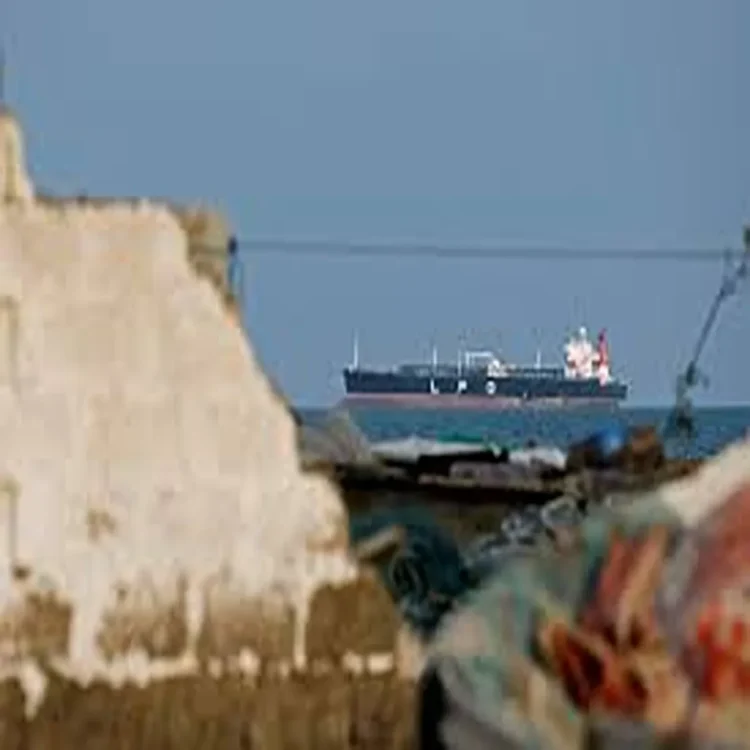
Iranian officials have warned that increased military or strategic activity in these waters could have far-reaching consequences, not only for the region but also for global stability. The Strait of Hormuz remains one of the world’s most critical energy transit routes, making any disruption a matter of international concern.
Continued Diplomatic Engagement Encouraged
Russia welcomed Iran’s commitment to maintaining diplomatic efforts despite the challenges. The Foreign Ministry highlighted the importance of addressing the root causes of the conflict, noting that sustainable peace can only be achieved through inclusive negotiations that consider the interests of all regional players.
Moscow’s position reflects a broader call for multilateral cooperation, particularly at a time when geopolitical tensions are affecting both regional security and global economic conditions.
Condolences and Diplomatic Sensitivity
Lavrov also conveyed condolences to his Iranian counterpart over the reported death of a senior Iranian diplomatic figure in an airstrike. The gesture highlighted the sensitive nature of the current situation and the human cost associated with ongoing tensions.
Such developments further underline the urgency of reducing hostilities and preventing further escalation.
Russia Expands Talks with China on Global Issues
Meanwhile, Lavrov has begun a two-day official visit to China, where discussions are expected to cover a wide range of topics, including bilateral cooperation and pressing international issues. Talks with Chinese Foreign Minister Wang Yi are set to focus on coordination within global forums such as the United Nations, BRICS, and the G20.
The agenda also includes detailed discussions on ongoing conflicts, including the situation in Ukraine and developments in West Asia. The visit signals continued efforts by both countries to align their positions on key global challenges.
Concerns Over Economic Impact of Maritime Tensions
Adding to the concerns, Kremlin spokesperson Dmitry Peskov indicated that potential disruptions in the Strait of Hormuz could negatively affect global markets. While details surrounding recent US actions remain unclear, he acknowledged that such developments are likely to have economic consequences.
The United States has announced plans to enforce a maritime blockade targeting vessels linked to Iranian ports, beginning April 13. This move follows stalled negotiations between Washington and Tehran, particularly over Iran’s nuclear program.
As tensions persist, the international community continues to watch closely, with many urging restraint and renewed dialogue to prevent further instability in an already volatile region.