
Diplomacy – Israel and Iran Exchange Strikes as Regional Tensions Rise
Diplomacy – A fresh wave of military action between Israel and Iran has intensified concerns across the Middle East, drawing global attention to the fragile security situation and the future of ongoing diplomatic efforts. Israeli military leaders have been closely overseeing operations from a central command facility as the latest exchange of strikes marked a significant escalation between the two countries.
Israeli Military Leadership Oversees Operations
According to statements released by the Israeli Air Force, senior military officials, including Chief of Staff Lieutenant General Eyal Zamir and Air Force Commander Major General Omer Tishler, spent several hours directing and assessing operations from the Air Force Operations Center. The command team reportedly monitored developments in real time while coordinating military actions linked to targets inside Iran.
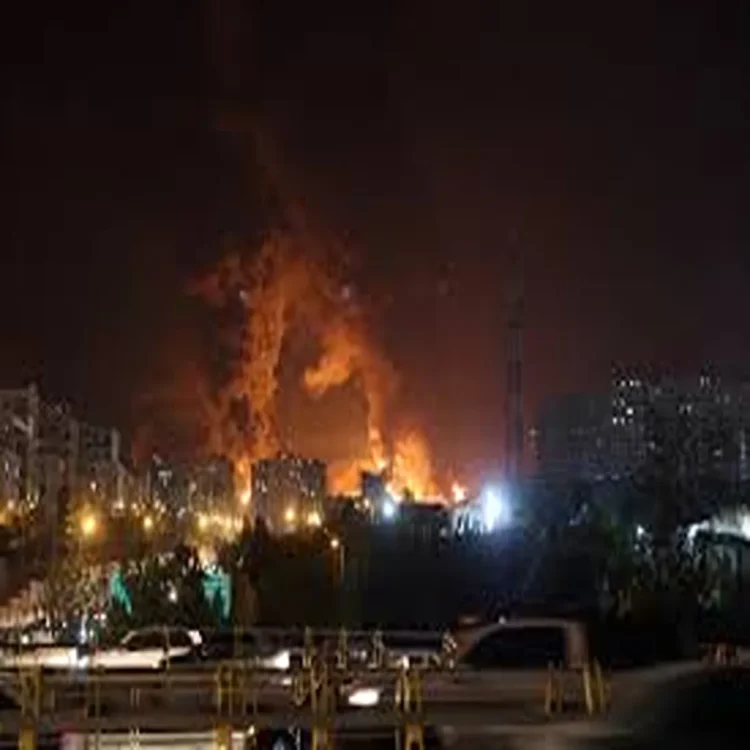
The developments unfolded as reports emerged of explosions and military activity in several Iranian cities, including Tehran, Isfahan, and Tabriz. Israeli officials emphasized that the armed forces remain prepared for additional challenges and are maintaining a heightened level of readiness across multiple fronts.
Exchange of Attacks Ends Period of Relative Calm
The latest confrontation is being viewed as the most direct military clash between Israel and Iran since a ceasefire took effect earlier this year. The renewed hostilities followed a series of events that began with Israeli military actions in the Beirut region over the weekend.
In response, Iran launched a volley of ballistic missiles toward northern Israel, prompting emergency warning systems and security alerts across affected areas. Israeli forces later carried out retaliatory strikes, further escalating tensions between the two regional rivals.
Iranian officials confirmed missile-related operations, while Israeli authorities stated that defensive systems were activated to counter incoming threats. Both sides have accused each other of provoking the latest round of violence.
Impact Felt Beyond the Battlefield
The renewed conflict quickly affected international markets, particularly the energy sector. Oil prices moved sharply higher as traders reacted to fears that instability in the region could disrupt critical supply routes and broader economic activity.
Market analysts noted that benchmark crude prices climbed significantly during early trading, reflecting investor concerns over the security of key transportation corridors and the possibility of a wider regional conflict.
Diplomatic Efforts Face New Challenges
The military escalation comes at a sensitive moment for diplomatic initiatives led by the United States. Washington has been working to encourage negotiations aimed at reducing tensions and establishing a broader framework for regional stability.
US President Donald Trump recently stated that the latest military actions would not derail ongoing discussions. While expressing confidence that negotiations remain active, he acknowledged uncertainty regarding the final outcome. Trump also reiterated his belief that diplomatic engagement remains the preferred path forward.
Reports from US officials indicated that Washington had urged restraint in recent communications with Israeli leadership. The administration has reportedly sought to prevent further escalation while preserving momentum in negotiations involving Iran.
Lebanon Remains a Major Point of Disagreement
One of the most difficult issues in the broader negotiations continues to be the situation in Lebanon. Israeli officials have maintained that operations targeting Hezbollah should be treated separately from any wider diplomatic arrangements. Iranian leaders, however, argue that developments in Lebanon are directly connected to any long-term understanding involving regional security.
The disagreement has complicated efforts to secure a lasting settlement, particularly as military activity involving Hezbollah and Israeli forces continues along multiple fronts.
Uncertainty Surrounds Future Developments
Despite ongoing diplomatic contacts, both military and political leaders appear to be preparing for multiple scenarios. Israel has signaled that it will continue responding to security threats, while Iranian officials have warned that further actions could trigger additional consequences.
The situation remains fluid, with international observers closely monitoring developments. As military operations continue and negotiations face growing pressure, the coming days may prove crucial in determining whether diplomacy can regain momentum or whether the region moves toward a deeper confrontation.