
Diplomacy – Iran Signals Strong Response if Beirut Faces Military Strike
Diplomacy – Iran has issued a firm warning against any potential military action targeting Lebanon’s capital, Beirut, with Foreign Minister Seyed Abbas Araghchi stating that Tehran would not remain passive if such an attack takes place. He said Iran has conveyed its position to all relevant parties, emphasizing that an assault on Beirut could reignite broader regional conflict.
Iran Reaffirms Support for Lebanon
Speaking during an interview aired on Lebanese television network Al Mayadeen on Wednesday, Araghchi said Iran’s military forces remain fully prepared to respond if Beirut comes under attack. According to him, the country’s defense establishment is maintaining readiness and possesses the capability to react swiftly to any escalation involving Lebanon.
The foreign minister stressed that Iran views the security situation in Lebanon as closely linked to its own national interests. He argued that lasting stability in the region cannot be achieved unless any ceasefire arrangement or political settlement addresses concerns affecting both Iran and Lebanon.
Accusations Over Ceasefire Violations
Araghchi also accused Israel of breaching ceasefire understandings in recent days. He claimed that actions carried out by Israel in both Iran and Lebanon have increased tensions and undermined efforts aimed at reducing hostilities.
According to the minister, Tehran believes that regional peace requires commitments from all parties involved. He reiterated that Iran favors dialogue and stability but warned that continued military actions could complicate ongoing diplomatic initiatives.
Contacts Between Tehran and Washington Continue
Addressing relations with the United States, Araghchi confirmed that communication channels between Tehran and Washington remain active through the exchange of messages. However, he acknowledged that no major breakthrough has been achieved so far.
He explained that officials on both sides are currently reviewing proposals and draft texts that have been exchanged in recent weeks. The discussions are reportedly focused on reaching an agreed framework that could contribute to reducing tensions and creating conditions for a broader understanding.
Iran Maintains Readiness While Seeking Negotiations
The Iranian foreign minister said Tehran continues to pursue what he described as peace and security founded on dignity and mutual respect. He emphasized that Iran has responded positively to requests for diplomatic engagement and remains open to negotiations.
At the same time, Araghchi underscored that Iran’s armed forces are prepared for any military scenario if circumstances require it. He stated that the country has the capacity to sustain prolonged operations should conflict resume.
Reports of Mediation Efforts
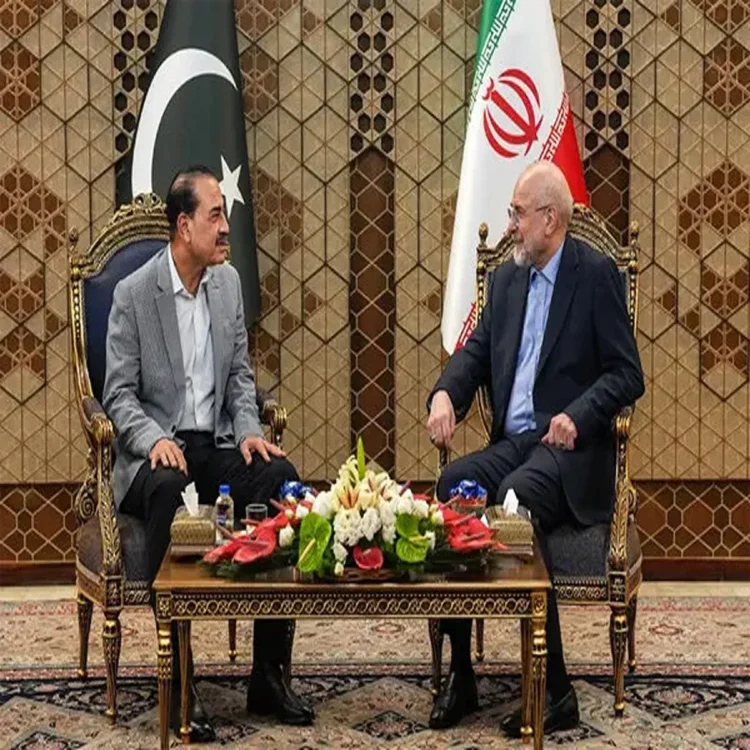
Recent reports have indicated that Iran and the United States have exchanged multiple proposals through mediation efforts led by Pakistan. The discussions are believed to focus on conditions that could support a peaceful resolution and potentially lead to a formal memorandum of understanding.
However, uncertainty emerged earlier this week when Iran’s semi-official Tasnim News Agency reported that Tehran had suspended indirect communications with Washington. The reported move was described as a reaction to recent Israeli actions in Lebanon.
Shortly afterward, US President Donald Trump dismissed those claims, stating that discussions between the United States and Iran were continuing and progressing rapidly.
Military Escalation Raises Regional Concerns
Meanwhile, tensions intensified further on Wednesday when Iran’s Islamic Revolutionary Guard Corps (IRGC) announced missile and drone operations targeting US military installations in Kuwait and Bahrain.
The IRGC said the attacks were carried out in response to a US strike conducted overnight against an Iranian communications facility located on Qeshm Island in southern Iran. The developments have added another layer of uncertainty to an already fragile regional security environment, with international observers closely monitoring the situation.