
Diplomacy – Global Leaders Welcome US-Iran Accord Aimed at Regional Stability
Diplomacy – A major diplomatic development involving the United States and Iran has received widespread international support, with leaders from several major economies and senior American lawmakers describing the newly signed memorandum as a significant step toward reducing tensions in the Middle East.
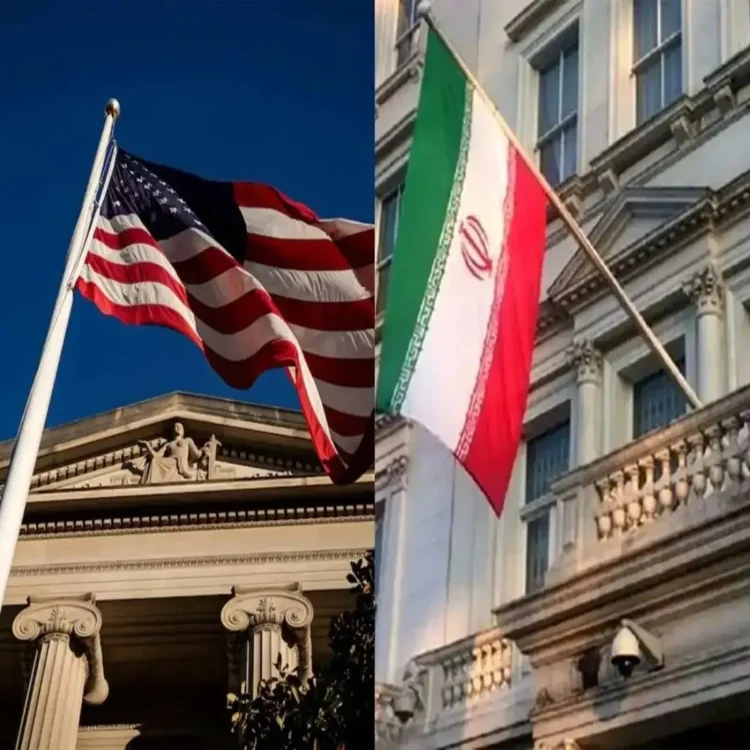
The agreement, announced by the White House, was secured through negotiations involving the administration of US President Donald Trump and Vice President JD Vance. According to US officials, the memorandum establishes commitments designed to ensure that Iran does not acquire nuclear weapons, while also creating a framework for future diplomatic engagement between the two countries. The accord is also expected to support the reopening of the Strait of Hormuz, a vital global shipping route.
G7 Nations Express Support
Leaders of the Group of Seven welcomed the agreement, calling it an important opportunity to improve security conditions across the region. In a joint statement, the bloc said the memorandum offers a path toward preventing Iran from obtaining nuclear weapons while also addressing concerns linked to its regional activities and ballistic missile capabilities.
The G7 leaders further indicated their willingness to support efforts aimed at implementing the provisions outlined in the agreement.
European Leaders Highlight Economic and Security Benefits
British Prime Minister Keir Starmer described the development as a meaningful advance toward ending hostilities and strengthening regional stability. He also acknowledged the role played by mediating countries, including Pakistan and Qatar, in helping facilitate discussions.
European Commission President Ursula von der Leyen emphasized the broader implications of the accord, noting that progress on Iran’s nuclear issue could contribute to stability in energy markets. She said the agreement demonstrates how diplomatic engagement can produce tangible outcomes for both regional and global interests.
French President Emmanuel Macron also welcomed the breakthrough, stating that it creates conditions that could support a more durable peace in the region. German Chancellor Friedrich Merz similarly pointed to the potential benefits for both Middle Eastern stability and the international economy.
Regional and International Organizations Respond
Qatar’s Ministry of Foreign Affairs praised the memorandum, saying it reflects a shared commitment to resolving disputes through dialogue rather than confrontation. Officials noted that successful diplomacy can help foster both regional security and economic development.
Switzerland also welcomed the agreement, describing it as an important contribution to efforts aimed at reducing tensions across the region.
The United Nations expressed support for the development as well. A spokesperson for Secretary-General António Guterres said the agreement’s provisions, including a permanent ceasefire, the reopening of the Strait of Hormuz and a framework for future negotiations, represent a significant move toward a peaceful resolution of the conflict.
Japan Calls for Safe Maritime Navigation
Japanese Prime Minister Sanae Takaichi welcomed the halt in hostilities and stressed the importance of restoring safe and unrestricted navigation through the Strait of Hormuz as quickly as possible. She also expressed hope that upcoming negotiations would help deliver a lasting solution to concerns surrounding Iran’s nuclear programme.
Republican Lawmakers Back the Agreement
Within the United States, Republican lawmakers broadly endorsed the memorandum. Senate Republican Conference Chairman John Barrasso said the negotiations were conducted from a position of strength, while Senator Lindsey Graham described the agreement as an important step toward broader peace efforts in the region.
Senator Rand Paul also voiced support, emphasizing the importance of ending conflict through diplomatic means.
In the House of Representatives, lawmakers echoed similar sentiments. Representative Robert Aderholt said the agreement could help restore maritime trade through the Strait of Hormuz while reinforcing restrictions on Iran’s nuclear ambitions. Representative Andy Harris described the occasion as a positive moment with potential benefits extending beyond the region.