
Defense – Trump Voices Discontent Over NATO Support During Iran Conflict
Defense – Former US President Donald Trump has expressed strong dissatisfaction with NATO, claiming the alliance failed to support the United States during its conflict with Iran. His remarks reflect long-standing concerns he has raised about burden-sharing and the role of European allies in collective defense efforts.
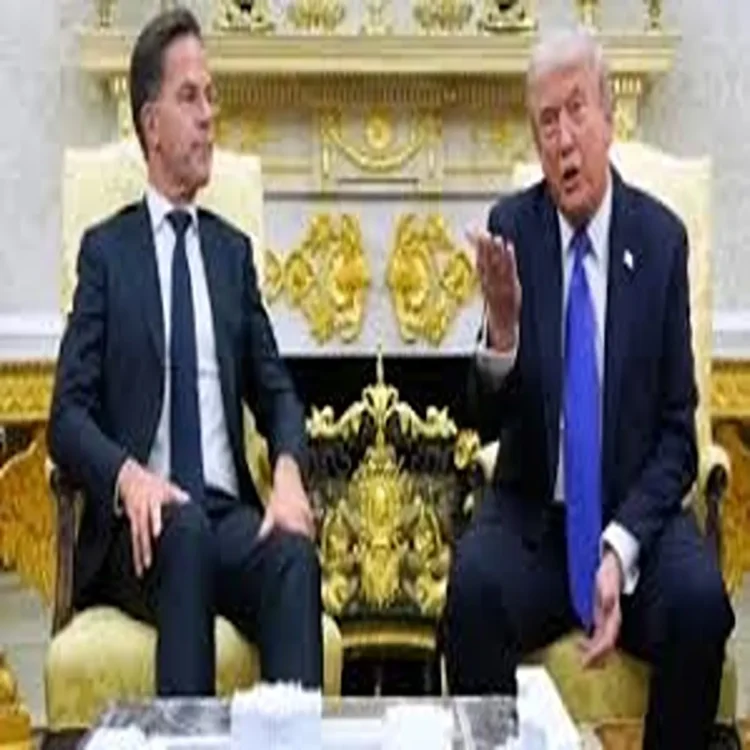
Criticism of NATO’s Role During Conflict
Speaking about the situation, Trump stated that NATO did not stand by the United States when it needed assistance. He emphasized that despite Washington’s significant financial contributions to the alliance, support from member nations was lacking during the confrontation with Iran.
According to Trump, the US has invested vast resources over the years to ensure Europe’s security, particularly in countering potential threats from Russia. He argued that this commitment has not been matched by equivalent support from NATO partners in times of crisis.
Longstanding Friction With European Allies
Trump’s critical stance toward NATO is not new. Even before his presidency, he frequently questioned the alliance’s effectiveness and repeatedly urged European nations to increase their defense spending. His administration often highlighted what it viewed as an imbalance, with the United States carrying a disproportionate share of the financial and military burden.
His comments also align with earlier positions where he warned that insufficient contributions from European countries could weaken the alliance. At times, he used strong language to describe NATO’s performance, reflecting deep frustration with what he perceived as a lack of commitment.
Broader Implications for Transatlantic Relations
The tensions highlighted by Trump have broader implications for relations between the United States and Europe. Analysts have described recent disagreements as a significant test of transatlantic unity, particularly during periods of geopolitical strain.
Differences over defense priorities, spending levels, and strategic responses have occasionally created friction within the alliance. While NATO remains a cornerstone of Western security, such disputes underline ongoing debates about its future direction and effectiveness.
Legal Limits on US Withdrawal
Despite his criticism, Trump’s ability to withdraw the United States from NATO is limited by law. Any formal exit would require approval from a two-thirds majority in the US Senate or legislative action by Congress. Given that NATO continues to receive bipartisan support among American lawmakers, such a move appears unlikely in the near term.
This legal framework ensures that any major decision affecting the alliance involves broader political consensus, rather than unilateral executive action.
Strategic Options Still Available
While a complete withdrawal may be difficult, the United States has other options to signal dissatisfaction. For instance, it is not automatically required to provide military assistance to allies under all circumstances. NATO’s collective defense clause allows for flexibility in how member nations respond to threats.
Additionally, the US maintains a significant military presence across Europe, with tens of thousands of troops stationed in various countries. Adjustments to troop deployments or military bases could serve as a strategic tool to influence alliance dynamics.
Reports suggest that Trump has considered relocating US military assets from countries he believes did not offer sufficient support during the Iran conflict. Such moves, if implemented, could reshape security arrangements across the region.
Ongoing Debate Over NATO’s Future
The situation has reignited discussions about NATO’s role in a rapidly changing global landscape. As security challenges evolve, questions about burden-sharing, strategic priorities, and alliance cohesion continue to surface.
For now, NATO remains intact and widely supported, but the concerns raised highlight the importance of continued dialogue among member states to address differences and strengthen cooperation.