
Defense – Indo-Pacific Naval Exercise Strengthens Multinational Maritime Cooperation
Defense – The United States, India, Japan, Australia, and New Zealand recently concluded a major joint naval exercise aimed at enhancing their ability to counter underwater threats. The 20-day operation, known as Exercise Sea Dragon 2026, wrapped up on March 28 at Andersen Air Force Base in Guam after an extensive schedule of coordinated training activities.
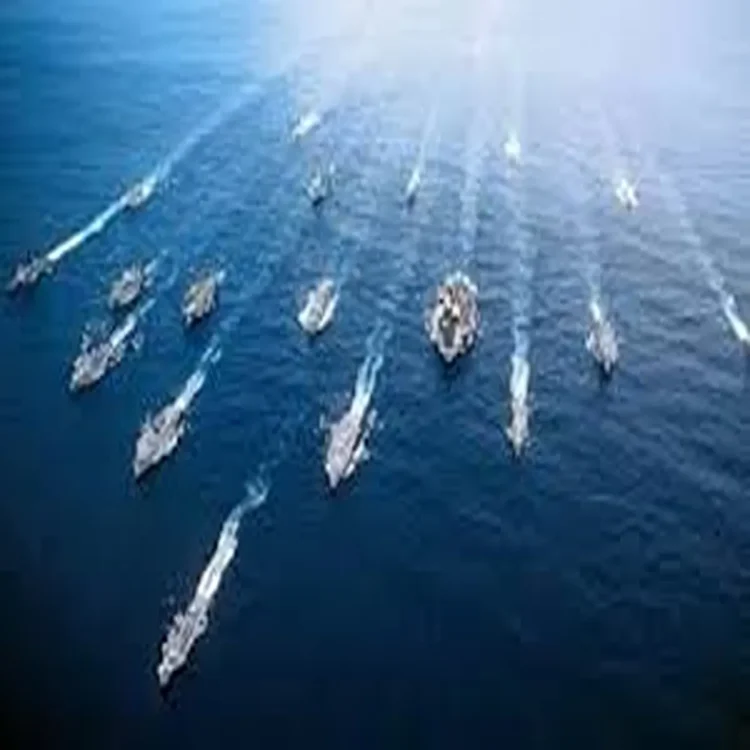
Focus on Undersea Warfare Capabilities
The exercise primarily concentrated on anti-submarine warfare, a critical aspect of modern naval operations. Participating forces worked together in a complex and simulated combat environment designed to reflect real-world maritime challenges. Aircraft from all five nations, including the US Navy’s P-8A Poseidon and similar surveillance platforms from partner countries, were deployed to carry out joint missions.
Officials stated that the goal was not only to sharpen tactical skills but also to improve coordination among allied forces. By operating together under shared conditions, participating crews gained valuable experience in detecting, tracking, and responding to underwater threats.
Advanced Training and Real-Time Scenarios
A key feature of this year’s exercise was the use of the MK-30, a mobile training target designed to simulate submarine movements. This allowed crews to practice tracking techniques in a controlled yet challenging setting. In addition, forces conducted live drills involving an active submarine, adding a realistic dimension to the training programme.
Operations were carried out near Saipan, where participating nations also deployed recoverable exercise torpedoes. This marked a step forward in demonstrating their growing operational capabilities and readiness to work together in demanding maritime conditions.
Competitive Element Encourages Excellence
While cooperation remained the central focus, the exercise also included a competitive component. Each participating country was evaluated based on performance in various mission scenarios. This approach encouraged precision and efficiency while maintaining high standards across all teams.
Japan’s Patrol and Reconnaissance Squadron 3 secured the Dragon Belt award this year, taking over the title from Australia, which had won the previous edition. The recognition reflects consistent performance and operational effectiveness during the drills.
Strengthening Regional Partnerships
Officials highlighted that exercises like Sea Dragon play an important role in reinforcing partnerships across the Indo-Pacific. By building familiarity and trust among participating forces, such initiatives contribute to a more coordinated response capability in times of need.
Military personnel involved in the exercise emphasized that the shared training experience helps develop stronger teamwork across national boundaries. This, in turn, improves the collective ability to respond to potential threats in the region.
India’s Growing Role in Multilateral Exercises
India’s participation reflects its increasing involvement in multinational defence collaborations. In recent years, the country has expanded its presence in joint naval exercises, aligning with broader efforts to enhance maritime security and protect vital trade routes.
The Indo-Pacific region remains a key area of global economic and strategic importance, with heavy reliance on secure sea lanes for international trade. As a result, countries are placing greater emphasis on strengthening surveillance and defence capabilities beneath the ocean surface.
Annual Exercise Gains Strategic Importance
Since its launch in 2019, Exercise Sea Dragon has developed into a significant platform for naval cooperation. Each edition builds upon previous experience, allowing participating nations to refine their strategies and improve interoperability in increasingly complex scenarios.
With growing focus on maritime security challenges, such joint efforts are expected to continue playing a crucial role in maintaining stability and ensuring preparedness across the Indo-Pacific region.