
Defence – Iran Signals Stronger Military Response Amid Ongoing Tensions
Defence – Iran has indicated that it may deploy previously unused military capabilities if hostilities with the United States and Israel continue, according to recent official statements. The warning comes at a time of heightened geopolitical strain following weeks of conflict and unsuccessful diplomatic efforts to ease tensions in the region.
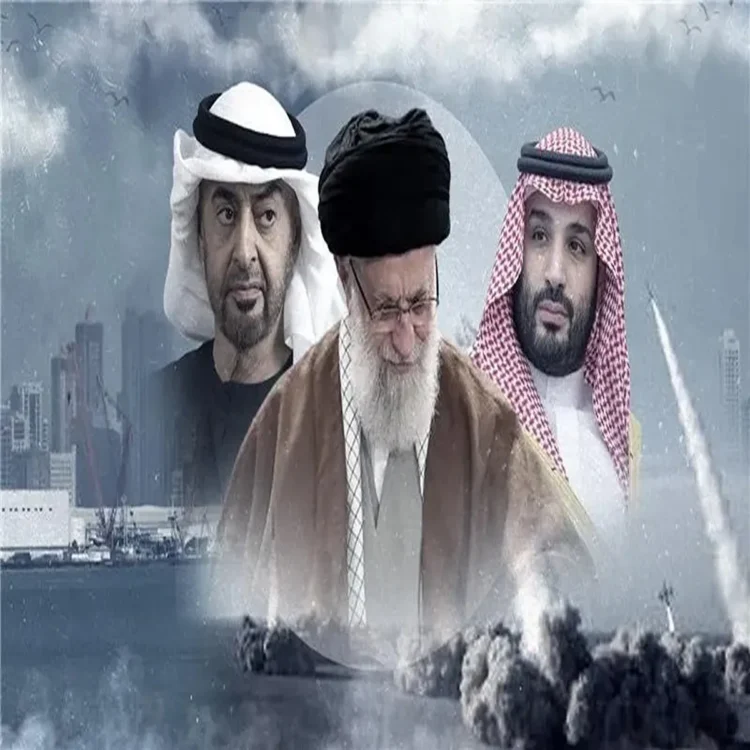
Iran Hints at Undisclosed Military Strength
A spokesperson for Iran’s Islamic Revolutionary Guard Corps (IRGC), Hossein Mohebbi, stated that the country has not yet utilized its full military strength. He suggested that, should the situation escalate further, Iran could reveal capabilities that adversaries are currently unaware of. His remarks underscore Tehran’s effort to signal deterrence while keeping strategic ambiguity intact.
These comments appear to be part of a broader messaging strategy aimed at reinforcing Iran’s readiness to respond to prolonged conflict. Analysts note that such statements often serve both domestic and international audiences by projecting strength without immediate escalation.
Defence Officials Emphasize Growing Arsenal
Iran’s Defence Ministry also highlighted the expansion of its military resources. Spokesperson Reza Talaeinik confirmed that the country has significantly enhanced its stockpile of missiles, drones, and other essential equipment. He emphasized that Iran possesses sufficient resources to sustain both offensive and defensive operations if necessary.
The statement reflects ongoing efforts by Iranian authorities to reassure citizens and signal preparedness amid uncertainty. It also points to continued investment in military infrastructure despite economic pressures and international sanctions.
Strait of Hormuz Tensions Draw Global Attention
Concerns have also intensified around the Strait of Hormuz, a critical maritime route for global energy supplies. Iran’s Foreign Ministry spokesperson, Esmaeil Baghaei, criticized the United States’ actions in the region, describing attempts to restrict access to the strait as harmful to the global economy.
The strategic importance of the waterway has made it a focal point in the ongoing dispute. Any disruption to shipping routes could have far-reaching consequences for international trade and energy markets.
Diplomatic Talks End Without Agreement
Over the weekend, delegations from Iran and the United States held extended discussions in Islamabad in an effort to reduce tensions. Despite lengthy negotiations, the talks concluded without a breakthrough.
The dialogue followed a recently announced ceasefire involving Iran, the United States, and Israel, which came after approximately 40 days of conflict. While the ceasefire temporarily reduced direct hostilities, the absence of a formal agreement has left the situation fragile.
US Military Actions and Warning Statements
Earlier this week, the United States military confirmed the initiation of a blockade targeting Iranian ports and coastal areas. Officials stated that only vessels traveling between non-Iranian ports would be permitted to pass through the Strait of Hormuz.
US President Donald Trump also issued a strong warning, indicating that any Iranian vessel approaching the blockade could face immediate military action. He further claimed that a significant portion of Iran’s naval fleet had already been destroyed, though smaller fast-attack vessels were not targeted due to their perceived limited threat.
Rising Uncertainty in the Region
The combination of military posturing, economic concerns, and stalled diplomacy has created an atmosphere of uncertainty across the Middle East. While all sides continue to assert their positions, the lack of a clear resolution raises questions about the potential for further escalation.
Observers suggest that the coming days will be crucial in determining whether tensions subside through renewed dialogue or intensify into a broader confrontation. For now, the situation remains closely watched by governments and markets worldwide