
China-US Relations – US States Strengthen Defenses as Concerns Over Chinese Influence Grow
China-US Relations – State security and foreign investment oversight continue to shape policy discussions across the United States.- State governments across the United States are taking a more active role in addressing national security concerns as lawmakers and policy experts warn that Chinese influence efforts are extending beyond Washington. Officials say local governments, universities, public infrastructure and state legislatures are becoming increasingly important in the broader strategic competition between the United States and China.
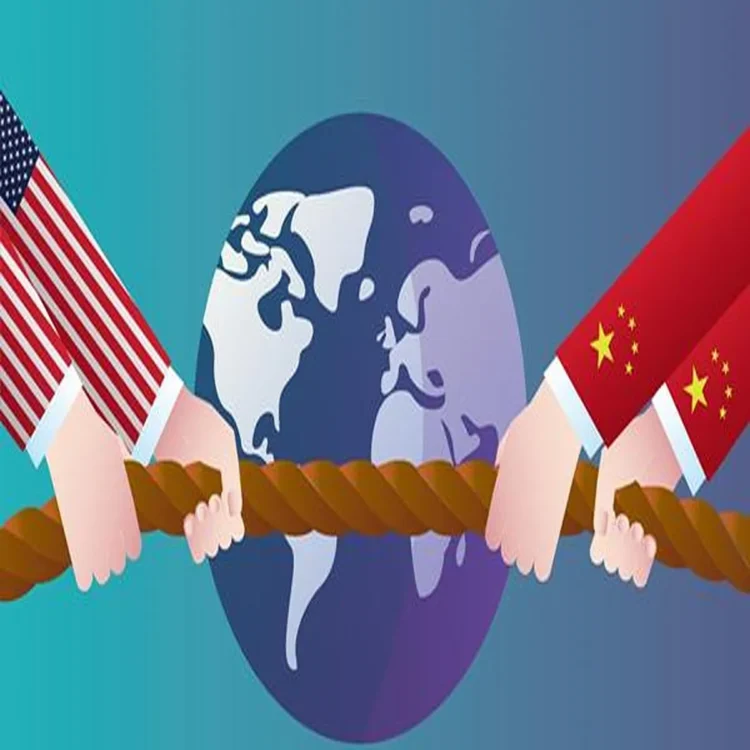
Congressional Hearing Highlights State-Level Challenges
The issue received significant attention during a recent hearing of the House Select Committee on the Chinese Communist Party. Witnesses told lawmakers that activities linked to Beijing are no longer viewed as a concern limited to federal agencies. Instead, they argued that state and local institutions have become attractive targets because they often operate with fewer security resources and less federal oversight.
Michael Lucci, founder and chief executive of State Armor, told the committee that state governments are now dealing with security challenges that were traditionally managed at the national level. He said the competition has expanded into local communities, requiring state leaders to play a greater role in protecting public interests.
Concerns Over Strategic Locations and Infrastructure
During his testimony, Lucci pointed to several examples that he said demonstrate growing security risks. Among them were reports of land purchases near US military installations and the placement of telecommunications equipment close to strategically important facilities.
According to Lucci, these developments have raised questions about the protection of critical infrastructure and the need for stronger oversight of foreign investments involving sensitive locations. He argued that state governments are becoming increasingly involved in reviewing such transactions alongside federal authorities.
Universities Face Increased Scrutiny
Higher education institutions also featured prominently during the hearing. Lucci described American universities as an area of growing concern, claiming that research partnerships involving federally funded projects require closer examination.
He said some collaborations have involved Chinese institutions connected to the country’s military and defense sectors, prompting calls for stricter safeguards to protect sensitive technologies and research data. Lawmakers discussed the importance of balancing international academic cooperation with national security considerations.
States Introduce New Protective Measures
Several states have already introduced policies aimed at reducing potential risks. Lucci highlighted Texas and Nebraska as examples of states that have adopted legislation focused on strengthening research security, protecting critical infrastructure and limiting certain foreign land ownership near military facilities.
Texas has also established a dedicated cyber command to improve the state’s ability to respond to cyber threats affecting public agencies, businesses and local communities. Supporters of these measures say they are intended to improve preparedness against a wide range of security challenges.
Lawmakers Raise Concerns About Pressure Campaigns
Lucci also told the committee that some state legislators promoting security-related legislation had experienced economic pressure and online intimidation from organizations or businesses allegedly linked to China. He argued that these actions went beyond traditional lobbying efforts and represented coordinated attempts to discourage policy changes.
Committee Chairman John Moolenaar echoed similar concerns, stating that China increasingly views state legislatures, municipal governments, universities and community organizations as easier targets because they generally receive less scrutiny than federal institutions.
Broader National Security Strategy Continues to Evolve
In recent years, both federal and state governments have expanded efforts to strengthen oversight of foreign investments, research partnerships involving advanced technologies and property transactions near sensitive military sites. Officials say these measures reflect a broader national security strategy as the United States continues to respond to evolving challenges in its relationship with China.