
Agriculture – Trump Highlights Farm Cost Relief and Export Growth Plans
Agriculture – American farmers could see improved business conditions in the coming months as the administration moves to reduce production expenses, strengthen export opportunities, and support rural economies.
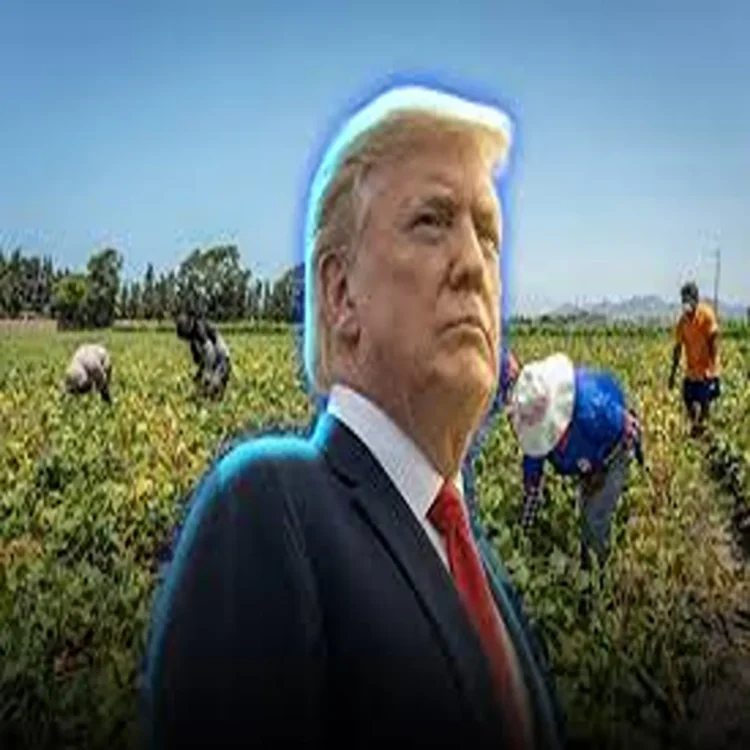
President Donald Trump outlined his administration’s plans during an agricultural roundtable held in Chippewa Falls, Wisconsin, where he emphasized efforts to lower fuel and fertilizer costs while expanding access to international markets. Addressing farmers and industry representatives, Trump said positive developments are expected within the next three months and expressed confidence that agricultural producers would benefit from ongoing policy measures.
Focus on Lower Production Costs
During the discussion, Trump pointed to declining energy prices as a key factor that could ease financial pressure on farmers. He said reduced costs for fuel, natural gas, and related inputs would help lower fertilizer expenses, an important concern for agricultural operations across the country.
The president also linked the outlook to broader international developments, including diplomatic efforts involving Iran, suggesting that global stability could contribute to more favorable energy markets. According to Trump, these changes are expected to improve profitability for farming businesses that have faced years of elevated operating expenses.
Administration Promotes Trade Expansion
Trump reaffirmed the administration’s commitment to supporting agriculture through trade initiatives, tax policies, and regulatory reforms. He told participants that expanding overseas demand for American farm products remains a top priority.
Agriculture Secretary Brooke Rollins said the administration inherited a significant agricultural trade deficit but has worked to improve market access for domestic producers. She noted that multiple new trade agreements have been secured since Trump returned to office, creating additional opportunities for US exports.
Rollins added that products such as dairy, corn, ethanol, and tree nuts are expected to achieve record export performance if current trends continue. Increased international demand, she said, is helping strengthen the position of American agriculture in global markets.
Farmers Seek Competitive Trade Environment
Several farmers participating in the event stressed that their primary objective is not government assistance but improved access to foreign markets. Wisconsin farmer Ken Custer said US producers are capable of competing successfully with growers around the world when trade conditions are fair and balanced.
Trump echoed those sentiments, recalling similar conversations with farmers during his first term in office. He said many agricultural producers have consistently requested equal opportunities in global commerce rather than relying on subsidies.
The discussion highlighted the importance of maintaining competitive export channels, particularly as international demand continues to influence farm revenues and long-term business planning.
Growth Reported in Key Export Markets
The president also pointed to recent gains in agricultural exports, especially in the dairy sector. According to administration figures, shipments have increased substantially in several overseas regions, including Japan, the Middle East, the European Union, South Asia, and Australia.
Officials argued that expanding trade relationships are helping American farmers reach new customers while reducing dependence on a limited number of export destinations. Stronger market diversification is viewed as an important strategy for protecting producers from fluctuations in global demand.
Policy Measures for Rural America
Beyond trade, Trump highlighted several agricultural policy proposals designed to benefit farming communities. These include support for year-round E15 fuel sales, improvements to crop insurance programs, tax measures aimed at farmers, and the removal of federal estate taxes affecting family-owned farms.
The president also called on lawmakers to move forward with a new farm bill, describing progress toward congressional approval as encouraging. He said the legislation would provide additional certainty for producers navigating economic challenges.
Agriculture remains one of the most important sectors of the US economy and a major contributor to exports. In recent years, farmers have dealt with rising borrowing costs, expensive fuel and fertilizer supplies, and uncertainty in commodity markets. As demand from Asia and other international regions grows, access to global trade opportunities continues to play a crucial role in the financial health of American agriculture.