
Health – Understanding Early Dehydration Signs and Prevention in Summer Heat
Health – Summer heat can quietly affect the body, often leading to dehydration before people fully realise what is happening. Even a single day under the sun, combined with inadequate water intake, can leave a person feeling weak and exhausted. Medical experts warn that dehydration is one of the most frequent yet underestimated health concerns during warmer months.
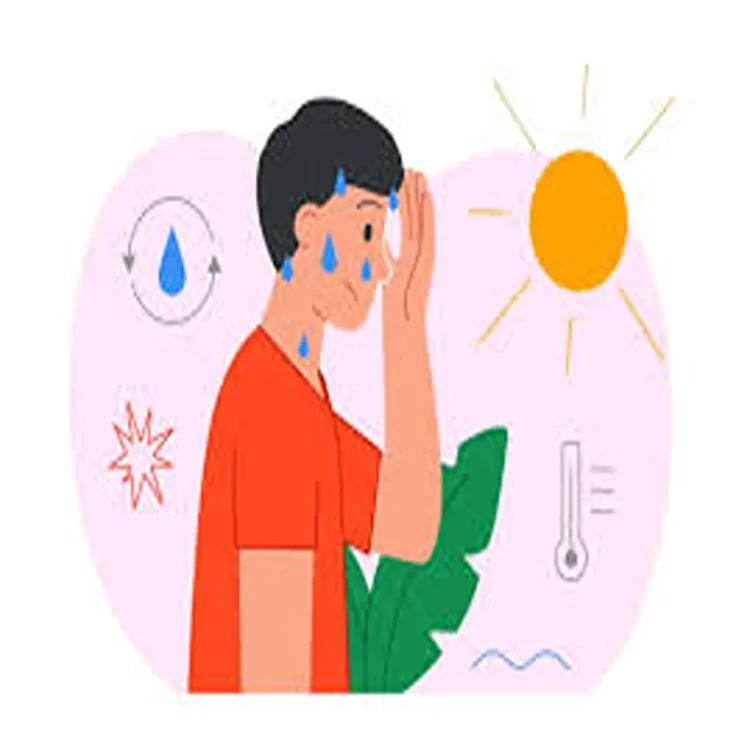
Why Dehydration Becomes Common in Hot Weather
As temperatures rise, the body naturally produces sweat to regulate its internal temperature. This process helps keep the body cool, but it also leads to a steady loss of fluids. When these lost fluids are not replaced in time, the body begins to struggle with essential functions such as maintaining temperature balance and supporting digestion.
Several everyday factors can increase the risk. Spending long hours outdoors, engaging in physical activity, or simply forgetting to drink enough water can quickly lead to fluid loss. Illnesses like vomiting or diarrhoea can make the situation worse. Additionally, beverages high in caffeine or sugar may contribute to dehydration rather than prevent it.
Recognising the Early Warning Signals
Dehydration usually develops gradually, making it easy to overlook in its early stages. The body often sends subtle signals before the condition becomes serious. Common signs include persistent thirst, dryness in the mouth, and darker-than-usual urine. A noticeable reduction in how often one urinates can also be an early indicator.
Other symptoms may include fatigue, dizziness, mild headaches, and muscle cramps. In some cases, individuals may experience dry skin, sunken eyes, or a faster heartbeat. These signs suggest that the body is under stress and needs immediate attention.
When the Situation Requires Attention
Ignoring early symptoms can lead to more serious health issues. If signs of dehydration persist or worsen, it is important to act quickly. Children, elderly individuals, and those with existing health conditions are especially vulnerable to complications.
Even mild dehydration can escalate if fluid loss continues unchecked. Prompt action, such as increasing fluid intake and resting in a cool environment, can help prevent the condition from becoming severe.
Practical Steps to Stay Hydrated
Maintaining proper hydration does not require complicated measures, but it does demand consistency. Drinking sufficient water throughout the day is essential. Health professionals generally recommend consuming around 2 to 3 litres daily, depending on activity levels and exposure to heat.
Simple homemade drinks made with water, a pinch of salt, and a small amount of sugar can help restore lost electrolytes. Including water-rich foods in daily meals is also beneficial. Items such as cucumber, watermelon, tomatoes, and leafy greens provide both hydration and essential nutrients.
Traditional beverages like lemon water, coconut water, and buttermilk are also effective in helping the body stay cool and replenished during hot days.
Habits That May Worsen Dehydration
Certain lifestyle choices can unintentionally increase the risk of dehydration. Frequent consumption of sugary drinks, excessive caffeine, and alcohol can lead to further fluid loss. Foods that are extremely salty or spicy may also contribute to dehydration if not balanced with adequate water intake.
Exposure to direct sunlight during peak afternoon hours without protection can intensify the problem. Wearing appropriate clothing and limiting time outdoors during extreme heat can reduce risk.
A Simple Yet Essential Health Priority
Dehydration often begins with mild discomfort, which is why it is commonly ignored. However, paying attention to the body’s early signals and making small adjustments in daily habits can prevent more serious health issues.
Staying hydrated during summer is not just about comfort—it is a basic necessity for maintaining overall health and well-being. Regular water intake, mindful eating habits, and awareness of early symptoms can make a significant difference.