
BridgetJones – Renee Zellweger Reflects on Role That Redefined Romantic Comedy Leads
BridgetJones – Renee Zellweger has shared fresh reflections on her experience portraying Bridget Jones, saying the role gave her a rare opportunity to represent a woman navigating life with honesty and without unrealistic expectations.
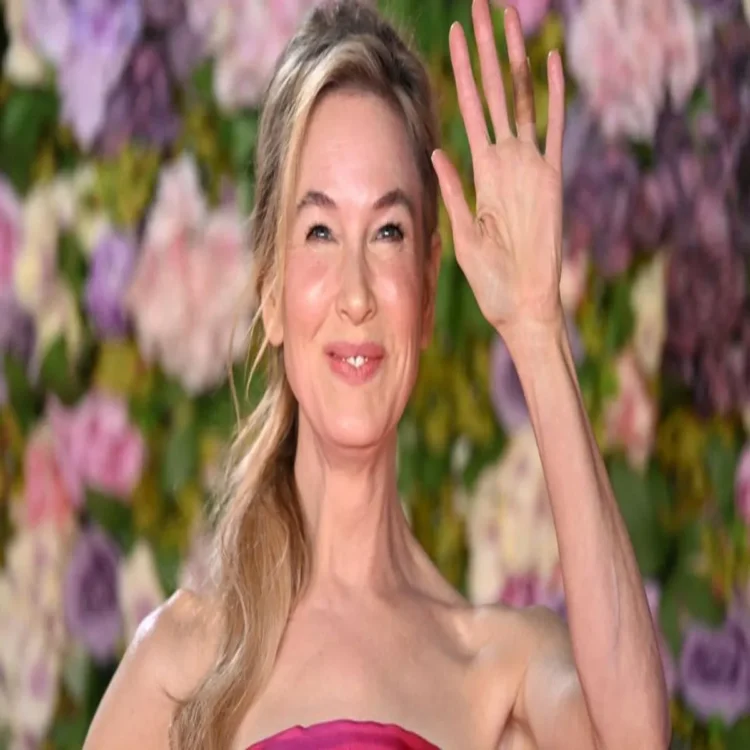
The Oscar-winning actress spoke during a special cast reunion held at the Tribeca Film Festival, where the team behind Bridget Jones’s Diary gathered to mark the romantic comedy’s 25th anniversary. Looking back on the franchise, Zellweger explained why she believes the character connected so strongly with audiences around the world.
A Character Audiences Could Relate To
According to Zellweger, Bridget stood apart from many traditional romantic comedy protagonists because she reflected the realities of everyday life rather than idealized standards often seen on screen.
She noted that romantic comedy leads have frequently been presented as highly polished characters who match the beauty trends of their era. Bridget Jones, however, offered something different. The character enjoyed food, appreciated life’s small pleasures, and did not constantly strive for physical perfection.
Zellweger said audiences saw a woman who looked and behaved like a real person. Despite her imperfections and insecurities, Bridget remained confident in her individuality and ultimately found happiness, a quality that resonated with viewers.
Challenging Traditional Beauty Standards
The actress also suggested that Bridget Jones helped challenge long-standing assumptions about what a leading woman in a major film should look like.
Rather than viewing the character as someone who needed improvement, Zellweger said she always saw Bridget as complete and relatable. In her view, the role encouraged audiences to reconsider conventional expectations surrounding female protagonists and beauty standards in mainstream cinema.
She explained that Bridget’s appeal came from her authenticity and willingness to embrace who she was, making her even more attractive as a character.
Freedom to Portray Real Emotions
One aspect of the role that Zellweger remembers most fondly was the freedom to appear imperfect on screen. She described the experience as liberating because it allowed her to portray emotions in a natural and realistic way.
Unlike many productions where appearances are carefully maintained throughout filming, Bridget Jones gave her the chance to cry without concern for smudged makeup, messy hair, or other imperfections. Zellweger said these details reflected genuine human experiences and helped make the character feel believable.
The actress recalled enjoying the fact that scenes did not require constant adjustments to maintain a flawless appearance. Instead, the focus remained on the character’s emotions and experiences.
Returning to a Beloved Role
Over the years, Zellweger has returned to the Bridget Jones franchise multiple times, and she said the character remains one of her favorites. Each return reminded her that the role was never about perfection but about portraying a woman dealing with life’s challenges in an honest way.
She added that this approach removed many of the pressures often associated with on-screen appearances and allowed her to focus entirely on the storytelling.
Ongoing Discussion Around the Franchise
Zellweger has previously spoken openly about gaining weight for the original 2001 film and its sequel, Bridget Jones: The Edge of Reason. However, she did not follow the same approach when filming Bridget Jones’s Baby in 2016.
The franchise has also faced criticism over the years regarding Bridget’s frequent focus on weight and calorie counting. Author Helen Fielding, who created the character, has previously explained that these details were inspired by personal diary entries from her university years.
Despite changing attitudes toward body image and representation, Bridget Jones remains one of the most recognizable characters in romantic comedy history, continuing to spark conversations about authenticity, self-acceptance, and the evolving portrayal of women in film.