
Wildlife – Uttarakhand Rescue Centres Face Mounting Pressure Amid Rising Human-Animal Conflict
Wildlife –Uttarakhand’s wildlife rescue facilities are struggling to accommodate leopards, tigers and other wild animals captured after attacks on people, creating a serious operational challenge for the Forest Department. Officials say all four major rescue centres in the state have either reached their approved capacity or are currently housing more animals than they were designed to manage. The overcrowding is making it increasingly difficult for authorities to safely relocate animals identified as dangerous or involved in attacks on residents.
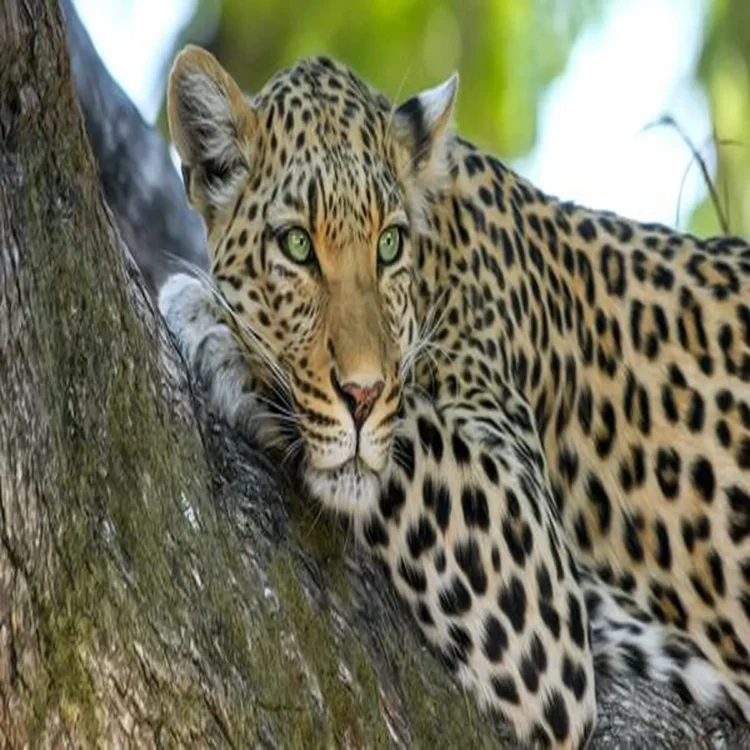
Rescue Facilities Operating Beyond Capacity
According to senior forest officials, the state’s four primary rescue centres are under significant strain. These facilities include the Chidiyapur Rescue Centre in Haridwar, the Ranibagh Rescue Centre in Nainital, the Dhela Rescue Centre within the Corbett Tiger Reserve and the mini zoo located in Almora. Each of these centres plays an important role in housing rescued wildlife, but available space has become increasingly limited as the number of captured animals continues to rise.
Additional Principal Chief Conservator of Forests Vivek Pandey stated that Chidiyapur, which was approved to accommodate 15 leopards, is currently caring for nearly 25 animals. Ranibagh is housing 15 leopards along with three tigers, while Dhela has 14 tigers and 16 leopards. The Almora mini zoo has also reached its maximum capacity with 10 leopards.
Conflict Intensifies Across Several Districts
The challenge is particularly severe in districts such as Pauri Garhwal, Tehri Garhwal, Uttarkashi, Chamoli, Rudraprayag, Almora, Bageshwar and Nainital, where frequent sightings of leopards have become a regular concern. Reports of attacks have affected everyday life in many villages, forcing residents to limit outdoor movement, especially after sunset.
People living in these areas say fear has become a part of daily life. Vipul Bharatwal, a resident of Dandi village in Tehri district, said leopard sightings occur regularly, leaving villagers constantly worried about their safety. Savita Devi from Gwaldam in Chamoli district also described growing concern among residents, saying wild animals are entering residential areas more often, leading to both anxiety and frustration within local communities.
Rising Number of Capture Orders
Forest Department records indicate that between January 1, 2025, and July 31, 2026, authorities issued capture orders for 106 wild animals considered dangerous. As requests for intervention continue to increase from villages affected by wildlife movement, officials acknowledge that the existing rescue infrastructure is no longer sufficient to meet the growing demand.
The shortage of available enclosures has also raised concerns about animal welfare. Recently, a leopard captured in Pauri died while inside a rescue cage, drawing attention to the risks associated with overcrowded facilities. Wildlife specialists believe that housing animals beyond approved limits can negatively affect their health, medical care and overall behavioural management.
Government Plans Additional Rescue Centres
Responding to the increasing pressure, Uttarakhand Forest Minister Subodh Uniyal said the government has begun planning to strengthen rescue infrastructure across the state. He said proposals have been prepared to establish rescue centres in 10 forest divisions located in different districts. Once these new facilities become operational, officials expect they will significantly ease the burden on the existing centres and improve wildlife management.
Experts Stress Long-Term Conservation Measures
Wildlife experts, however, believe expanding rescue facilities alone will not permanently solve the problem. Former deputy director and wildlife expert Ranganath Pandey said capturing or eliminating animals declared dangerous cannot serve as a lasting strategy. He noted that the growing leopard population and its increasing movement towards human settlements require a scientific and sustainable approach.
According to experts, reducing human-wildlife conflict will depend on habitat conservation, effective wildlife management, improved carrying capacity and long-term planning that balances the safety of local communities with the protection of wild animals.