
Road Safety – Andhra Pradesh Records Sharp Rise in Pedestrian Deaths Over Four Years
Road Safety –Andhra Pradesh has recorded a significant increase in pedestrian deaths over the past four years, highlighting growing concerns over road safety even as the state continues to expand its highway infrastructure. Official figures presented in Parliament show that fatalities involving pedestrians have risen steadily, suggesting that improvements in transport networks alone are not enough to protect vulnerable road users.
Parliament Data Highlights Rising Fatalities
Data shared by the Union Ministry of Road Transport and Highways (MoRTH) in the Lok Sabha revealed that pedestrian deaths in Andhra Pradesh increased from 579 in 2020 to 838 in 2024. The figures represent an increase of more than 40 percent during the period, raising questions about the effectiveness of existing pedestrian safety measures.
The same data also showed an upward trend in overall road accident fatalities across the state. Total deaths from road crashes rose from 7,039 in 2020 to 8,346 in 2024, reflecting an increase of over 18.5 percent. Annual figures climbed to 8,186 in 2021 and 8,293 in 2022 before dropping slightly to 8,137 in 2023. However, the numbers increased again in 2024, indicating that road safety challenges continue despite ongoing infrastructure development.
Andhra Pradesh Ranks Eighth in Road Crash Deaths
The statistics were submitted by the Ministry in response to a question raised in the Lok Sabha by Members of Parliament Manish Tewari and Sajda Ahmed.
Among all states, Uttar Pradesh reported the highest number of road accident fatalities with 24,118 deaths. Tamil Nadu followed with 18,449, while Maharashtra recorded 15,715 and Madhya Pradesh reported 14,791. Andhra Pradesh ranked eighth nationwide in total road crash fatalities.
Extensive Highway Network Yet Safety Concerns Persist
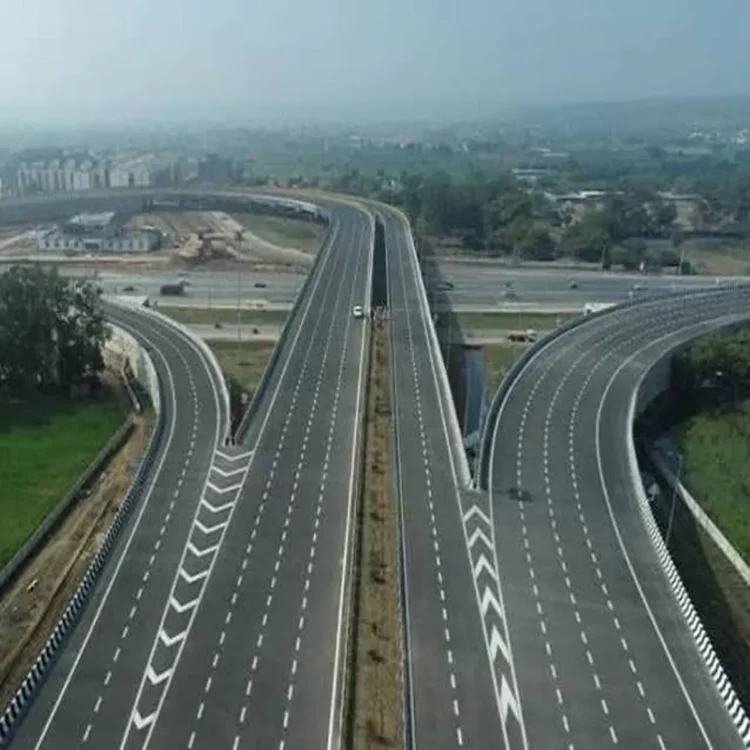
Despite its strong road infrastructure, Andhra Pradesh continues to face serious safety concerns. The state has the country’s fourth-largest National Highway network, covering approximately 8,704 kilometres. Only Maharashtra, Uttar Pradesh and Rajasthan have larger highway networks.
Transport experts point out that while wider and better highways improve travel and support economic growth, they can also encourage higher vehicle speeds. Without adequate pedestrian protection measures, such conditions may increase the likelihood of fatal accidents, particularly in expanding urban areas where traffic volumes continue to grow.
Experts Call for Stronger Safety Measures
Road safety specialists have repeatedly emphasized that reducing pedestrian deaths requires a combination of infrastructure improvements and stricter enforcement. They recommend better-designed footpaths, clearly marked zebra crossings, improved street lighting, traffic calming measures in populated areas and stronger action against speeding and reckless driving.
Public awareness campaigns are also considered essential to encourage safer behaviour among both motorists and pedestrians. Experts believe these efforts must be supported by regular monitoring and effective enforcement to achieve lasting improvements.
Government Guidelines on Pedestrian Infrastructure
The Ministry informed Parliament that state governments have specific responsibilities under Section 138 of the Motor Vehicles Act, 1988. These powers allow states to regulate pedestrian movement on public roads and National Highways, restrict vehicles from using footpaths and pavements, and introduce rules aimed at improving public safety.
For National Highways, pedestrian facilities are developed according to the Indian Roads Congress guideline IRC:103-2022. These standards recommend the construction of footpaths, pedestrian crossings, foot overbridges and underpasses wherever traffic studies and local conditions indicate a need.
Safety Audits Remain a Key Requirement
The Ministry also stated that road safety audits are conducted during the planning, construction and pre-opening stages of National Highway projects. Existing highways are also periodically assessed to identify hazards and recommend corrective measures.
In addition, Rule 166 of the Central Motor Vehicles Rules, 1989, requires that roads other than National Highways should be designed, constructed and maintained according to Indian Roads Congress standards or guidelines issued by respective state governments. Authorities believe consistent implementation of these standards will play an important role in reducing road accidents and improving pedestrian safety across the country.