
AI Infrastructure – Trump Pushes Tech Firms to Fund Power Expansion Costs
AI Infrastructure – President Donald Trump said technology companies investing in artificial intelligence should finance the power infrastructure needed for their expanding operations, arguing that the approach would help prevent higher electricity costs for American households while supporting long-term economic growth.
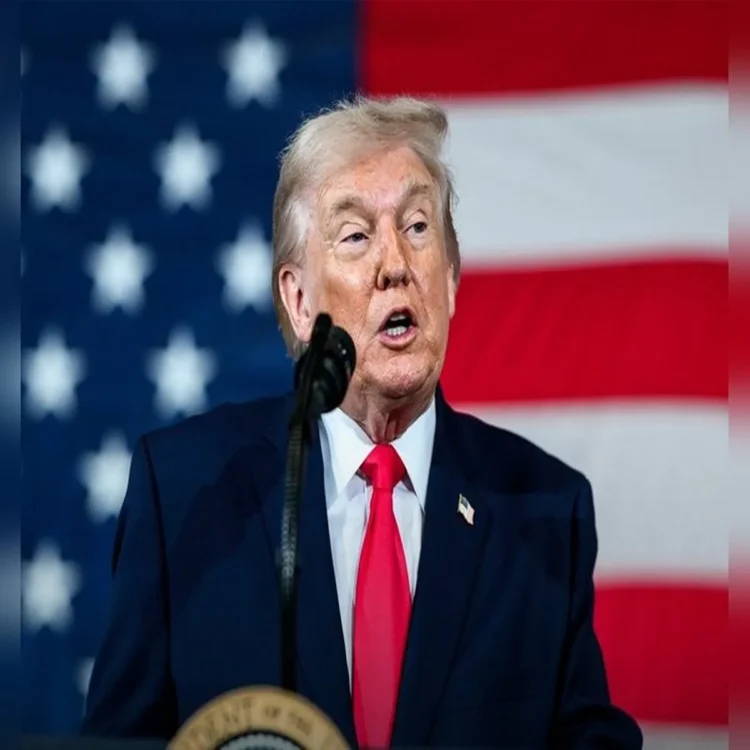
Artificial intelligence has become one of the fastest-growing industries in the United States, bringing a sharp rise in electricity demand as companies build larger and more advanced data centres. Speaking during an event focused on his administration’s Ratepayer Protection Pledge, Trump said the financial responsibility for meeting that growing demand should remain with technology companies rather than electricity consumers.
Tech Companies Asked to Cover Energy Costs
Trump said his administration is encouraging AI developers and major technology firms to pay for the energy infrastructure required to support their projects. According to him, this model ensures that households are not burdened with higher utility bills as electricity consumption from AI facilities continues to increase.
He added that companies are willing to invest in their own energy systems because it provides greater operational stability while reducing pressure on the country’s existing electricity grid. The administration also supports allowing new AI campuses to build dedicated power plants alongside their facilities, which could contribute surplus electricity back to the grid when available.
Expanding Power Generation for Future AI Demand
Highlighting the scale of future energy needs, Trump said artificial intelligence could require electricity production to increase dramatically over the coming years. He suggested that current generating capacity may need to be doubled, or potentially expanded even further, to accommodate the industry’s long-term growth.
The proposal is part of the administration’s broader Ratepayer Protection Plan, which calls on major technology companies to finance or construct the infrastructure necessary to meet their own energy requirements instead of relying solely on public utilities.
Broad Industry Support Claimed
According to Trump, the initiative has received backing from more than 220 organizations, including utility providers, technology companies, state governments and other partners. He said the agreement is designed to stabilize electricity prices while ensuring sufficient investment in power infrastructure as demand rises.
The President also claimed that the plan is helping keep electricity rates under control across a significant share of the nation’s power distribution network, describing it as a strategy that benefits both consumers and the technology sector.
Economic Benefits for Local Communities
Trump argued that large-scale AI investments would extend beyond technology development by creating employment opportunities, increasing tax revenues and supporting local economies. He pointed to several projects that, according to the administration, have produced financial benefits for communities hosting major data centres.
As an example, he said Georgia Power has maintained frozen base electricity rates for residential customers through 2029. He also referred to Google’s investments in Georgia, saying they have generated substantial local economic benefits, while agreements linked to data-centre developments in Iowa have supported multi-year electricity rate stability for consumers.
Louisiana Project Highlighted
Trump also cited a Meta-backed development in Louisiana, describing it as a major investment expected to reduce electricity costs for residents while contributing significant economic gains to the region. He said the project would also provide sizeable bonuses for public school teachers in Richland Parish, presenting it as an example of how technology investments can create broader community benefits.
According to Trump, regions that welcome AI infrastructure stand to attract billions of dollars in investment, while communities that reject such projects could lose economic opportunities to competing locations.
Maintaining America’s Competitive Position
The President said expanding electricity production is essential if the United States intends to remain a global leader in artificial intelligence and advanced technologies. He argued that sufficient energy capacity will be critical to supporting innovation, attracting investment and strengthening the country’s position in the rapidly evolving AI sector.
Trump concluded that the Ratepayer Protection Pledge is intended to balance industry growth with consumer interests by ensuring technology companies fund the infrastructure needed for their expansion while helping protect households from higher electricity costs.