
EducationReforms – ABVP Calls for Peaceful Dialogue Amid NEET Protest Controversy
EducationReforms –Student organisation Akhil Bharatiya Vidyarthi Parishad (ABVP) has urged authorities to resolve concerns surrounding the NEET examination through transparent discussions and institutional reforms while strongly condemning the violence reported during recent protests at Jantar Mantar. The organisation said students’ legitimate concerns deserve serious attention but stressed that demonstrations should remain peaceful and democratic.
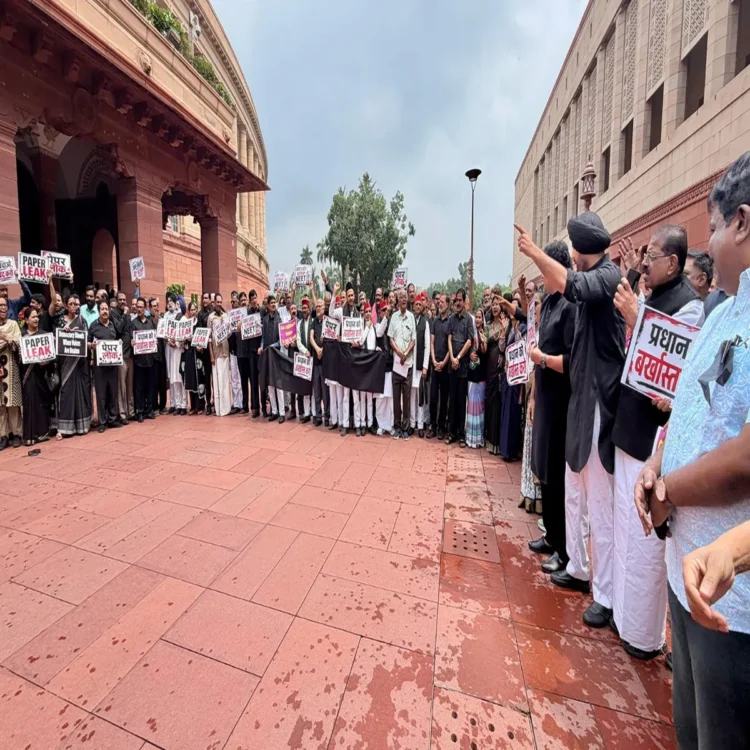
ABVP Condemns Violence During Demonstrations
In a statement issued on Wednesday, ABVP expressed concern over the clashes, public disorder and violence that occurred during protests linked to the alleged NEET paper leak and demands for reforms in the examination system. The student body extended its sympathies to students as well as security personnel who sustained injuries during the demonstrations. It maintained that while students have every right to raise genuine concerns, violence cannot become a means of expressing dissatisfaction.
Calls for Institutional Reforms
ABVP reiterated that it has consistently supported students demanding fairness in competitive examinations, including NEET-UG. According to the organisation, it was among the earliest groups to seek an investigation by a central agency into the alleged examination irregularities. It also recalled organising demonstrations outside the National Testing Agency (NTA) headquarters to demand accountability and strict action against those found responsible for any lapses.
The organisation stated that restoring public confidence in the examination process requires structural improvements rather than temporary measures. It argued that reforms should focus on strengthening transparency, accountability and the credibility of national-level entrance examinations.
Demand for a High-Level Review Committee
As part of its recommendations, ABVP urged the Government of India to establish a high-level committee to conduct a comprehensive review of the existing examination framework. The proposed panel, it said, should examine the integrity of competitive examinations, identify systemic weaknesses and recommend practical reforms to prevent future irregularities.
The organisation also suggested that the committee be given a clear timeline to submit concrete recommendations so that corrective measures can be implemented without unnecessary delays. According to ABVP, timely reforms would help rebuild trust among students and their families.
Warning Against Political Exploitation
ABVP maintained that issues affecting students should not be used to advance political interests or create instability. The organisation said the concerns raised by candidates and their families are genuine and should remain focused on securing a fair and transparent examination system rather than becoming part of political campaigns.
It added that public confidence can only be restored when authorities engage with stakeholders through open communication and meaningful reforms instead of allowing student concerns to become politically polarised.
Leadership Reiterates Student-Centric Approach
ABVP National General Secretary Virendra Singh Solanki said irregularities reported in several competitive examinations, including NEET-UG, have created widespread anxiety among students across the country. He stated that the organisation has supported students on these issues from the outset and believes their demands deserve careful consideration.
Solanki further said that diverting student concerns for narrow political objectives would undermine the interests of young people seeking a fair examination process. He emphasised that student participation should not be influenced by agendas that could affect national unity, social harmony or democratic values.
Appeal for Peaceful Resolution
Concluding its statement, ABVP appealed to students, parents, teachers, academicians and other stakeholders to contribute towards maintaining a peaceful environment while addressing concerns related to competitive examinations. The organisation encouraged constructive dialogue, democratic participation and cooperation among all parties to ensure that student grievances are resolved through institutional mechanisms rather than confrontation.