
Strait of Hormuz – IRGC Says Three Oil Tankers Were Prevented From Crossing
Strait of Hormuz –Iran’s Islamic Revolutionary Guard Corps (IRGC) announced on Thursday that it had blocked three oil tankers from passing through the Strait of Hormuz, claiming one of the vessels exploded and caught fire while attempting to use a route that had allegedly been mined. According to a statement carried by Iranian state media, the remaining two tankers reversed course immediately after the reported explosion.
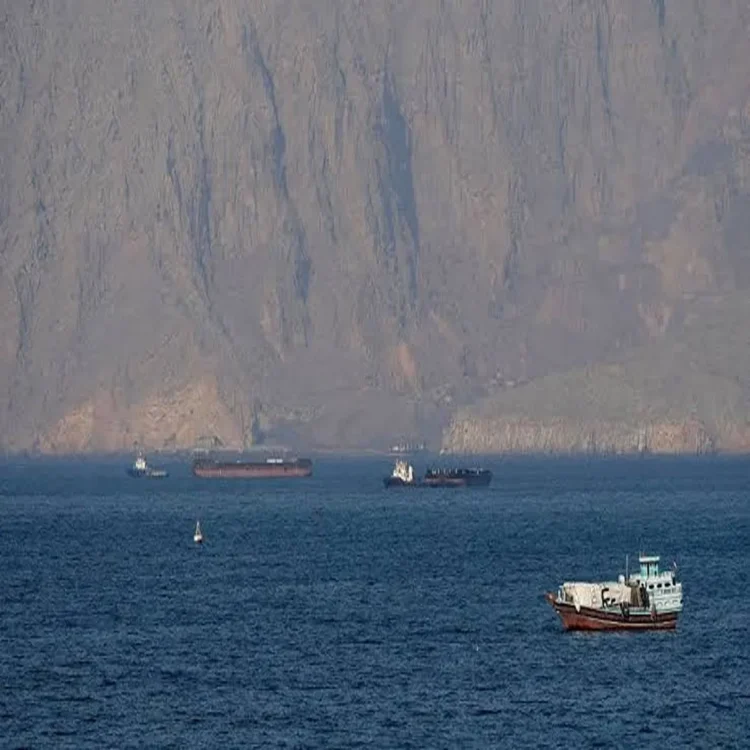
IRGC Claims Tankers Attempted Restricted Route
In its statement, the IRGC alleged that the three oil tankers had been encouraged by the United States to travel through a route south of the Strait of Hormuz despite what it described as the presence of naval mines. Iranian authorities claimed that after one tanker caught fire following an explosion, the other two ships abandoned their attempt and headed back.
The military force also issued a warning, saying that any vessel attempting to navigate the strategic waterway without Iran’s approval could face similar consequences. The statement accused the United States of encouraging commercial shipping to ignore Iran’s position in the region.
US Continues Military Operations Across Iran
The latest developments came after the United States carried out military strikes across Iran for the 12th consecutive night, according to Iranian reports. State media in Iran said missile attacks targeted areas near the western cities of Ahvaz, Ramshir and Andimeshk. Another reported strike hit a power facility located near the Bushehr nuclear power plant in southern Iran.
Iranian media also reported that two people were killed in Shalamcheh, a town situated near the Iraq border. Independent confirmation of the reported casualties and the extent of the damage was not immediately available.
Washington Says Strikes Aim to Protect Shipping
The US Central Command stated that the latest military operations were intended to weaken Iran’s ability to threaten commercial vessels and civilian shipping moving through regional waters. The Strait of Hormuz is regarded as one of the world’s most strategically important maritime routes, carrying a significant share of global oil exports.
The continued exchange of military action reflects the growing struggle between Tehran and Washington over security and freedom of navigation in the waterway, which remains critical to international energy markets.
Trump Issues Warning Over Attacks on Ships
US President Donald Trump issued a strong warning on Wednesday, saying the United States would respond directly if Iran targeted any vessel passing through the Strait of Hormuz.
In a post on Truth Social, Trump said that every attack on a ship carried out by Iran—whether involving missiles, rockets, drones or any other weapon—would trigger US strikes against selected Iranian infrastructure. He specifically mentioned bridges and power plants, including facilities located close to Tehran, as potential targets.
The statement underscored Washington’s determination to respond militarily if commercial shipping in the region comes under further attack.
Iran Vows Firm Response to Future Aggression
Iran also signaled that it would continue to respond forcefully to military action against its territory. Foreign Minister Seyed Abbas Araghchi wrote on X that the country would follow what he described as an “eye for an eye” defence doctrine.
He stated that any attack on Iran, including strikes targeting national infrastructure, would be met with a powerful and decisive response. His remarks highlighted Tehran’s position that future military action by its adversaries would invite retaliation.
As both countries exchange warnings and military operations continue, concerns are growing over the security of the Strait of Hormuz and the wider implications for regional stability and global energy supplies.