
Citizenship – Supreme Court Clarifies Electoral Roll Deletion Does Not End Citizenship Status
Citizenship – The Supreme Court has once again clarified that a person’s name being removed from the electoral rolls following the Special Intensive Revision (SIR) process does not automatically mean that the individual loses Indian citizenship. The court emphasized that citizenship can only be determined under the provisions of the Citizenship Act and not solely through decisions related to voter lists. The observation came during the hearing of a petition seeking improvements in the appeal mechanism for people affected by exclusions during the SIR exercise.
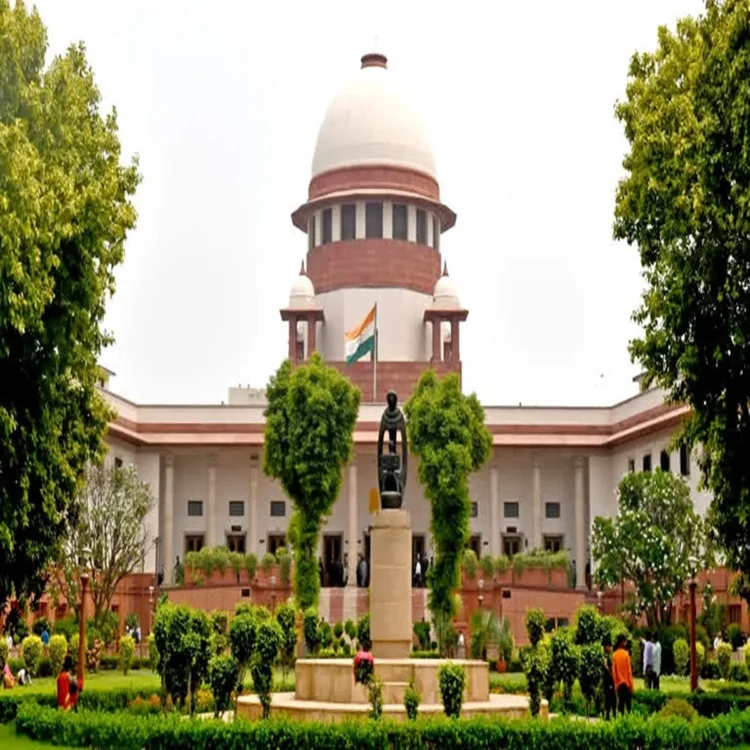
Court Reaffirms Limits of Election Commission’s Authority
A Bench comprising Chief Justice Surya Kant along with Justices Joymalya Bagchi and V. Mohana considered a petition filed by Prasenjit Bose, which calls for reforms to make the appellate process more efficient for individuals removed during the SIR exercise. During the hearing, Justice Bagchi recalled the court’s earlier judgment relating to the Bihar SIR exercise, stating that the Election Commission of India (ECI) has a responsibility to refer such matters to the concerned ministry for examination under the Citizenship Act whenever necessary. Until that legal process is completed, an individual’s citizenship status cannot be treated as lost.
Large Number of Appeals Still Await Decision
The court was informed that nearly 34 lakh appeals are still pending before 19 Appellate Tribunals. It was also brought to the Bench’s notice that two tribunal judges have resigned, adding to concerns over delays in disposing of cases. Representing the petitioner, Senior Advocate Gopal Sankaranarayanan said that only about 38,000 appeals have been decided so far. According to the figures presented before the court, around 70 percent of those decided appeals resulted in relief for the applicants, indicating that many exclusions may not have been justified.
Concerns Raised Over Denial of Welfare Benefits
During the proceedings, the petitioner’s counsel argued that delays in deciding appeals are having serious consequences for affected individuals in West Bengal. He submitted that several government benefits, including those available under the Public Distribution System (PDS), the Annapurna Yojana, and the issuance of caste certificates, are reportedly being denied to people whose names have been removed from the electoral rolls.
The senior advocate contended that although millions of appeals remain pending, many individuals continue to face practical hardships while waiting for their cases to be heard. He argued that unless the appellate process is completed within a reasonable timeframe, those affected may continue to be deprived of benefits that are otherwise available to eligible citizens.
Citizenship Cannot Be Decided Through Electoral Rolls
Justice Bagchi observed that the Election Commission’s constitutional role is limited to maintaining and revising electoral rolls. He stated that the Commission does not possess the authority to determine questions of citizenship under Articles 9, 10, 11, and 12 of the Constitution. While the Commission may decide whether a person’s name should appear on the voter list, such a decision does not automatically alter or cancel that person’s citizenship status.
The Bench reiterated that questions relating to citizenship must be examined through the legal framework established under the Citizenship Act. This distinction, the court noted, is essential to ensure that administrative decisions concerning electoral rolls do not result in unintended consequences affecting an individual’s legal status.
Matter to Be Heard Again
After considering the submissions made during the hearing, the Supreme Court decided to list the matter for further consideration. The petition will now be heard along with a group of related cases challenging the Special Intensive Revision exercise in West Bengal. The upcoming proceedings are expected to address both the functioning of the appellate mechanism and the legal safeguards available to individuals whose names have been excluded from electoral rolls.